 프린트 판매로 전환
 더 보기
더 보기







































 가로 또는 세로 중 어느 한 면이라도 105cm(약 41인치)를 초과하는 작품이나 복제화의 경우, 프레임은 분해된 키트 형태로 배송됩니다. 이는 안전한 배송을 보장하고 운송 중 발생할 수 있는 손상을 방지하기 위함입니다.


The Grand Entrance: Pedro Orrente’s “Entry into Jerusalem”
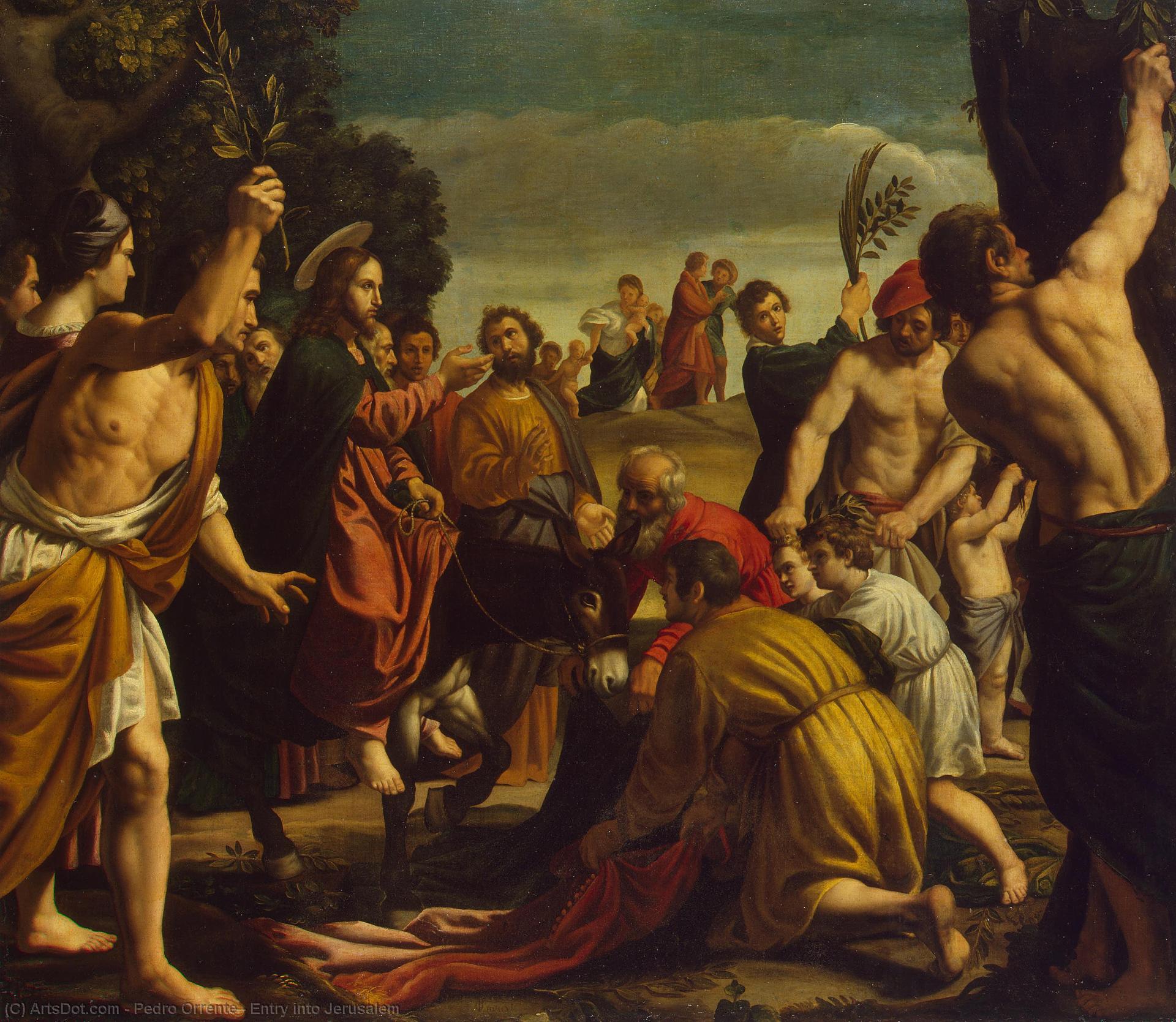
Pedro Orrente's "Entry into Jerusalem," painted around 1620, isn’t merely a depiction of a biblical event; it’s a carefully constructed tableau brimming with religious fervor and the nascent naturalism that would define his artistic legacy. This oil-on-panel work, now meticulously reproduced for OriginalUniqueArt.com, transports us to a pivotal moment – the arrival of Jesus in Jerusalem – rendered not as a distant theological abstraction but as a vibrant, deeply human scene. Measuring 112 x 127 cm, the painting commands attention with its rich palette and dynamic composition, immediately drawing the viewer into the heart of the event.
Orrente, a pivotal figure bridging the Baroque and Naturalism movements in Spanish art, was a master of capturing emotional intensity within a structured framework. Unlike some of his contemporaries who favored flamboyant theatricality, Orrente prioritized realism alongside dramatic elements – a deliberate choice that positioned him as one of Spain’s first artists to truly value accurate representation. The painting's power lies not just in its subject matter but in the artist’s ability to imbue it with palpable emotion and a sense of profound reverence.
A Composition Steeped in Symbolism
The scene unfolds with remarkable clarity, guiding our eye through a carefully orchestrated arrangement. At the center stands Jesus on a humble donkey, flanked by his disciples – a deliberate contrast to the triumphal imagery often associated with such events. The man holding the cross is not merely a prop; he represents sacrifice and suffering, anchoring the narrative in its core theological meaning. Notice the diverse crowd surrounding Jesus: some kneel in adoration, others stand in respectful awe, while still others are further back, suggesting a vastness of faith and devotion.
Beyond the figures themselves, subtle details contribute to the painting’s symbolic weight. The two birds soaring above – a detail often overlooked – represent hope and divine guidance, adding an element of serenity to the otherwise charged atmosphere. The use of light is particularly noteworthy; it illuminates Jesus and the central figures, drawing attention to their importance while casting a softer glow on the surrounding crowd, suggesting that faith extends beyond individual devotion.
Baroque Techniques & Valencian Roots
Orrente’s style reflects the influence of the Spanish Baroque, characterized by dramatic lighting, rich colors, and dynamic compositions. He skillfully employs *sfumato*, a technique borrowed from Italian masters, to create soft transitions between forms and volumes, lending a sense of depth and realism to the figures. The brushwork is visible yet controlled, contributing to the painting’s textured surface and conveying a feeling of immediacy. Born in Murcia and later residing in Valencia, Orrente's work demonstrates a strong connection to the Valencian artistic tradition, known for its vibrant colors and emotional intensity.
The meticulous detail evident in the rendering of clothing, facial expressions, and architectural elements speaks to Orrente’s dedication to his craft. Furthermore, the painting’s composition—a carefully balanced arrangement of figures and space—demonstrates a sophisticated understanding of perspective and spatial relationships. The reproduction offered by OriginalUniqueArt.com faithfully captures these nuances, allowing viewers to appreciate the full beauty and complexity of this remarkable work.
Bringing “Entry into Jerusalem” Home
OriginalUniqueArt.com’s hand-painted reproductions offer a unique opportunity to own a piece of art history. Each reproduction is created by skilled artists using traditional oil painting techniques, replicating the textures, brushstrokes, and luminous quality of Orrente's original masterpiece. Unlike mass-produced prints, our reproductions are true works of art, imbued with the same emotional resonance as the original. Whether you’re a seasoned collector or simply seeking to add a touch of timeless beauty to your home, “Entry into Jerusalem” is a compelling choice – a testament to Orrente's artistic vision and a powerful reminder of faith, hope, and devotion.
질의응답
Pedro Orrente은(는) 몇 세에 "Entry into Jerusalem"을(를) 제작했을까요?
Pedro Orrente은(는) 40세에 "Entry into Jerusalem"을(를) 제작했습니다. 작가는 1580년에 태어났으며, 이 작품의 제작 연도는 1620년입니다.
"Entry into Jerusalem"은(는) 작가의 국가에 소장되어 있나요?
아니요 - 해당 작품은 해외에 보관되어 있습니다. Pedro Orrente은(는) Spain에서 태어났으며, 원작 "Entry into Jerusalem"은(는) Russia에 있는 미술관에 소장되어 있습니다.
"Entry into Jerusalem"의 제작 기법과 크기는 어떻게 되나요?
Pedro Orrente의 "Entry into Jerusalem"의 기법은 Oil이며, 크기는 112 x 127 cm입니다.
이 작품에 대해 더 알아보기
 미리보기
미리보기
 공유하기
공유하기 공유하기
공유하기
 상세 정보
상세 정보 가이드 보기

 다운로드
다운로드
 유사 작품 더 보기
 X-레이
X-레이 슬라이드 쇼 보기
 질의응답
질의응답 통계 정보
통계 정보





