
 미리보기
미리보기
 공유하기
공유하기 공유하기
공유하기
 상세 정보
상세 정보

 다운로드
다운로드
 유사 작품
유사 작품 X-레이
X-레이 슬라이드 쇼
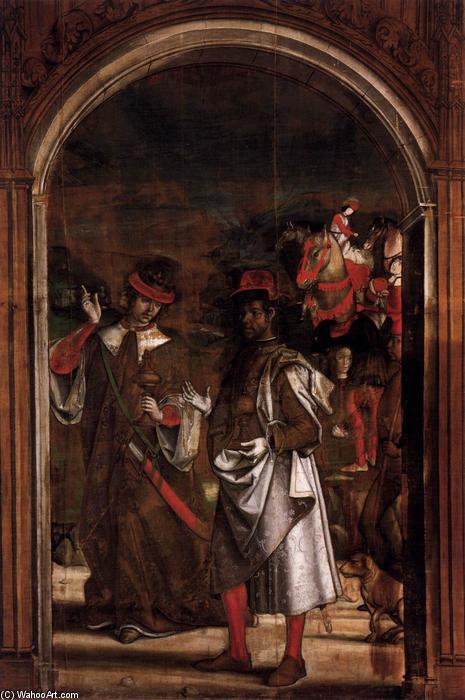
Two Wise Men
 Oil On Board
- WallArt
- Baroque
 350.0 x 206.0 cm
 프라도 미술관
 더 보기
더 보기
지클레 / 아트 프린트
빠른 제작과 다양한 마감 옵션을 제공하는 박물관 품질의 지클레이 또는 캔버스 프린트. ( 손으로 그린 그림 구매 이미지 구매)




P118B $10

P118H $10

P118W $10

P438Z $10

P508JH $12

P508YH $12

P805H $10

P805Z $10

P919BZ $10

P919G $10

P919XJ $10

P959ZH $10

P968JZ $12

W106C $8

W218G $10

W218JH $8

W218Y $10

W307PJ $10

W316G $10

W316PJ $8

W316Y $10

W398PJ $8

W4111J $10

W500HY $15

W500JH $15

W692G $12

W849H $8

W940BG $15

W953PJ $8




작품의 원본 비율을 유지하는 미리 설정된 크기 중에서 선택하세요.

특정 프레임이나 공간에 맞춰 직접 치수를 입력하실 수 있습니다. 선택하신 사이즈가 원본 이미지의 비율과 일치하지 않을 경우, 작품을 크롭(자르기)하거나 이미지를 대칭 또는 단색 채우기로 확장하여 제작합니다. 제작 시작 전, 최종 확인을 위해 디지털 목업이 전송됩니다.
화면상의 미리보기는 실제 크롭이나 확장 상태를 반영하지 않으므로, 최종 구도는 오직 목업을 통해서만 정확하게 확인하실 수 있습니다.
맞춤 사이즈 제작도 가능하지만, 원본 비율을 유지하기 위해서는 사전 정의된 목록에서 치수를 선택하시는 것을 권장합니다.


 유리 옵션은 110cm 미만 크기에서만 선택 가능합니다.

Two Wise Men
지클레 / 아트 프린트
복제본 크기
-


최종 결제 금액
$ 80
작품 상세 설명
A Masterpiece of Dramatic Depth: Unveiling Pedro Berruguete's "Two Wise Men"
Pedro Berruguete’s “Two Wise Men,” a monumental panel painting dating from the early 16th century, stands as a compelling testament to the evolving artistic landscape of Spain. More than simply a depiction of a biblical scene – the Adoration of the Magi – it's a carefully constructed meditation on faith, power, and the human condition, rendered with a dramatic intensity that echoes both the Gothic traditions Berruguete inherited and the burgeoning Renaissance ideals he embraced. The painting’s enduring appeal lies not just in its technical brilliance but also in its ability to evoke a profound sense of mystery and spiritual contemplation.
Born in Paredes de Nava around 1450, Berruguete emerged as a pivotal figure during a period of significant artistic transition. He skillfully blended the expressive fervor of Gothic painting – particularly its use of vibrant color and dynamic figures – with the burgeoning humanist principles and geometric precision characteristic of the Italian Renaissance. This synthesis is strikingly evident in “Two Wise Men,” where the artist masterfully employs linear perspective to create an illusion of depth, drawing the viewer into a richly detailed and emotionally charged scene. The painting’s origins are shrouded in some mystery, though it's believed Berruguete spent time studying with Justus van Gent in Urbino, Italy, absorbing the influence of Florentine masters like Botticelli and Perugino.
The Composition: A Dance of Light, Gesture, and Symbolism
At first glance, the painting presents a seemingly straightforward depiction of the Magi – figures from the Bible renowned for their wisdom and devotion – approaching the infant Jesus. However, Berruguete elevates this familiar narrative through his masterful manipulation of composition and gesture. The central focus rests upon two principal male figures: one, clad in opulent robes of pale gold and adorned with a pointed hat, exudes an aura of authority and importance; the other, dressed in simpler attire, holds aloft a white cloth – a potent symbol of offering or perhaps even sacrifice. These figures are not merely static representations but rather dynamic participants in a carefully choreographed scene.
The background is dominated by an arched doorway, receding into a dark and atmospheric space populated with partially visible figures, hinting at a larger procession or gathering. This architectural element serves to heighten the sense of depth and drama, drawing the viewer’s eye towards the foreground and emphasizing the central figures. The use of chiaroscuro – the dramatic interplay of light and shadow – is particularly noteworthy, creating a powerful contrast between illuminated areas and deep shadows that sculpts the forms of the figures and imbues the scene with an almost theatrical quality. The red robes worn by some of the figures add to the sense of importance and grandeur.
Technique and Materials: A Testament to Skill and Craftsmanship
“Two Wise Men” is executed in oil on panel, a technique that allowed Berruguete to achieve remarkable detail and luminosity. The artist’s meticulous brushwork reveals a deep understanding of color theory and texture – from the shimmering fabrics to the rough surfaces of the figures' clothing. The painting demonstrates a mastery of layering techniques, building up complex forms through multiple applications of paint. The use of tempera grassa, a type of oil-based paint favored by Berruguete, contributed to the richness and durability of the colors.
Furthermore, the panel itself—likely poplar wood—adds to the painting’s character, bearing the marks of time and handling. These subtle imperfections are not blemishes but rather evidence of the artwork's history and authenticity, reminding us that we are engaging with a tangible object created by a skilled artisan. The overall effect is one of both grandeur and intimacy, inviting viewers to contemplate the profound questions raised by the scene.
Emotional Resonance: A Window into Renaissance Spirituality
Beyond its technical merits, “Two Wise Men” possesses a powerful emotional resonance. The painting’s somber palette—dominated by browns, ochres, and blacks—creates an atmosphere of solemnity and contemplation. The figures' gestures – the outstretched hands, the averted gazes – convey a sense of reverence, humility, and perhaps even uncertainty. It is not merely a depiction of a biblical event but rather an exploration of faith, devotion, and the human search for meaning. The painting’s enduring appeal lies in its ability to evoke a profound sense of mystery and spiritual contemplation, inviting viewers to reflect on their own beliefs and values.
작가 약력
페드로 베르루게테: 고딕의 유산과 르네상스의 여명을 잇다
페드로 베르루게테(c. 1450 – 1504)는 스페인 미술사에서 매우 중추적인 인물로, 고딕 회화의 엄숙한 장엄함과 이탈리아 르네상스의 피어오르는 낙관주의 사이의 결정적인 전환점을 상징합니다. 카스티야의 파레데스 데 나바에서 태어난 그의 정확한 출생 연도는 여전히 베일에 싸여 있는데, 이는 당대 기록이 드물었던 예술가들에게서 흔히 나타나는 모호함 때문입니다. 귀족 가문에 뿌리를 둔 그의 혈통은 그에게 예술적 탐구를 위한 견고한 토대를 제공하였으며, 이는 결과적으로 스페인의 시각적 풍경을 재편하는 원동력이 되었습니다. 확정적인 전기적 세부 사항이 부족하다는 점은 미술사학자들에게 매우 안타까운 장애물이지만, 베르루게테의 작품 세계는 양식적 혁신에 대한 그의 깊은 이해와 거장다운 실행력을 여실히 보여줍니다. 그는 고딕 전통의 그림자 속에서 등장하여 그 표현적인 열정과 세밀한 묘사를 흡수하는 동시에, 브루넬레스키나 도나텔로 같은 피렌체 거장들이 주창했던 인문주의적 이상과 기하학적 정밀함을 수용했습니다. 이러한 이중성은 그의 회화에서 극명하게 드러나는데, 양식화된 인물들이 정교하게 묘사된 옷주름 및 건축적 요소들과 공존하는 모습은 바로 태동하던 르네상스 미학의 전형적인 특징이라 할 수 있습니다. 그의 예술적 여정은 종교적 격변기로 알려진 시기에 더욱 탄력을 받았습니다. 베르루게테의 가장 유명한 작품들은 초기 종교재판의 장면들을 묘사하며, 그 시대의 불안과 도덕적 딜레마를 가감 없는 사실주의로 포착해 냈습니다. 이와 동시에 그는 카스티야의 교회들을 위한 경이로운 레타블로(retablo) 패널들을 제작하며 자신의 기술적 기량과 심오한 영적 서사를 전달하는 능력을 증명했습니다. 이러한 수많은 의뢰 작업들은 당대 최고의 예술가로서 그의 명성을 공고히 했으며, 미술사의 정전(canon) 속에 그의 자리를 확립시켰습니다. 특히 1480년경 베르루게테가 이탈리아를 여행했다는 추측은 매우 흥거로운 대목입니다. 여러 증거에 따르면 그는 우르비노의 페데리코 3세 다 몬테펠트로 궁정에서 머물며, 로렌초 데 메디치의 후원으로 조성된 활기찬 예술적 환경에 몰입했던 것으로 보입니다. 당시 우르비노에서 활동했던 유스투스 반 겐트와의 작품 귀속 문제는 여전히 논쟁의 대상이지만, 이탈리아 르네상스 예술가들의 영향이 베르루테의 사고와 기법에 스며들었다는 점은 의심의 여지가 없습니다. 그는 1482년 스페인으로 돌아와 톨레도와 아빌라에 작업실을 세웠으며, 그곳에서 자신의 양식을 끊임없이 정교화하며 기념비적인 작품들을 남겼습니다. 무엇보다 중요한 점은 베르루게테가 르네상스 시대 스페인 최고의 조각가로 손꼽히는 알론소 베르루게테(c. 1475–1561)의 아버지라는 사실입니다. 이러한 가족적 연결 고리는 베르루게테의 역사적 가치를 더욱 높여줍니다. 아들의 조각적 성취는 곧 아버지의 예술적 유산에 대한 증거가 되었으며, 스페인 미술 내에서 강력한 전통을 구축하는 계기가 되었습니다. '페드로'와 '알론소'라는 이름의 구분은 구세대 거장이 젊은 재능을 양성하여 예술적 혁신을 추진했던, 당시 스페인에서 일어나던 광범위한 문화적 변화를 상징적으로 보여줍니다. 서명이나 포괄적인 기록의 부재로 인해 베르루게테의 작품들을 특정하는 일은 여전히 어려운 과제로 남아 있습니다. 그러나 양식 분석과 정황적 증거들은 그를 “다비드”, “에제키엘”, “솔로몬”을 포함한 수많은 걸작들과 설득력 있게 연결해 줍니다. 이 작품들은 고딕의 엄숙함과 르네상스의 역동성 사이의 정교한 균형, 표현력이 풍부한 옷주름, 기념비적인 규모, 그리고 세밀한 디테일에 대한 집착이라는 그만의 독특한 접근 방식을 잘 보여줍니다. 스페인 미술에 기여한 그의 공헌은 부정할 수 없습니다. 그는 유구한 과거를 존중하면서도 새로운 지평을 향해 나아가는 한 국가의 정신을 구현하며, 예술적 전환기의 찬란한 등불로 남아 있습니다.
페드로 베르루게테
1450 - 1504 , 스페인
주요 정보
- Artistic Movement Or Style: 고딕과 르네상스의 전환기
- Artists Or Movements Influenced By This Artist: ['']
- Artists Who Influenced This Artist: ['']
- Date Of Birth: c. 1450
- Date Of Death: 1504
- Full Name: 페드로 베르루게테
- Nationality: 스페인
- Notable Artworks:
- 다윗
- 에스겔
- 솔로몬
- Place Of Birth: 스페인, 파레데스 데 나바
관련 기사 더 보기

화려함 속에 감춰진 진실! 바로크 미술을 정의한 10대 걸작 탐구
화려함과 극적인 표현이 압권! 바로크 미술을 대표하는 10대 걸작의 숨겨진 이야기를 만나보세요. 베르니니, 루벤스 등 거장의 작품부터 바로크 색감, 예술적 기법까지 – OriginalUniqueArt.com에서 명품 복제 & 인테리어 영감을 얻으세요! 지금 바로 컬렉션을 탐험해보세요.

바로크의 드라마: 현대 인테리어에 풍요로움과 감동을 불어넣기
바로크 예술의 풍요로운 세계를 탐험하고, 현대 인테리어에 감동을 불어넣는 방법을 OriginalUniqueArt에서 만나보세요. 카라바조, 렘브란트 등 거장들의 작품과 키아로스쿠로 기법 활용 노하우를 공개합니다.

The Dramatic Flourish: Exploring the Baroque Movement's Enduring Legacy in Art History
Explore the dramatic world of Baroque art! Discover iconic artists like Caravaggio & Rubens, defining techniques, and its lasting impact on art history. Expert insights for collectors & enthusiasts at OriginalUniqueArt.

Baroque Classicism: The Grandeur of Order and Drama in 17th-Century Art History
Explore the profound elegance of Baroque Classicism. Discover how 17th-century masters synthesized dramatic emotion with classical order through the lens of the Counter-Reformation and the works of legends like Carlo Maratta and Andrea Sacchi.

The Visceral Stage: Exploring Dramatic Narratives & Emotional Intensity in Baroque Art
Explore the dramatic world of Baroque art! Discover iconic masters like Caravaggio & Rembrandt, their techniques, and the movement's lasting impact. Expert insights for collectors & enthusiasts at OriginalUniqueArt.

