프린트 판매로 전환
 상세 보기
상세 보기







































 가로 또는 세로 중 어느 한 면이라도 105cm(약 41인치)를 초과하는 작품이나 복제화의 경우, 프레임은 분해된 키트 형태로 배송됩니다. 이는 안전한 배송을 보장하고 운송 중 발생할 수 있는 손상을 방지하기 위함입니다.


Paul Signac's Sisteron: A Symphony of Light and Color
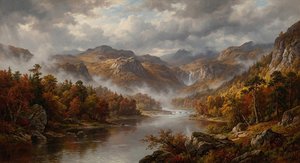
Paul Signac’s 1902 painting, *Sisteron*, is more than just a depiction of a Provençal landscape; it’s a vibrant manifesto of Post-Impressionism, a testament to the artist’s unwavering pursuit of scientific color theory, and an invitation to lose oneself in the shimmering beauty of light. The canvas unfolds with a remarkable serenity – a river gracefully carving its path through a valley embraced by towering mountains, culminating in a picturesque bridge that acts as a visual anchor for the viewer's eye. Scattered figures add a touch of human scale, subtly enhancing the sense of depth and inviting us to imagine ourselves part of this tranquil scene.
- Subject Matter: A quintessential landscape featuring a river valley, mountains, and a bridge – a common motif in plein air painting but rendered with extraordinary technical precision.
- Style: Firmly rooted in Post-Impressionism, Signac’s approach transcends mere representation; he seeks to capture the *impression* of light and color, prioritizing subjective experience over photographic accuracy.
The Pointillist Technique – A Scientific Approach to Beauty
Signac's genius lies in his masterful application of the Pointillist technique, a method he developed alongside Georges Seurat. Rather than blending colors on the palette or directly on the canvas, Signac meticulously applied tiny dots of pure color – predominantly blues, yellows, and greens – side by side. This seemingly simple technique creates an optical illusion; when viewed from a distance, the viewer’s eye blends these individual dots together, resulting in a luminous, vibrant effect that surpasses the limitations of traditional blending. The painting's surface is a textured mosaic, a deliberate demonstration of this scientific approach to color and light.
- Technique: Pointillism – the application of small, distinct dots of pure color to create an optical mixture.
- Color Palette: Dominated by blues, yellows, and greens, reflecting Signac’s interest in capturing the effects of sunlight on water and foliage.
Historical Context and Artistic Influence
*Sisteron* emerged during a period of profound artistic experimentation, building upon the foundations laid by Impressionism while pushing boundaries towards more expressive forms. Signac's work reflects the influence of Claude Monet’s exploration of light and color, as well as Camille Pissarro’s focus on capturing the essence of rural life. However, unlike his predecessors, Signac sought to ground his artistic practice in scientific principles, drawing inspiration from the theories of Eugène Chevreul regarding simultaneous contrast and optical mixing. This intellectual rigor elevated painting beyond mere aesthetics, transforming it into a rigorous investigation of perception.
- Influence: Heavily influenced by Impressionism and the burgeoning field of color theory.
- Movement: A key figure in Neo-Impressionism (Pointillism).
Symbolic Resonance and Emotional Impact
Beyond its technical brilliance, *Sisteron* possesses a profound emotional resonance. The scene evokes a sense of tranquility, peace, and connection with nature – qualities that were increasingly valued during the late 19th and early 20th centuries. The artist’s skillful handling of light and shadow creates a palpable atmosphere, inviting the viewer to step into this idyllic landscape and experience its beauty firsthand. It's a painting that speaks to our innate desire for serenity and reminds us of the restorative power of nature.
질의응답
폴 시냑의 "Sisteron"의 방문객들은 어디에서 오나요?
폴 시냑의 "Sisteron"의 통계 페이지에서는 해당 작품의 월간 방문 수, 작가의 가장 많이 조회된 작품과의 비교, 그리고 방문자 유입 경로 등 공개 방문 통계를 제공합니다.
"Sisteron"의 미리보기를 어디에서 볼 수 있나요?
폴 시냑의 "Sisteron"의 미리보기를 작품의 미리보기 페이지에서 확인하실 수 있습니다.
폴 시냑의 "Sisteron"이(가) 인테리어에 어떤 분위기를 더해주나요?
폴 시냑의 "Sisteron"의 Serene한 분위기는 추천 공간인 Living Room과 완벽하게 어우러집니다.
More about this painting
 실제 크기로 보기
 보내기
보내기 공유하기
공유하기
 상세 보기
상세 보기 가이드 보기

 이미지 다운로드
 유사 작품 더 보기
 X-레이
X-레이 슬라이드 쇼 보기
 Q&A
Q&A 통계 정보
통계 정보