

 실제 크기로 보기
 보내기
보내기 공유하기
공유하기
 상세 보기
상세 보기 가이드 보기

 이미지 다운로드
 유사 작품 더 보기
 X-레이
X-레이 슬라이드 쇼 보기
 통계 정보
통계 정보Celtic Tale
 Oil On Canvas
- WallArt
- Synthetist Painting
 1894
1894- 19th Century
 110.0 x 101.0 cm
 댈러스 미술관
 상세 보기
상세 보기
지클레 / 아트 프린트
빠른 제작과 다양한 마감 옵션을 선택할 수 있는 박물관 수준의 지클레이 및 캔버스 프린트. ( 수작업 채색 복제본 주문하기 디지털 이미지 판매 채널로 전환)




P118B ₩10

P118H ₩10

P118W ₩10

P438Z ₩10

P508JH ₩12

P508YH ₩12

P805H ₩10

P805Z ₩10

P919BZ ₩10

P919G ₩10

P919XJ ₩10

P959ZH ₩10

P968JZ ₩12

W106C ₩8

W218G ₩10

W218JH ₩8

W218Y ₩10

W307PJ ₩10

W316G ₩10

W316PJ ₩8

W316Y ₩10

W398PJ ₩8

W4111J ₩10

W500HY ₩15

W500JH ₩15

W692G ₩12

W849H ₩8

W940BG ₩15

W953PJ ₩8




작품의 원본 비율을 그대로 유지하는 프리셋 사이즈 중에서 선택해 보세요.

액자나 벽면 크기에 맞춰 필요한 가로와 세로 길이를 입력해 주세요. 프린트는 원본 이미지보다 크게 제작할 수 없으며 오직 자르는 것만 가능하므로, 비율이 다른 사이즈를 선택할 경우 이미지의 일부가 잘려 나갈 수 있습니다. 인쇄 작업에 들어가기 전, 최종 확인을 위해 디지털 목업을 보내드립니다. 이 페이지에 표시된 이미지는 실제 잘리는 영역을 나타내지 않으며, 오직 목업을 통해서만 정확한 확인이 가능합니다.


 유리 옵션은 110cm 미만 크기에서만 선택 가능합니다.

Celtic Tale
지클레 / 아트 프린트
복제본 규격
-


총 결제 금액
₩ 109488
Paul Sérusier’s “Celtic Tale”: A Window into Synthetist Vision
Paul Sérusier's "Celtic Tale," painted in 1894, isn’t merely a depiction of a forest scene; it’s a profound exploration of light, color, and the nascent principles of abstract art. This oil on canvas, now residing within the Dallas Museum of Art, offers a captivating glimpse into the artist's innovative approach to capturing the essence of nature – a style he would later define as Synthetism. Born in Paris in 1864, Sérusier’s artistic journey was marked by a restless pursuit of new forms of expression, culminating in his groundbreaking work with the Nabis movement and his pioneering experiments with Cloisonnism.
The painting immediately draws the eye with its vibrant palette. Bold swathes of emerald green, sapphire blue, and ochre yellow dominate the composition, creating a sense of luminous intensity. These colors aren’t applied realistically; instead, Sérusier employs them in a flattened, almost geometric manner – a hallmark of Synthetism. He deliberately rejects traditional perspective, opting for simplified forms and strong contours that delineate shapes rather than mimicking their three-dimensional appearance. This technique, reminiscent of the decorative art of cloisonné enamelwork (hence “Cloisonnism”), creates an arresting visual effect, pulling the viewer into the heart of the scene.
The Spirit of Pont-Aven: Synthetism and its Roots
Sérusier’s artistic evolution was profoundly shaped by his summer sojourn in 1888 to Pont-Aven, a small village in Brittany. There, he encountered Paul Gauguin, who became a mentor and introduced him to the principles of Synthetism. Gauguin encouraged Sérusier to abandon academic realism and instead focus on capturing the *feeling* of a subject – its essence rather than its literal representation. This shift is powerfully evident in "Celtic Tale," where the forest itself becomes a symbolic entity, imbued with an almost mystical quality.
The painting’s composition echoes the work of Seurat and Signac, key figures in Pointillism and Neo-Impressionism, both movements that influenced Sérusier's development. However, unlike their meticulous application of tiny dots of color, Sérusier utilizes broader brushstrokes and bolder blocks of pigment to achieve a similar effect – creating an impression of light and atmosphere through the manipulation of color itself. The figures within the scene are deliberately simplified, almost dissolving into the surrounding landscape, further emphasizing the painting’s abstract qualities.
Symbolism Within the Scene: Nature, Community, and Mystery
Beyond its formal innovations, “Celtic Tale” is rich in symbolic meaning. The gathering of individuals amidst the forest evokes a sense of community and shared experience – a celebration of life and connection with nature. The two dogs present add to this feeling of warmth and conviviality. However, there’s also an underlying current of mystery and perhaps even melancholy. The cloaked figures, their faces obscured, suggest a ritualistic gathering, hinting at ancient Celtic traditions and the enduring power of myth.
The dappled sunlight filtering through the trees creates a sense of ethereal beauty, while the dark, rocky outcrop in the background provides a stark contrast, representing both obstacles and hidden depths. The painting’s overall mood is one of serene contemplation – an invitation to lose oneself in the beauty of the natural world and reflect on its timeless mysteries. It's a testament to Sérusier's ability to translate complex emotions and ideas into a visually arresting and deeply resonant work of art.
A Legacy of Innovation: Paul Sérusier’s Enduring Influence
Paul Sérusier’s “Celtic Tale” stands as a pivotal work in the history of modern art. It represents a crucial step towards abstraction, demonstrating the power of color and form to convey emotion and meaning independently of representational accuracy. His pioneering use of Synthetism paved the way for subsequent movements such as Fauvism and Cubism, solidifying his place as one of the most important figures in the development of 20th-century art. Reproductions of this captivating painting continue to inspire artists and collectors alike, offering a window into the visionary world of Paul Sérusier.
질의응답
폴 세뤼지에의 "Celtic Tale"의 특징적인 기법과 화풍은 무엇인가요?
"Celtic Tale"은(는) Oil On Canvas 기법을 사용하여 Synthetist Painting 양식으로 제작되었습니다.
"Celtic Tale"에 사용된 기법은 무엇이며, 제작 시기는 언제인가요?
"Celtic Tale"은(는) 1894년에 Oil On Canvas 기법으로 제작되었습니다. 재료와 제작 연도는 원작이 어떤 방식으로 언제 만들어졌는지를 설명합니다.
폴 세뤼지에의 "Celtic Tale"은(는) Synthetist Painting 내에서 어떤 분위기를 자아내나요?
"Celtic Tale"의 Reflective한 감정은 그 Synthetist Painting 양식과 함께 어우러집니다.
작가 소개
프랑스 미술의 선구자, 폴 세뤼지에
1864년 11월 9일 파리에서 태어난 루이-폴-앙리 세뤼지에는 프랑스 미술계에 깊은 발자취를 남긴 화가입니다. 그의 예술 여정은 아카데미 줄리안에서의 학업을 통해 시작되었고, 곧 그는 전위적인 나비파 운동과 추상 미술의 개척자로 자리매김하게 됩니다. 세뤼지에는 단순한 그림 기법을 넘어선 새로운 시각적 언어를 탐구하며 현대 미술의 지평을 넓혔습니다. 그의 작품은 전통적인 회화 방식에서 벗어나 강렬하고 평면적인 형태, 대담한 색채 대비를 특징으로 하며, 이는 곧 ‘클루아조니슴’이라는 독특한 스타일로 발전하게 됩니다.퐁타벤에서의 만남과 클루아조니슴의 탄생
세뤼지에게 결정적인 전환점은 1888년 여름, 브르타뉴 지방의 작은 마을 퐁타벤으로 떠난 여행이었습니다. 이곳에서 그는 폴 고갱을 비롯한 예술가들의 모임에 참여하며 깊은 영감을 받습니다. 특히 고갱과의 만남은 세뤼지에의 예술적 사고방식에 지대한 영향을 미쳤으며, 그의 대표작 중 하나인 “탈리스만”을 탄생시키는 계기가 됩니다. “탈리스만”은 클루아조니슴 기법을 극적으로 보여주는 작품으로, 어두운 윤곽선으로 분리된 강렬한 색면들이 추상적인 이미지를 형성합니다. 이 작품은 세뤼지에의 혁신적인 스타일과 새로운 표현 방식에 대한 그의 열정을 드러냅니다. 퐁타벤에서의 경험은 세뤼지에에게 단순화된 형태와 상징적인 색채를 통해 내면의 감정과 정신적 세계를 표현하는 방법을 제시했습니다.나비파 그룹 활동과 예술적 영향
세뤼지에는 포스트 인상주의 화가로서, 피에르 보나르, 에두아르 부야르, 모리스 드니 등과 함께 ‘나비파’(Nabis) 그룹을 결성하여 활동했습니다. 나비파는 성경에서 유래한 이름으로, '예언자' 또는 '선지자'를 의미합니다. 이들은 전통적인 미술 규범에 도전하고 새로운 예술적 가치를 추구하며 현대 미술의 발전에 중요한 역할을 했습니다. 세뤼지에의 작품은 나비파 그룹 내에서도 독특한 위치를 차지하며, 그의 클루아조니슴 기법은 다른 화가들에게도 큰 영향을 미쳤습니다. 그는 단순화된 형태와 상징적인 색채를 통해 그림의 본질적인 요소에 집중하고, 관람객에게 깊은 사색과 감동을 선사하고자 했습니다.주요 작품과 예술적 유산
세뤼지에는 “탈리스만” 외에도 “역우(L'Averse)”, “폴 랑송의 초상화”, “멜랑콜리”, “뱀을 먹는 사람들” 등 수많은 걸작을 남겼습니다. “역우”는 강렬한 색채와 단순화된 형태를 통해 비 오는 날의 분위기를 효과적으로 표현하며, “폴 랑송의 초상화”는 인물의 내면 심리를 섬세하게 포착하여 깊은 감동을 선사합니다. 세뤼지에는 후기에는 아카데미 란송에서 가르치며 젊은 예술가들을 양성하는 데 힘썼으며, 1921년에는 “회화의 ABC”라는 책을 출판하여 자신의 예술 이론과 철학을 정리했습니다. 1927년 10월 7일 모를라에서 세상을 떠난 세뤼지에는 추상 미술의 선구자로서, 나비파 운동의 핵심 인물로서 현대 미술사에 길이 남는 중요한 화가로 평가받고 있습니다.세뤼지에 예술 세계의 핵심
- 예술 사조: 포스트 인상주의
- 영향을 준 예술가: 폴 고갱, 모리스 드니
- 출생일: 1864년 11월 9일
- 본명: 루이-폴-앙리 세뤼지에
- 국적: 프랑스
- 대표 작품: “탈리스만”, “역우”
- 출생지: 파리, 프랑스

폴 세뤼지에
1864 - 1927 , 프랑스
작가 정보 요약
- 국적: 프랑스
- 사망일: 1927년 10월 7일
- 영향을 받은 예술가/사조: ['나비파']
- 영향을 준 예술가:
- 폴 고갱
- 모리스 드니
- 예술 사조: 후기 인상주의
- 이름: 루이-폴-앙리 세뤼지에
- 주요 작품:
- 탈리스만
- 폭우
- 폴 랑송 초상
- 출생일: 1864년 11월 9일
- 출생지: 프랑스 파리
관련 기사
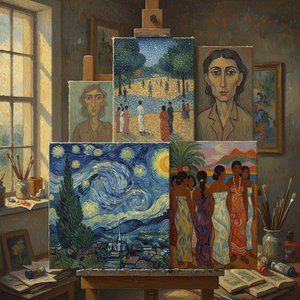
Beyond Impressionism: Exploring the Emotional Depth of Post-Impressionist Painting
Explore the profound emotional depth & innovative techniques of Post-Impressionism with OriginalUniqueArt. Discover Cézanne, Van Gogh, Gauguin & more – and their lasting impact on modern art.
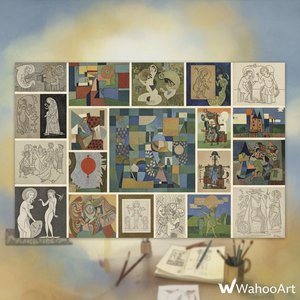
폴 클레 최고작 25선: 색채와 형식이 빚어낸 예술의 정수 | OriginalUniqueArt
폴 클레 최고작 25선을 만나보세요. 추상 미술의 거장 폴 클레의 색채와 감성이 담긴 명화들을 감상하고, 작품 속 숨겨진 이야기와 화풍을 탐구하세요. OriginalUniqueArt에서 고품질 아트 프린트와 인테리어 아이디어를 찾아보세요! 지금 바로 컬렉션을 둘러보세요.
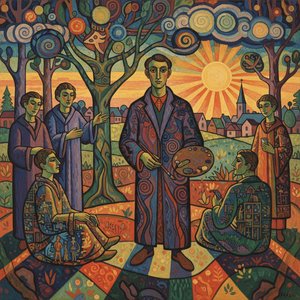
Paul Sérusier: Pioneering Synthetism & The Nabis’ Symbolic Revolution
Discover Paul Sérusier's pivotal role in the Nabis movement & the birth of Synthetism. Explore 'The Talisman,' his influence on modern art, and a deeper understanding of this symbolic revolution. Expert analysis & insights.

폴 세잔 명작 25선: 시대를 초월하는 예술과 공간의 미학 | OriginalUniqueArt
폴 세잔의 시대를 초월하는 명작 25점을 만나보세요. 인상주의를 넘어 후기 인상주의를 개척한 화가의 예술 세계와 정물화, 풍경화 속 숨겨진 이야기를 OriginalUniqueArt에서 감상하세요. 고품질 아트 프린트와 캔버스 액자로 공간에 예술을 더해보세요! 지금 바로 컬렉션을 탐험하세요.

Impressionism's Masterpieces: 10 Paintings That Defined a Movement | OriginalUniqueArt
Journey through Impressionism's heart with 10 iconic paintings by Monet, Renoir & Degas. Explore light, color & the stories behind these masterpieces. Find museum-quality art reproductions and elevate your home decor on OriginalUniqueArt.com.