

 미리보기
미리보기
 공유하기
공유하기 공유하기
공유하기
 상세 정보
상세 정보

 다운로드
다운로드
 유사 작품
유사 작품 X-레이
X-레이 슬라이드 쇼
Woman Knitting


 더 보기
더 보기
지클레 / 아트 프린트
빠른 제작과 다양한 마감 옵션을 제공하는 박물관 품질의 지클레이 또는 캔버스 프린트. ( 손으로 그린 그림 구매 이미지 구매)




P118B $10

P118H $10

P118W $10

P438Z $10

P508JH $12

P508YH $12

P805H $10

P805Z $10

P919BZ $10

P919G $10

P919XJ $10

P959ZH $10

P968JZ $12

W106C $8

W218G $10

W218JH $8

W218Y $10

W307PJ $10

W316G $10

W316PJ $8

W316Y $10

W398PJ $8

W4111J $10

W500HY $15

W500JH $15

W692G $12

W849H $8

W940BG $15

W953PJ $8




작품의 원본 비율을 유지하는 미리 설정된 크기 중에서 선택하세요.

특정 프레임이나 공간에 맞춰 직접 치수를 입력하실 수 있습니다. 선택하신 사이즈가 원본 이미지의 비율과 일치하지 않을 경우, 작품을 크롭(자르기)하거나 이미지를 대칭 또는 단색 채우기로 확장하여 제작합니다. 제작 시작 전, 최종 확인을 위해 디지털 목업이 전송됩니다.
화면상의 미리보기는 실제 크롭이나 확장 상태를 반영하지 않으므로, 최종 구도는 오직 목업을 통해서만 정확하게 확인하실 수 있습니다.
맞춤 사이즈 제작도 가능하지만, 원본 비율을 유지하기 위해서는 사전 정의된 목록에서 치수를 선택하시는 것을 권장합니다.


 유리 옵션은 110cm 미만 크기에서만 선택 가능합니다.

Woman Knitting
지클레 / 아트 프린트
복제본 크기
-


최종 결제 금액
$ 80
작품 상세 설명
Woman Knitting – A Fragment of Geometric Harmony
Paul Klee’s “Woman Knitting” stands as a deceptively simple yet profoundly resonant exploration of domesticity and abstraction, born from the crucible of 1915 Switzerland during the burgeoning Expressionist movement. This watercolor and charcoal drawing isn't merely a depiction of an everyday activity; it’s a carefully constructed visual puzzle designed to convey complex ideas about form, color, and emotional resonance—a hallmark of Klee’s distinctive artistic vision.- Composition & Perspective: The artwork prioritizes clarity over realism. A central figure – a woman seated at a table – dominates the frame, positioned in a three-quarter view facing right. Minimal perspective is employed; overlapping geometric shapes subtly suggest spatial relationships without adhering to traditional conventions. This deliberate flattening of space reinforces Klee’s rejection of representational illusionism and invites viewers to focus on the interplay of forms themselves.
- Color Palette & Texture: Dominated by shades of gray, black, and white, the color palette is strikingly restrained. However, subtle tonal variations create a sense of depth and texture—likely achieved through layering charcoal and watercolor—adding tactile qualities to the image. These muted hues contribute to an atmosphere of quiet contemplation and underscore Klee’s fascination with monochrome as a vehicle for conveying emotion.
- Geometric Forms & Stylistic Influences: Angular lines are paramount, defining the contours of the woman, table, and surrounding space. Triangular shapes—particularly prominent in the woman's torso—are interwoven with rectangles and trapezoids, reflecting Klee’s engagement with Cubist principles while simultaneously retaining elements of folk art aesthetics. This blending of influences speaks to his desire to synthesize disparate artistic traditions into a unified expressive language.
- Symbolism & Emotional Impact: The act of knitting itself carries symbolic weight—representing labor, caregiving, and the creation of something tangible from raw materials. Klee’s masterful simplification elevates this commonplace gesture into an emblem of human connection and resilience. The artwork's overall effect is one of serene contemplation, inviting viewers to consider themes of solitude, creativity, and the beauty found in understated forms.
Technique & Medium – Watercolor Meets Charcoal’s Grain
Klee’s technique exemplifies his commitment to spontaneity and gestural expression. Watercolor was skillfully applied with loose brushstrokes, allowing for subtle blending and tonal gradations—a characteristic approach that distinguishes it from more polished academic styles. Charcoal was incorporated to establish foundational contours and add textural richness, particularly evident in the woman's figure and the table surface. The grainy texture of the paper further enhances this tactile dimension, grounding the artwork in a physicality that contrasts with its abstract composition.Historical Context – Expressionism’s Quiet Revolution
“Woman Knitting” emerged during a pivotal moment in European art history—the rise of Expressionism—a movement characterized by an intense focus on subjective emotion and psychological insight. Rejecting Impressionistic objectivity, Expressionist artists sought to convey inner feelings through distorted forms and vibrant colors. Klee's work aligns with this broader artistic ethos while simultaneously forging his own unique path, demonstrating the power of abstraction to communicate profound emotional truths.Further Exploration – Zentrum Paul Klee & Beyond
To delve deeper into Paul Klee’s artistic legacy, we encourage visitors to explore Zentrum Paul Klee in Bern, Switzerland—the world's largest collection dedicated to his oeuvre. Alternatively, reproductions of “Woman Knitting” can be found at Kunstmuseum Bern and numerous online art galleries, offering a captivating glimpse into the enduring beauty and intellectual depth of this iconic artwork.작가 약력
폴 클레: 색채와 형태로 빚어낸 환상의 세계
폴 클레(Paul Klee, 1879-1940)는 스위스에서 태어나 독일에서 활동하며 20세기 미술사에 지대한 영향을 미친 예술가입니다. 표현주의, 입체주의, 초현실주의 등 다양한 사조의 영향을 받았지만, 그 누구에게도 온전히 귀속될 수 없는 독자적인 예술 세계를 구축했습니다. 음악가 아버지와 가수 어머니 사이에서 태어난 클레는 어린 시절부터 음악적 재능을 보였고, 바이올린 연주에도 능숙했습니다. 이러한 음악적 배경은 그의 작품에 깊이 스며들어, 색채의 조화와 리듬감 있는 구성이라는 독특한 시각적 언어를 탄생시키는 원동력이 되었습니다. 클레는 단순히 보이는 것을 재현하는 데 만족하지 않고, 내면의 감정과 상념을 추상적인 형태로 승화시키고자 끊임없이 탐구했습니다. 그의 작품은 어린아이 같은 순수함과 깊이 있는 사유가 공존하며, 보는 이로 하여금 잊고 지냈던 동심으로 돌아가듯 편안하고 즐거운 경험을 선사합니다.초기 실험과 북아프리카의 발견
클레는 뮌헨에서 미술 공부를 시작하며 다양한 기법과 스타일을 실험했습니다. 초기 작품들은 아르누보와 상징주의의 영향을 받았지만, 점차 자신만의 독특한 표현 방식을 모색하기 시작합니다. 특히 1914년 북아프리카 여행은 그의 예술 인생에 결정적인 전환점이 되었습니다. 튀니지의 강렬한 햇빛과 다채로운 색감은 클레에게 새로운 영감을 불어넣었고, 그는 더 이상 현실을 그대로 재현하는 대신 색채 자체를 통해 감정과 사상을 표현하기 시작했습니다. 이 시기 그의 작품들은 단순화된 형태와 절제된 색조를 특징으로 하며, 점차 추상적인 경향으로 나아갑니다. 북아프리카에서 얻은 경험은 클레에게 색채의 독립성을 깨닫게 해주었고, 이는 이후 그의 작품 전반에 걸쳐 나타나는 가장 중요한 특징이 됩니다.바우하우스 시대와 예술 이론
1920년 바우하우스(Bauhaus)학교에 부임한 클레는 혁신적인 교육 환경 속에서 자신의 예술적 역량을 더욱 발전시켰습니다. 바우하우스는 건축, 디자인, 미술 등 다양한 분야의 예술가들이 모여 실험하고 협력하는 공간이었으며, 클레는 이곳에서 색채와 형태의 조화, 그리고 예술과 기술의 융합에 대한 깊이 있는 연구를 진행했습니다. 그는 학생들에게 형식주의적 원리를 가르치면서 동시에 자유로운 상상력과 창의성을 강조했으며, 그의 강의는 현대 미술 교육에 큰 영향을 미쳤습니다. 클레는 또한 자신의 예술 이론을 집대성한 “형태와 디자인 이론”이라는 저술을 남겼는데, 이는 예술가뿐만 아니라 미술학 연구자들에게도 중요한 참고 자료로 활용되고 있습니다. 이 글에서 그는 음악과 유사한 방식으로 색채를 배열하고 조율하는 방법을 제시하며, 예술의 본질에 대한 깊이 있는 통찰력을 보여줍니다.후기 작품과 상징주의의 심화
1930년대 후반, 나치 정권의 탄압으로 인해 클레는 고국 스위스로 돌아오게 됩니다. 정치적 불안과 건강 악화 속에서도 그는 예술 활동을 멈추지 않았습니다. 후기 작품들은 이전보다 더욱 단순화된 형태와 어두운 색조를 사용하며, 삶의 고독과 불안감을 표현하고 있습니다. 그러나 이러한 어둠 속에서도 클레는 여전히 유머와 위트를 잃지 않으며, 독특한 상징주의적 세계를 구축합니다. 그의 후기 작품들은 마치 꿈속에서 본 듯한 환상적인 풍경을 연출하며, 보는 이로 하여금 깊은 사유에 잠기게 합니다. 눈, 얼굴, 동물 등 다양한 모티프는 클레의 작품 전반에 걸쳐 반복적으로 등장하며, 각자의 고유한 의미를 지니고 있습니다. 이러한 상징들은 단순한 장식적 요소가 아니라, 클레의 내면세계와 철학을 담아내는 중요한 매개체 역할을 합니다.영원한 유산과 현대 미술에 미친 영향
폴 클레는 1940년 스위스 Muralto에서 폐렴으로 세상을 떠났지만, 그의 예술은 시대를 초월하여 오늘날까지도 많은 사람들에게 영감을 주고 있습니다. 그는 추상미술의 선구자로서, 색채와 형태를 통해 인간의 감정과 사상을 표현하는 새로운 가능성을 제시했습니다. 그의 작품은 현대 미술에 지대한 영향을 미쳤으며, 특히 추상표현주의, 옵 아트 등 다양한 예술 사조의 발전에 기여했습니다. 클레의 유산은 단순한 회화 작품을 넘어 디자인, 건축, 음악 등 다양한 분야에도 영향을 미치고 있으며, 오늘날까지도 끊임없이 재해석되고 탐구되고 있습니다. 그의 작품들은 어린이와 어른 모두에게 즐거움을 선사하며, 예술이 지닌 무한한 가능성을 보여주는 증거입니다.미술관 및 추가 탐색
- 폴 클레 센터 (베른): 폴 클레의 작품을 가장 많이 소장하고 있는 곳으로, 그의 예술 여정을 총망라하는 전시를 관람할 수 있습니다.
- 베른 미술관: 피카소와 회들러 등 다른 현대 거장들의 작품과 함께 폴 클레의 중요한 작품들을 감상할 수 있습니다.
- 쿤스트무제움 베른: 스위스에서 가장 오래된 미술관으로, 폴 클레를 비롯한 다양한 현대 미술 작품을 소장하고 있습니다.

폴 클레
1879 - 1940 , 스위스
주요 정보
- 국적: 스위스-독일 국적
- 대표 작품:
- 하마메트
- 형제들
- En la corriente seis umbrales
- 사망일: 1940년 6월 29일
- 영향을 받은 예술 사조: ['현대 미술']
- 영향을 준 예술가: ['바실리 칸딘스키']
- 예술 사조: 표현주의, 입체주의, 초현실주의
- 전체 이름: 폴 클레
- 출생일: 1879년 12월 18일
- 출생지: 뮌헨부흐제, 스위스
관련 기사 더 보기

기하학적 추상 미술을 정의한 명작 10가지 | OriginalUniqueArt.com
몬드리안, 말레비치 등 거장들의 기하학적 추상 미술 명작 10선을 만나보세요. 각 작품의 예술사적 의미와 색채, 구성을 탐구하고 OriginalUniqueArt.com에서 고품질 아트 프린트를 소장하세요. 지금 바로 온라인 컬렉션을 확인하세요!

Neo-Abstract Art: The High-Impact Evolution of Modern Visual Energy and Geometric Sophistication
Discover the power of Neo-Abstract art. Explore how bold geometric forms and high-impact visual energy are redefining modern design. Learn to curate sophisticated, high-energy spaces with the latest trends in contemporary abstraction and structural color.

Beyond Form & Color: Geometric Abstraction's Evolution in 20th/21st Century Art
Explore the evolution of geometric abstraction from Cubism to contemporary art. Discover key artists like Malevich & Mondrian, investment insights, and expert collecting advice at OriginalUniqueArt.
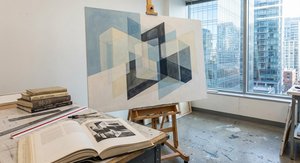
Beyond Form & Color: Geometric Abstraction's Enduring Legacy in Art History
Explore the captivating world of geometric abstraction! Discover its origins, key artists like Malevich & Mondrian, and why this movement remains highly valued by art collectors today. Expert insights at OriginalUniqueArt.

Kandinsky's Masterpieces: 25 Paintings That Define Abstract Art | OriginalUniqueArt
Journey through Wassily Kandinsky's 25 most iconic abstract paintings. Explore his revolutionary use of color, form & spiritual expressionism. Find museum-quality Kandinsky reproductions and elevate your home decor with OriginalUniqueArt.com. Discover all masterpieces on OriginalUniqueArt.com!



