유화 원작 구매
 Reconstructing에 관한 모든 것







































 가로 또는 세로 중 어느 한 면이라도 105cm(약 41인치)를 초과하는 작품이나 복제화의 경우, 프레임은 분해된 키트 형태로 배송됩니다. 이는 안전한 배송을 보장하고 운송 중 발생할 수 있는 손상을 방지하기 위함입니다.


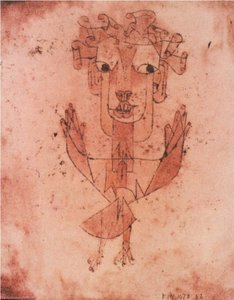
Reconstructing: A Journey into Paul Klee’s Figurative Expressionism
- Subject and Composition: Paul Klee's “Reconstructing” (1926) presents an intriguing, abstracted landscape or architectural scene. The composition eschews a traditional focal point, inviting the viewer to explore a network of geometric shapes and linear elements arranged across a warm-toned background. These forms suggest fragmented buildings, stairs, or windows, creating a sense of rebuilding or recalling memories.
- Style and Technique: This artwork is a prime example of Figurative Expressionism, a movement that emerged as a reaction against the more conceptual art trends of the time. Klee masterfully employs watercolor or a similar translucent medium, layering colors to create depth and texture. The rough handling of materials adds an emotional intensity characteristic of the style. His unique blend of expressionism, cubism, and surrealism is evident in the painting’s dreamlike quality.
The Rise of Figurative Expressionism
- Historical Context: Figurative Expressionism arose in the late 1970s, drawing inspiration from earlier German Expressionists like Emil Nolde and Ernst Ludwig Kirchner. It marked a return to recognizable objects – particularly the human form – portrayed with intense emotion. This movement was seen as a revival of self-expression in European art after periods dominated by American artistic trends.
- Neo-Expressionism & Beyond: The style evolved into various regional manifestations, including Transavanguardia in Italy and Neue Wilden in Germany. While initially celebrated for its return to figuration and emotional depth, Neo-Expressionism also faced criticism regarding its relationship with the art market and perceived lack of radical innovation.
- Klee’s Place within the Movement: Paul Klee's work stands out due to his intellectual approach and unique color theory. He wasn’t simply expressing raw emotion; he was exploring the underlying structures of form and design, as evidenced in his influential “Writings on Form and Design Theory.”
Symbolism and Emotional Impact
- Decoding the Forms: The shapes within "Reconstructing" are not merely abstract; they carry symbolic weight. The architectural fragments suggest a process of rebuilding, perhaps representing personal or collective memory. The circular forms may symbolize wholeness or cycles of renewal.
- Color and Mood: Klee’s use of warm colors – yellows, oranges, and reds – evokes feelings of warmth and nostalgia, while the muted tones create a sense of tranquility. The overall effect is one of gentle contemplation rather than dramatic upheaval.
- Experiencing the Artwork: “Reconstructing” invites viewers to engage with their own interpretations and emotions. It’s a work that rewards close observation and encourages reflection on themes of memory, loss, and renewal.
질의응답
Reconstructing은(는) 수작업으로 그린 작품인가요, 아니면 프린트된 작품인가요?
수작업 제작: 숙련된 화가가 Reconstructing을(를) 리넨 캔버스 위에 유화로 재현합니다.
Reconstructing의 사이즈는 어떤 것을 선택해야 하나요?
원작의 크기는 36 x 39 cm입니다. 사이즈는 30.8 x 32.4 cm (₩293940)부터 233.7 x 245.7 cm (₩3119254)까지 있으며, 이 페이지의 표에 주요 단계별 가격이 안내되어 있습니다.
배송은 얼마나 걸리나요?
배송은 전 세계 무료 특송으로 4~5주가 소요되며, 본 페이지에서 긴급 제작 옵션을 선택하실 수 있습니다. 제품은 조건 없이 100일 이내에 반품하여 전액 환불받으실 수 있습니다.
파울 클레 작가는 Reconstructing 작품에 어떤 재료를 사용했나요?
캔버스에 유채
 미리보기

 공유하기
 공유하기
 상세 정보
 학습용 요약본


 다운로드
 유사 작품 더 보기
 X-레이
 슬라이드 쇼 보기
 질의응답

 통계 정보