프린트 판매로 전환
 더 보기
더 보기







































 가로 또는 세로 중 어느 한 면이라도 105cm(약 41인치)를 초과하는 작품이나 복제화의 경우, 프레임은 분해된 키트 형태로 배송됩니다. 이는 안전한 배송을 보장하고 운송 중 발생할 수 있는 손상을 방지하기 위함입니다.


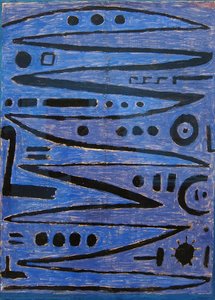
May Picture: A Fragmented Landscape of Color and Rhythm
Paul Klee’s “May Picture,” painted in 1925, stands as a testament to the artist's unwavering commitment to abstraction while simultaneously retaining an undeniable connection to the natural world. This striking oil painting on board—a piece housed within the Zentrum Paul Klee museum in Bern—captures a mesmerizing mosaic of interlocking squares and rectangles, predominantly rendered in hues ranging from vibrant reds and greens to serene blues and yellows. Measuring 42 x 50 cm, it’s more than just an aesthetically pleasing composition; it embodies Klee's profound exploration of color theory and his influential role at the Bauhaus school.- Style & Technique: Klee’s approach defies easy categorization, firmly rooted in Expressionism yet infused with Cubist influences. He meticulously crafted each square, employing a technique characterized by layering thin washes of pigment—a hallmark of his style—to achieve remarkable luminosity and textural depth. The subtle gradations within the colors contribute to an overall sense of movement and dynamism, mirroring the rhythms found in musical compositions, as Klee himself frequently noted.
- Historical Context: “May Picture” emerged from a pivotal moment in Klee’s artistic development—a journey to Tunisia in 1914 that profoundly impacted his creative vision. Inspired by the geometric patterns of Berber textiles and the stark beauty of the desert landscape, he began experimenting with fracturing the environment into squares, mirroring the principles of musical arrangement. This method wasn't merely stylistic; it represented a deliberate effort to distill complex visual information into its most fundamental elements.
- Symbolism & Composition: The seemingly random placement of the squares isn’t accidental. They function as “odd-shaped stones assembled to form a mosaic,” reflecting Klee’s fascination with geometric forms and their ability to convey emotional resonance. Each square possesses an inherent duality—representing both solidity and fragmentation—suggesting themes of containment and liberation simultaneously. The overlapping squares create visual interplay, inviting the viewer to contemplate the interconnectedness of disparate elements within a unified whole.
- Color Theory Influence: Klee’s meticulous consideration of color palettes speaks volumes about his intellectual engagement with art history and scientific inquiry. He meticulously studied Goethe's Color Theory, recognizing the transformative power of hue, saturation, and value in shaping artistic expression. This understanding is palpable in “May Picture,” where colors aren’t simply decorative; they actively contribute to conveying mood and atmosphere—a characteristic that aligns perfectly with Klee’s Bauhaus teaching philosophy.
- Emotional Impact: Ultimately, "May Picture" transcends mere visual representation. It evokes a feeling of tranquil contemplation, mirroring the serenity of springtime itself. The harmonious blend of colors and geometric forms fosters a sense of balance and order amidst apparent chaos—a reflection of Klee’s belief that art could communicate profound emotional truths without resorting to literal depiction.
질의응답
폴 클레의 "May Picture"의 분위기는 어떠한가요?
"May Picture"은(는) Serene 분위기를 자아냅니다.
"May Picture"이(가) 폴 클레의 가장 인기 있는 작품 중 하나인가요?
"May Picture"은(는) Iconic 등급의 작품입니다.
"May Picture"은 어떤 종류의 작품인가요?
카탈로그에서 폴 클레의 "May Picture"은(는) WallArt로 분류되어 있습니다. 이 카테고리를 통해 유사한 작품들을 찾아보실 수 있습니다.
이 작품에 대해 더 알아보기
 미리보기
미리보기
 공유하기
공유하기 공유하기
공유하기
 상세 정보
상세 정보 가이드 보기

 다운로드
다운로드
 유사 작품 더 보기
 X-레이
X-레이 슬라이드 쇼 보기
 질의응답
질의응답 통계 정보
통계 정보