프린트 판매로 전환
 더 보기
더 보기







































 가로 또는 세로 중 어느 한 면이라도 105cm(약 41인치)를 초과하는 작품이나 복제화의 경우, 프레임은 분해된 키트 형태로 배송됩니다. 이는 안전한 배송을 보장하고 운송 중 발생할 수 있는 손상을 방지하기 위함입니다.


Dances Caused by Fear: A Descent into Klee’s Abstract Anxiety
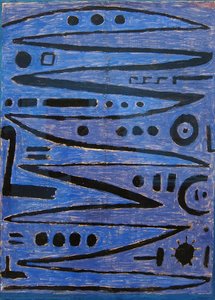
Paul Klee's "Dances caused by fear" (Tänze vor Angst) is not merely a painting; it’s an immersion into the unsettling heart of human emotion. Completed in 1938, this monochrome masterpiece immediately captivates with its chaotic yet meticulously constructed composition – a fragmented landscape of geometric forms writhing in a silent, frantic dance. The artwork speaks to a profound sense of anxiety and disorientation, mirroring the title’s evocative suggestion of a primal response to overwhelming dread. Klee, deeply influenced by Expressionism and Cubism, masterfully translates internal turmoil into a visual language that remains powerfully relevant today.
Composition and Technique: A Fractured Reality
The painting's dynamic composition is built upon an overlapping network of triangles, squares, rectangles, and circles – shapes rendered with Klee’s characteristic precision. These forms aren’t static; they appear to be in perpetual motion, creating a sense of instability and fragmentation that reflects the feeling of being overwhelmed. Notice how thin, irregular lines delineate these shapes, adding to the unsettling effect. The technique employed is deceptively simple: primarily ink or charcoal on paper, layered with subtle blending to create tonal variations within the grayscale palette. This layering adds depth and complexity, suggesting multiple layers of meaning beneath the surface. Klee’s hand-drawn quality imbues the work with a raw, almost visceral energy.
Symbolism and Emotional Resonance
The absence of a central focal point directs the viewer's eye across the entire canvas, intensifying the feeling of disorientation. The monochrome color scheme – shades of gray ranging from light to dark – amplifies this effect, stripping away any comforting hues and reinforcing the somber mood. The geometric shapes themselves can be interpreted as representing fractured identities or the disintegration of order in the face of fear. Klee’s use of line isn't just descriptive; it actively contributes to the emotional impact, creating a network that traps the viewer within the painting’s unsettling space. The title itself – “Dances caused by fear” – suggests a primal response, a physical manifestation of terror. It evokes images of uncontrolled movement and desperate attempts to escape an unseen threat.
Historical Context and Klee's Vision
"Dances caused by fear" was created during a period of significant political and social upheaval in Europe. The rise of Nazism cast a long shadow, fostering anxiety and uncertainty. While Klee remained largely apolitical in his art, this work reflects the broader anxieties of the time – a sense of impending doom and the fragility of human existence. Understanding Klee’s artistic journey—his exploration of musical influences, his embrace of abstraction, and his constant experimentation with form and color—deepens our appreciation for the complexity and power of this remarkable piece. It stands as a testament to Klee's ability to translate profound emotional experiences into a visual language that continues to resonate with viewers today.
질의응답
폴 클레의 "Dances caused by fear"의 대비(contrast)는 어느 정도인가요?
"Dances caused by fear"의 명암 대비는 Statement로 기록되었습니다. 대비는 밝은 부분과 어두운 부분의 차이가 얼마나 강한지를 나타냅니다.
폴 클레의 "Dances caused by fear"의 색감은 채도가 높은 편인가요, 아니면 차분한 편인가요?
폴 클레의 "Dances caused by fear"은(는) Muted의 채도로 표현되었습니다.
"Dances caused by fear"은(는) 저작권으로부터 자유로운가요?
폴 클레의 "Dances caused by fear"의 저작권 정보: 해당 작품은 퍼블릭 도메인 - 저작권 보호 기간이 만료되었습니다 상태입니다. 이는 이미지 복제 가능 여부를 결정하는 기준이 됩니다.
이 작품에 대해 더 알아보기
 미리보기
미리보기
 공유하기
공유하기 공유하기
공유하기
 상세 정보
상세 정보 가이드 보기

 다운로드
다운로드
 유사 작품 더 보기
 X-레이
X-레이 슬라이드 쇼 보기
 질의응답
질의응답 통계 정보
통계 정보