

 실제 크기로 보기
 보내기
보내기 공유하기
공유하기
 상세 보기
상세 보기 가이드 보기

 이미지 다운로드
 유사 작품 더 보기
 X-레이
X-레이 슬라이드 쇼 보기
 통계 정보
통계 정보The Neophyte


 상세 보기
상세 보기
지클레 / 아트 프린트
빠른 제작과 다양한 마감 옵션을 선택할 수 있는 박물관 수준의 지클레이 및 캔버스 프린트. ( 수작업 채색 복제본 주문하기 디지털 이미지 판매 채널로 전환)




P118B ₩10

P118H ₩10

P118W ₩10

P438Z ₩10

P508JH ₩12

P508YH ₩12

P805H ₩10

P805Z ₩10

P919BZ ₩10

P919G ₩10

P919XJ ₩10

P959ZH ₩10

P968JZ ₩12

W106C ₩8

W218G ₩10

W218JH ₩8

W218Y ₩10

W307PJ ₩10

W316G ₩10

W316PJ ₩8

W316Y ₩10

W398PJ ₩8

W4111J ₩10

W500HY ₩15

W500JH ₩15

W692G ₩12

W849H ₩8

W940BG ₩15

W953PJ ₩8




작품의 원본 비율을 그대로 유지하는 프리셋 사이즈 중에서 선택해 보세요.

액자나 벽면 크기에 맞춰 필요한 가로와 세로 길이를 입력해 주세요. 프린트는 원본 이미지보다 크게 제작할 수 없으며 오직 자르는 것만 가능하므로, 비율이 다른 사이즈를 선택할 경우 이미지의 일부가 잘려 나갈 수 있습니다. 인쇄 작업에 들어가기 전, 최종 확인을 위해 디지털 목업을 보내드립니다. 이 페이지에 표시된 이미지는 실제 잘리는 영역을 나타내지 않으며, 오직 목업을 통해서만 정확한 확인이 가능합니다.


 유리 옵션은 110cm 미만 크기에서만 선택 가능합니다.

The Neophyte
지클레 / 아트 프린트
복제본 규격
-


총 결제 금액
₩ 108354
The Composition and Visual Elements
The image presents a monochrome scene set within a dimly lit interior, likely a corridor or communal room of a monastery. A young man, the central figure, sits amidst a group of older individuals. His face is directed toward the viewer, characterized by a fixed, downward gaze and a facial expression that conveys sorrow. He is positioned in front of several other figures, including monks and attendants, who are seated on chairs or benches and standing in the background. Some of these figures are engaged in quiet conversation, while others observe the surroundings.
The lighting in the scene is stark, creating deep shadows and bright highlights that define the textures of the subjects. The palette is restricted to shades of grey, black, and brown. This use of light and shadow emphasizes the physical presence of the figures and the folds in their drapery. The technical execution involves a complex layering of tonal values, achieved through drypoint etching and lithographic printing. These methods produce heavy, velvety textures on the wood block, particularly visible in the rendering of facial features and the weight of the clothing.
Context and Symbolic Meaning
Created in 1875, this work belongs to the Romantic movement, a period that prioritized individual emotion and subjective experience over rationalism. The muted tones and heavy shadows reflect the internal state of the protagonist. The young man represents a struggle for spiritual conviction, with his gaze signifying doubt regarding his monastic vows. In contrast, the surrounding older monks represent established tradition and religious dogma.
The physical arrangement of the figures reinforces this theme of isolation. While the other individuals occupy the space as part of a collective community, the young man appears psychologically detached. The stark lighting isolates him from the group, highlighting his vulnerability. This visual narrative explores the tension between personal idealism and the reality of religious life, using the heavy, dark atmosphere to communicate a sense of existential anxiety.
질의응답
귀스타브 도레의 "The Neophyte"의 프린트 제품은 어디에서 구매할 수 있나요?
귀스타브 도레의 "The Neophyte"의 프린트는 해당 파인 아트 프린트 페이지에서 바로 주문하실 수 있습니다: 코튼 캔버스 또는 아카이브용 캔버스지에 인쇄된 파인 아트 프린트
귀스타브 도레의 "The Neophyte"의 복제본은 어디에 걸면 좋을까요?
귀스타브 도레의 "The Neophyte"의 Landscape 형식은 Living Room에 추천합니다. 작품의 형식과 공간의 조화는 복제화 배치에 중요한 가이드가 됩니다.
"The Neophyte"을(를) 정의하는 팔레트와 주된 색상은 무엇인가요?
귀스타브 도레의 "The Neophyte"의 색채 정체성: Gray (#866f54)이(가) 주를 이루는 Earthy 팔레트.
작가 소개
빛과 그림자의 삶: 뒤레의 세계
폴 고스타브 뒤레(Paul Gustave Doré, 1832-1883)는 삽화, 회화, 조각이라는 세 개의 예술 영역을 놀라운 재능으로 아우른 인물이었다. 프랑스 스트라스부르에서 태어난 그는 격변하는 시대 속에서 활동하며 낭만주의의 영향 아래 새로운 사실주의와 상징주의의 흐름이 나타나는 시기에 그의 삶을 펼쳤다. 어린 시절부터 뒤레는 놀라운 재능을 보였는데, 단순히 그림 그리는 능력뿐 아니라 극적인 감각과 개성을 지니고 있었다. 그의 젊은 시절에는 장난기 넘치는 행동들이 묘사되기도 하는데, 이는 그의 예술 작품에 스며들 복잡하고 종종 우울한 주제를 예견하는 듯했다. 그는 15세라는 어린 나이에 프랑스 잡지 *르 주르날 푸르 리르(Le Journal pour rire)*의 풍자화가로 데뷔하며 관찰력과 구성을 연마했고, 파리 사회의 활기찬 세계 속에서 자신의 기술을 발전시켰다.풍자와 문학 거인과의 만남: 삽화가의 부상
초창기 작품들은 뒤레의 명성을 확고히 하는 기반이 되었다. *헤르쿨레스의 노동(Les Travaux d'Hercule)*, *미처 이해받지 못하고 불만을 품은 세 예술가(Trois artistes incompris et mécontents)*, *유쾌한 여행의 불편함들(Les Dés-agréments d'un voyage d'agrément)*과 같은 작품들은 역동적인 구도와 빛과 그림자의 능숙한 사용을 보여주며 그의 재능을 드러냈다. 그는 특히 J.J. 그랑빌의 삽화에서 큰 영향을 받았는데, 그의 환상적인 이미지와 풍자적인 감각은 뒤레 자신의 예술 스타일 발전에 깊이 자리 잡았다. 그러나 문학 거인들과의 협업을 통해 뒤레는 진정으로 명성을 얻었다. 1853년 그는 바이런의 작품을 삽화하는 의뢰를 받았고, 이는 더 많은 권위 있는 프로젝트로 이어지는 문을 열어주었다. 그 후, 성경 삽화를 맡은 거대한 작업은 그의 예술적 명성을 확고히 했으며 전 세계 수많은 독자들에게 그의 작품을 선보일 기회를 제공했다. 세르반테스의 *돈키호테* 삽화는 특히 큰 영향을 미쳤는데, 등장인물과 이야기의 해석에 깊이 관여하며 독자들의 상상력을 사로잡았다. 그는 단순한 삽화를 넘어 이야기를 재해석하고 극적인 강렬함으로 가득 채웠다. 에드거 앨런 포의 “까마귀” 초판본 삽화 작업은 하퍼 & 브라더스에서 3만 프랑이라는 상당한 수입을 올리며 그의 상업적 성공과 예술적 명성을 동시에 입증했다. 블랑샤르 제롤드와의 협업으로 탄생한 *런던: 순례(London: A Pilgrimage)*는 빅토리아 시대 런던의 빈곤 현실을 생생하게 묘사하며 사회 문제에 대한 논쟁을 불러일으켰다.기술의 달인: 목판화와 낭만주의 비전
뒤레의 예술적 재능은 상상력뿐 아니라 기술적인 숙달에서도 드러났다. 특히 목판화 분야에서 그는 놀라운 능력을 발휘하여 대량 생산과 그의 작품의 광범위한 유통을 가능하게 했다. 그의 구도는 역동적이며, 빛과 그림자의 강렬한 대비는 ‘키아로스쿠로’ 기법으로 알려져 있으며, 경외심이나 공포감을 불러일으키는 웅장함을 자아낸다. 그는 종종 목판각인공들의 팀을 활용하여 자신의 디자인을 목판화로 옮겨 제작 수요를 충족시켰다. 그의 스타일은 낭만주의 전통에 깊이 뿌리를 두고 있으며, 감정, 상상력, 그리고 인간의 조건과 자연의 엄청난 힘에 대한 매혹을 강조한다. 그는 단순히 장면을 기록하는 것이 아니라, 고조된 감정과 극적인 감각을 통해 이야기를 해석했다. 이러한 접근 방식은 많은 이들에게 찬사를 받았지만, 지나치게 극적이거나 섬세함이 부족하다는 비판도 받았다.유산과 지속적인 영향
뒤레는 1861년 프랑스 정부로부터 레지옹 도뇌르 기사 칭호를 받는 영예를 누렸다. 그러나 그의 진정한 유산은 상과 칭호 그 이상이다. 그의 삽화는 수 세대에 걸쳐 시각 문화에 지대한 영향을 미쳤다. 빈센트 반 고흐는 뒤레의 작품, 특히 고통과 역경을 묘사한 작품에서 큰 영감을 받았으며, 인류의 고난에 대한 공감 능력을 인정했다. 그의 생전에 일부 비판이 있었음에도 불구하고, 뒤레의 작품은 현재 예술적 가치와 역사적 중요성을 인정받고 있다. 그의 삽화는 고전 문학과 빅토리아 시대 사회에 대한 우리의 이해를 형성하는 데 중요한 역할을 하며, 시대를 초월한 이야기와 주제에 대한 강력한 시각적 해석을 제공한다. 1883년 1월 23일에 세상을 떠났지만, 그는 계속해서 매혹과 영감을 주는 방대한 작품 세계를 남겼다. 그의 예술은 우리 주변의 세계를 묘사하는 것뿐만 아니라 해석하고 변화시키는 삽화의 힘에 대한 증거이다.주요 작품
- 런던 꽃 파는 여자들(Flower Sellers of London, 1875): 역경 속에서도 가족 간의 유대감을 보여주는 빅토리아 시대 빈곤의 애절한 묘사.
- 기독교 순교자들(The Christian Martyrs): 강렬한 감정으로 신앙과 박해를 묘사한 극적인 걸작.
- 단테의 지옥 삽화(Illustrations for Dante’s Inferno): 그의 가장 상징적인 작품 중 하나로, 단테의 지옥 환상을 전례 없는 강렬함으로 생생하게 구현했다.
- 밀턴의 실낙원 삽화(Illustrations for Milton’s Paradise Lost): 이 서사시를 해석한 뒤레의 작품은 웅장함과 극적인 감각으로 유명하다.
- 영원한 유대인(The Wandering Jew, 1856): 당시 시대상을 반영하는 반유대주의적 함의가 담겨 있지만 대중적으로 인기가 많았던 작품이다.
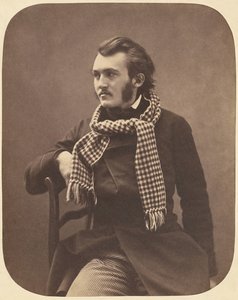
귀스타브 도레
1832 - 1883 , 프랑스
작가 정보 요약
- 국적: 프랑스
- 대표 작품:
- 돈키호테 삽화
- 갈 Raven 삽화
- 런던: 순례
- 성경 삽화
- 지옥 편 삽화
- 사망일: 1883년 1월 23일
- 영향을 받은 예술가: ['빈센트 반 고흐']
- 영향을 준 예술가: ['J.J. 그랑빌']
- 예술 사조: 낭만주의
- 전체 이름: 폴 고스타브 도레
- 출생일: 1832년 1월 6일
- 출생지: 스트라스부르, 프랑스
관련 기사

Romantic Realism's Finest: 10 Masterpieces for Your Home | OriginalUniqueArt
Explore 10 defining masterpieces of Romantic Realism! Discover Courbet, Millet & Daumier's powerful paintings—capturing emotion and social realities. Find museum-quality reproductions for your home at OriginalUniqueArt.com.

Giclée Prints: Archival Quality & Aesthetic Nuances for the Discerning Collector
Explore the world of giclée prints with OriginalUniqueArt. Learn about archival quality, aesthetic nuances & investment potential. Expert guidance for discerning art collectors seeking museum-quality reproductions and lasting value.

The Enduring Legacy of Fine Art Prints: Technique, History & Aesthetic Impact
Explore the rich history & techniques of fine art prints. Discover investment potential, assess authenticity, and learn how to preserve your collection with expert guidance. Trusted insights for discerning collectors.
Top 10 Lithographs That Revolutionized Art | OriginalUniqueArt
Explore 10 legendary lithographs by Toulouse-Lautrec, Munch & Picasso that redefined art! Discover the stories behind these iconic prints and find museum-quality reproductions for your home decor at OriginalUniqueArt.com. Explore the full collection online.
Paul Gustave Doré: A Master of Romantic Realism & the Illustrated Imagination
Explore the captivating world of Gustave Doré, master of Romantic realism & iconic illustrator. Discover his dramatic wood engravings, paintings, and sculptures – a legacy shaping art history. Learn more at OriginalUniqueArt.


