

 실제 크기로 보기
 보내기
보내기 공유하기
공유하기
 상세 보기
상세 보기 가이드 보기

 이미지 다운로드
 유사 작품 더 보기
 X-레이
X-레이 슬라이드 쇼 보기
 Q&A
Q&A 통계 정보
통계 정보Stag Hunt
 Acrylic On Canvas
- WallArt
- Baroque Animal Art
 212.0 x 347.0 cm
 프라도 미술관
 상세 보기
상세 보기
이 페이지에 표시된 작품은 저작권법의 보호를 받으며, 이에 따라 동일한 복제품을 제작하거나 판매하는 것은 법으로 금지되어 있습니다. 이러한 권리 보호는 다음과 같은 국제 협약에 따라 시행됩니다. 베른 협약 또한 다음에서 명시하는 법률을 포함한 국내법에 의해 보호됩니다. 미국 저작권법 제17조.
이 방식은 저작권 보호를 받는 예술 작품을 복제하거나 그대로 재현하는 것이 아니기에 저작권 규정을 완벽히 준수합니다. 대신, 이는 창의적인 재해석의 과정을 거칩니다. 즉, 원작에서 영감을 받되 원작과 동일하지 않은 새로운 회화 작품을 의미합니다.
지클레 / 아트 프린트
빠른 제작과 다양한 마감 옵션을 선택할 수 있는 박물관 수준의 지클레이 및 캔버스 프린트. ( 수작업 채색 복제본 주문하기 디지털 이미지 판매 채널로 전환)




P118B ₩10

P118H ₩10

P118W ₩10

P438Z ₩10

P508JH ₩12

P508YH ₩12

P805H ₩10

P805Z ₩10

P919BZ ₩10

P919G ₩10

P919XJ ₩10

P959ZH ₩10

P968JZ ₩12

W106C ₩8

W218G ₩10

W218JH ₩8

W218Y ₩10

W307PJ ₩10

W316G ₩10

W316PJ ₩8

W316Y ₩10

W398PJ ₩8

W4111J ₩10

W500HY ₩15

W500JH ₩15

W692G ₩12

W849H ₩8

W940BG ₩15

W953PJ ₩8




작품의 원본 비율을 그대로 유지하는 프리셋 사이즈 중에서 선택해 보세요.

액자나 벽면 크기에 맞춰 필요한 가로와 세로 길이를 입력해 주세요. 프린트는 원본 이미지보다 크게 제작할 수 없으며 오직 자르는 것만 가능하므로, 비율이 다른 사이즈를 선택할 경우 이미지의 일부가 잘려 나갈 수 있습니다. 인쇄 작업에 들어가기 전, 최종 확인을 위해 디지털 목업을 보내드립니다. 이 페이지에 표시된 이미지는 실제 잘리는 영역을 나타내지 않으며, 오직 목업을 통해서만 정확한 확인이 가능합니다.


 유리 옵션은 110cm 미만 크기에서만 선택 가능합니다.

Stag Hunt
지클레 / 아트 프린트
복제본 규격
-


총 결제 금액
₩ 108288
Paul de Vos’s Stag Hunt: A Symphony of Movement and Observation
The painting “Stag Hunt,” executed by Paul de Vos sometime between 1592 and 1595 or 1595 and 1678, stands as a testament to the Baroque artist's unparalleled ability to capture both the physicality of animal behavior and the grandeur of its setting. Held within The Fitzwilliam Museum’s collection in Cambridge, England, this monumental canvas—measuring 212 x 347 cm—immediately commands attention with its dynamic composition and masterful execution. It represents more than just a hunting scene; it embodies a profound engagement with the natural world and reflects the artistic sensibilities of Antwerp during its golden age.A Study in Baroque Technique: Light, Shadow, and Texture
Vos’s technique is characterized by an unwavering commitment to realism achieved through meticulous observation and skillful manipulation of chiaroscuro—the dramatic interplay between light and shadow—a hallmark of Baroque painting. Layers upon layers of thinly applied oil paint create a palpable sense of texture, convincingly replicating the rough bark of trees, the glistening fur of hounds, and the muscular contours of the stag itself. Vos’s meticulous attention to detail extends beyond mere representation; he strives to convey not just what is seen but also how it feels—the chill air of the forest, the excitement of the chase, and the palpable tension between hunter and prey. The artist skillfully utilizes glazing techniques – applying translucent layers of pigment over existing paint – to imbue the artwork with luminous color and depth, enhancing its visual impact considerably.Historical Context: Antwerp’s Artistic Ascendancy and Royal Patronage
The painting emerged from Antwerp during a period of extraordinary artistic flourishing—the Baroque era—fueled by royal patronage under Philip II and Rubens. Antwerp was at the epicenter of European art production, attracting artists from across the continent and fostering an environment conducive to experimentation and innovation. Hunting scenes were popular subjects amongst artists of this time, reflecting aristocratic pursuits and serving as vehicles for conveying moral lessons about courage, discipline, and respect for nature. Vos’s depiction aligns perfectly with these cultural trends, demonstrating a deep understanding of his audience's tastes and aspirations. The painting was commissioned by William Cecil Lord Burghley, the Secretary of State to Philip II, highlighting the importance of royal patronage in shaping artistic production during this period.Symbolism Beyond Sport: Representing Virtue and Divine Order
Beyond its depiction of hunting activity, “Stag Hunt” is laden with symbolic significance. The stag itself represents nobility, strength, and vigilance—qualities admired by rulers and considered essential for upholding moral virtue. The hounds symbolize loyalty and perseverance, mirroring the virtues pursued by those who strive to emulate noble ideals. Furthermore, the landscape setting evokes a sense of divine order—the carefully arranged trees and hills reflecting God’s benevolent governance over creation. Vos's masterful portrayal underscores the belief that art could serve as a conduit for conveying spiritual truths alongside aesthetic beauty.Emotional Resonance: Capturing the Thrill of Pursuit
Ultimately, “Stag Hunt” succeeds in eliciting an emotional response from the viewer—a visceral thrill associated with the excitement of the chase and a profound appreciation for the artistry involved. Vos’s dynamic composition captures the frenetic energy of the hunt, conveying not merely visual information but also psychological experience. The artist's ability to convey emotion through color, texture, and gesture speaks volumes about his artistic genius—a legacy that continues to inspire admiration and fascination centuries after its creation. It remains a captivating masterpiece demonstrating the power of art to transport us beyond the confines of time and place.질의응답
"Stag Hunt"의 규격과 크기는 어떻게 되나요?
Paul de Vos의 "Stag Hunt"은(는) 212 x 347 cm 크기의 Panoramic 형식 작품입니다.
Paul de Vos의 "Stag Hunt"과(와) 유사한 작품을 어떻게 찾을 수 있나요?
Paul de Vos의 "Stag Hunt"의 유사한 작품 페이지에서 관련 작품들을 만나보세요.
Paul de Vos의 "Stag Hunt"은(는) 어떤 미술 사조에 속하나요?
Paul de Vos의 "Stag Hunt"은(는) Baroque Animal Art 사조에 속합니다. 이 사조는 해당 작품의 양식적 배경을 제공합니다.
작가 소개
The Master of the Flemish Wild: The Life and Legacy of Paul de Vos
In the golden age of the Flemish Baroque, where grand mythological dramas and sweeping portraits often commanded the halls of European nobility, a more intimate yet equally profound artistry was taking root. Paul de Vos emerged as a singular voice within this vibrant era, turning his gaze away from the heavens and toward the earth. While his contemporaries sought to immortalize gods and kings, De Vos found his muse in the raw, pulsing energy of the natural world. His canvases became windows into the wild, capturing the tension of the hunt and the quiet dignity of still life with a precision that commanded respect from the very masters who defined his age.
Born in Hulst, Netherlands, De Vos’s destiny was inextricably linked to the artistic heartbeat of Antwerp. Moving to this bustling metropolis as a young child, he was thrust into an environment where creativity was the city's primary currency. His formal education was a rigorous journey through the prestigious Guild of St. Luke, studying under masters such as Denijs van Hove, David Remeeus, and Eduard Snayers. This deep immersion in the Antwerp tradition provided him with more than just technical skill; it granted him entry into an elite circle of innovators. The influence of his brother-in-law, the legendary Frans Snyders, and the monumental presence of Peter Paul Rubens acted as both a foundation and a challenge, pushing De and Vos to refine a style that was uniquely his own.
A Symbiosis of Technique and Nature
The true brilliance of De Vos lies in his ability to marry the dramatic flair of the Baroque period with an almost scientific devotion to anatomical accuracy. His work is characterized by a remarkable sense of movement; one can almost hear the rustle of leaves or the sudden, sharp breath of a predator in mid-pursuit. Unlike the often overwhelming scale of Rubens’s compositions, De Vos mastered a more restrained yet equally impactful aesthetic. He utilized luminous colors—warm yellows and earthy ochres—to create an atmospheric depth that breathed life into his subjects.
His technical prowess was so highly regarded that he became a sought-after collaborator for the giants of his time. The historical record reveals a profound professional respect between De Vos and Peter Paul Rubens, with the latter famously entrusting De Vos with the execution of animal figures within larger, more complex compositions. This partnership allowed De Vos to contribute to some of the most significant works of the 17th century, blending his specialized talent for wildlife with the grand narrative structures of the Baroque masters. His ability to render the texture of fur, the glint in a predator's eye, and the delicate decay of a still life arrangement set him apart as a specialist of unparalleled skill.
Historical Significance and Artistic Endurance
The legacy of Paul de Vos extends far beyond the borders of 17th-century Flanders. He played a crucial role in elevating animal painting from mere decorative accompaniment to a respected genre of fine art. By focusing on the intrinsic beauty and drama of the natural world, he provided a different kind of spectacle—one that resonated with the burgeoning interest in natural history and the visceral reality of life and death.
Today, his contributions are recognized as a vital component of the Flemish Baroque tapestry. His work serves as a testament to the era's ability to find profound meaning in the smallest details of existence. Through his mastery of light, color, and motion, De Vos ensured that the creatures of the wild would forever hold a place of honor in the annals of art history. His paintings remain enduring studies in:
- Dynamic Composition: The use of tension and movement to guide the viewer's eye through hunting scenes.
- Anatomical Precision: A meticulous dedication to the realistic depiction of fauna.
- Atmospheric Mastery: The creation of depth and mood through a sophisticated palette of warm, natural tones.
- Collaborative Excellence: His role in shaping the visual language of the Antwerp school alongside Rubens and Van Dyck.

Paul de Vos
1916 - 2006 , Netherlands
작가 정보 요약
- Full Name: Paul de Vos
- Nationality: Flemish
- Date Of Birth: 1916
- Date Of Death: 2006
- Place Of Birth: Hulst, Netherlands
- Notable Artworks:
- Diana the Huntress
- Peacock and Cock Fighting
- Artistic Movement Or Style: Baroque
- Artists Who Influenced This Artist:
- Anthony van Dyck
- Peter Paul Rubens
- Artists Or Movements Influenced By This Artist: ['Rembrandt']
관련 기사

폴 클레 최고작 25선: 색채와 형식이 빚어낸 예술의 정수 | OriginalUniqueArt
폴 클레 최고작 25선을 만나보세요. 추상 미술의 거장 폴 클레의 색채와 감성이 담긴 명화들을 감상하고, 작품 속 숨겨진 이야기와 화풍을 탐구하세요. OriginalUniqueArt에서 고품질 아트 프린트와 인테리어 아이디어를 찾아보세요! 지금 바로 컬렉션을 둘러보세요.
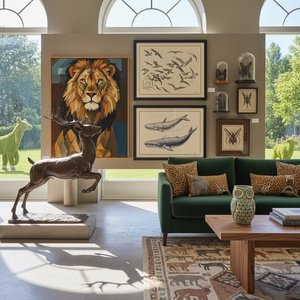
생명의 공간으로: 예술 속 동물 형상의 지속적인 존재와 인테리어 디자인 탐구
예술 속 동물 형상의 깊은 의미와 인테리어 디자인 활용법을 탐구합니다. 기독교 미술의 상징주의부터 현대적인 공간 연출까지, OriginalUniqueArt에서 전문가의 통찰력을 만나보세요.

Dutch Baroque Masters: 10 Paintings That Shaped an Era | OriginalUniqueArt
Journey through the Golden Age with our guide to the Top 10 Dutch Baroque masterpieces! Explore iconic paintings by Rembrandt, Vermeer & Frans Hals. Find museum-quality art reproductions and elevate your home decor at OriginalUniqueArt.com.

폴 세잔 명작 25선: 시대를 초월하는 예술과 공간의 미학 | OriginalUniqueArt
폴 세잔의 시대를 초월하는 명작 25점을 만나보세요. 인상주의를 넘어 후기 인상주의를 개척한 화가의 예술 세계와 정물화, 풍경화 속 숨겨진 이야기를 OriginalUniqueArt에서 감상하세요. 고품질 아트 프린트와 캔버스 액자로 공간에 예술을 더해보세요! 지금 바로 컬렉션을 탐험하세요.

고야의 걸작 25선: 스페인의 영혼을 담은 명화 컬렉션 | OriginalUniqueArt
고야의 걸작 25선을 만나보세요. 스페인 화가 Francisco Goya의 낭만주의 회화, 어두운 색조와 강렬한 감성이 담긴 명화를 OriginalUniqueArt에서 감상하세요. 고품질 유화 복제본으로 예술 작품을 소장하고 홈 데코를 완성해보세요! 지금 바로 컬렉션을 탐험하세요.