
 미리보기
미리보기
 공유하기
공유하기 공유하기
공유하기
 상세 정보
상세 정보 가이드 보기

 다운로드
다운로드
 유사 작품 더 보기
 X-레이
X-레이 슬라이드 쇼 보기
 질의응답
질의응답 통계 정보
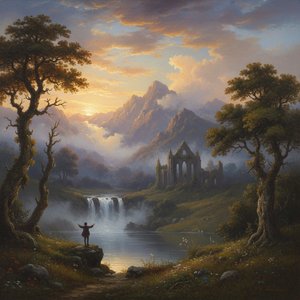
통계 정보Lower Heath Pond, Hampstead

- 36.0 x 47.0 cm


 더 보기
더 보기
이 페이지에 표시된 작품은 저작권법의 보호를 받으며, 이에 따라 동일한 복제품을 제작하거나 판매하는 것은 법으로 금지되어 있습니다. 이러한 권리 보호는 다음과 같은 국제 협약에 따라 시행됩니다. 베른 협약 또한 다음에서 명시하는 법률을 포함한 국내법에 의해 보호됩니다. 미국 저작권법 제17조.
이 방식은 저작권 보호를 받는 예술 작품을 복제하거나 그대로 재현하는 것이 아니기에 저작권 규정을 완벽히 준수합니다. 대신, 이는 창의적인 재해석의 과정을 거칩니다. 즉, 원작에서 영감을 받되 원작과 동일하지 않은 새로운 회화 작품을 의미합니다.
지클레 / 아트 프린트
빠른 제작과 다양한 마감 옵션을 제공하는 박물관 수준의 지클레이 및 캔버스 프린트. ( 수작업 채색 복제본 주문하기 디지털 이미지로 전환)




































작품의 원본 비율을 그대로 유지하는 프리셋 사이즈 중에서 선택해 보세요.

액자나 벽면 크기에 맞춰 필요한 가로와 세로 길이를 입력해 주세요. 프린트는 원본 이미지보다 크게 제작할 수 없으며 오직 자르는 것만 가능하므로, 비율이 다른 사이즈를 선택할 경우 이미지의 일부가 잘려 나갈 수 있습니다. 인쇄 작업에 들어가기 전, 최종 확인을 위해 디지털 목업을 보내드립니다. 이 페이지에 표시된 이미지는 실제 잘리는 영역을 나타내지 않으며, 오직 목업을 통해서만 정확한 확인이 가능합니다.


 유리 옵션은 110cm 미만 크기에서만 선택 가능합니다.

Lower Heath Pond, Hampstead
지클레 / 아트 프린트
복제본 크기
-


최종 결제 금액
₩ 108730
작가 정보
The Artisan of Form: The Life and Legacy of Patrick Campbell Auld
In the heart of nineteenth-century Scotland, a period defined by both industrial transformation and a deep reverence for romantic landscapes, lived a man whose talents bridged the gap between the tactile world of craftsmanship and the ethereal realm of fine art. Patrick Campbell Auld (1813–1866) was a figure of remarkable duality. While history often remembers him through the lens of his meticulous contributions to Scottish footwear design, his soul was deeply rooted in the traditions of sculpture and landscape painting. Born in Edinburgh, Auld’s early life was shaped by the rich, textured atmosphere of an artisan community where every object held the potential for beauty and every landscape whispered a story of heritage.
Auld’s artistic journey began under the tutelage of William Weir, a master sculptor renowned for his ability to breathe life into stone through depictions of Scottish folklore and natural scenery. This apprenticeship was foundational, instilling in Auld a profound respect for sculptural precision and an eye for the subtle interplay of light and shadow. From Weir, he learned that true art is not merely decorative but serves as a vessel for emotion and a connection to the physical world. This reverence for form would later manifest in his dual career; whether he was carving a figure or designing the structural elegance of a Highland boot, Auld approached every creation with a sculptor’s sense of volume and grace.
A Visionary of Landscape and Urban Decay
As his mastery grew, Auld began to capture the shifting landscapes of his homeland on canvas. His works from the 1830s reflect the height of the Romantic movement, characterized by a deep emotional response to nature and a fascination with the passage of time. In pieces such as The Burns Country (183 and 8), he utilized oil on canvas to create vibrant, luminous scenes where light dances across water and illuminates distant lighthouses, evoking a sense of serene permanence. Conversely, his work The Demolition of Marischal College (1837) reveals a more somber, contemplative side of his artistry. In this piece, he captured the poignant beauty of urban decay, using the crumbling architecture of a prestigious institution to meditate on the fleeting nature of human endeavors.
His ability to manipulate texture and light allowed him to move seamlessly between different subjects:
- The Serenity of Nature: Capturing the tranquil essence of Scottish lakes and coastal towns with soft, diffused light.
- Architectural Narrative: Documenting the historical weight and eventual transformation of Scotland's academic landmarks.
- Atmospheric Depth: Using impasto techniques to create a sense of physical presence in his landscape paintings.
The Intersection of Sculpture and Craft
Auld’s professional life reached a significant milestone when he was appointed Professor of Sculpture at Marischal College, Aberdeen, in 1843. This position allowed him to formalize his understanding of anatomy and form, further refining the technical prowess that would define his later years. However, it was during this period that his interests expanded into the practical application of design. He established a workshop in Highgate Ponds, Edinburgh, where he applied his sculptural sensibilities to the creation of footwear. His most famous contribution, the distinctive Highland boots, became a symbol of refined Scottish style, blending the rugged necessity of the terrain with an aristocratic elegance.
The legacy of Patrick Campbell Auld is one of profound integration. He did not see a boundary between the fine arts and the functional crafts; to him, a well-constructed boot required the same attention to structural integrity as a marble bust, and a landscape painting required the same precision as a carved relief. Though his life was cut short by tuberculosis in 1866, the echoes of his vision remain. He left behind a testament to the idea that whether through the stroke of a brush or the stitching of leather, the true artist seeks to capture the enduring spirit of their culture and the timeless beauty of the world around them.

작가 정보 요약
- Full Name: Patrick Campbell Auld
- Nationality: Scottish
- Date Of Death: 1866
- Place Of Birth: Highgate Ponds
- Notable Artworks: ['Burns Country shoes']
- Artistic Movement Or Style: Japanese footwear
관련 콘텐츠

낭만 풍경화의 황홀! 예술사에 빛난 10대 걸작 탐구 | 와후아트
낭만주의 시대, 예술혼을 불태운 10대 풍경화 걸작! 터너부터 프리드리히까지, 시대를 초월하는 아름다움을 와후아트에서 만나보세요. 고흐의 색채와 코로의 섬세함이 당신의 공간에 영감을 더합니다. 지금 바로 와후아트에서 명품 미술 작품을 감상하고 구매하세요!

Evoking Nature's Sublime: A Comprehensive Exploration of 19th-Century Landscape Painting
Explore the captivating world of 19th-century landscape painting! Discover renowned artists like Friedrich & Monet, key movements, and find the perfect artwork to bring nature's serenity into your home. Expert insights at OriginalUniqueArt.

Evocations of Place: A Historical Journey Through Landscape Art
Explore the rich history of landscape art with OriginalUniqueArt. Discover renowned artists, movements like Impressionism & Romanticism, and expert guidance for collecting timeless pieces. Find your perfect serene escape today!

The Sublime and the Picturesque: Exploring Emotion & Nature in Romantic Landscape Painting
Explore the emotional power of Romantic landscape painting! Discover the sublime & picturesque traditions, key artists like Friedrich & Cole, and find your perfect artwork at OriginalUniqueArt.
Evoking Emotion & Transcendence: Romantic Landscape Painting (18th-19th Century)
Explore the emotional depth of Romantic landscape painting (18th-19th century). Discover key artists like Friedrich & Cole, and the concepts of the sublime. Expert insights for art lovers & collectors.