

 실제 크기로 보기
 보내기
보내기 공유하기
공유하기
 상세 보기
상세 보기 가이드 보기

 이미지 다운로드
 유사 작품 더 보기
 X-레이
X-레이 슬라이드 쇼 보기
 통계 정보
통계 정보Crucifixion
 Acrylic On Canvas
- WallArt
- Early Renaissance
 1460
1460 45.0 x 67.0 cm
 프라도 미술관
 상세 보기
상세 보기
지클레 / 아트 프린트
빠른 제작과 다양한 마감 옵션을 선택할 수 있는 박물관 수준의 지클레이 및 캔버스 프린트. ( 수작업 채색 복제본 주문하기 디지털 이미지 판매 채널로 전환)




P118B ₩10

P118H ₩10

P118W ₩10

P438Z ₩10

P508JH ₩12

P508YH ₩12

P805H ₩10

P805Z ₩10

P919BZ ₩10

P919G ₩10

P919XJ ₩10

P959ZH ₩10

P968JZ ₩12

W106C ₩8

W218G ₩10

W218JH ₩8

W218Y ₩10

W307PJ ₩10

W316G ₩10

W316PJ ₩8

W316Y ₩10

W398PJ ₩8

W4111J ₩10

W500HY ₩15

W500JH ₩15

W692G ₩12

W849H ₩8

W940BG ₩15

W953PJ ₩8




작품의 원본 비율을 그대로 유지하는 프리셋 사이즈 중에서 선택해 보세요.

특정 프레임이나 공간에 맞춰 직접 치수를 입력하실 수 있습니다. 선택하신 사이즈가 원본 이미지의 비율과 일치하지 않을 경우, 작품을 크롭(자르기)하거나 이미지를 대칭 또는 단색 채우기로 확장하여 제작합니다. 제작 시작 전, 최종 확인을 위해 디지털 목업이 전송됩니다.
화면상의 미리보기는 실제 크롭이나 확장 상태를 반영하지 않으므로, 최종 구도는 오직 목업을 통해서만 정확하게 확인하실 수 있습니다.
맞춤 사이즈 제작도 가능하지만, 원본 비율을 유지하기 위해서는 사전 정의된 목록에서 치수를 선택하시는 것을 권장합니다.


 유리 옵션은 110cm 미만 크기에서만 선택 가능합니다.

Crucifixion
지클레 / 아트 프린트
복제본 규격
-


총 결제 금액
₩ 107360
A Florentine Visionary’s Lament: Paolo Uccello's “Crucifixion” (1460)
Paolo Uccello’s “Crucifixion,” painted in 1460, is not merely a depiction of a pivotal religious event; it’s a profound exploration of perspective, space, and the emotional weight of suffering. Born in Pratovecchio, Italy, in 1397, Uccello was a restless innovator, driven by an almost obsessive desire to master the illusion of depth on canvas – a pursuit that set him apart from many of his contemporaries. This particular work, housed within a relatively modest size of 45 x 67 cm, belies the complex intellectual and artistic forces at play. It’s a testament to Uccello's ambition to elevate painting beyond simple representation, striving instead for a dynamic, almost theatrical portrayal of Christ’s agony.
The Geometry of Grief: Technique and Perspective
Uccello’s approach to perspective is immediately striking. He employs a technique that anticipates later developments in Renaissance art, though his execution is uniquely characterized by a deliberate, almost engineered quality. Rather than relying on subtle gradations of tone or atmospheric haze – methods favored by many of his peers – Uccello utilizes sharply defined lines and geometric forms to create the illusion of receding space. The cross itself is constructed with meticulous detail, its beams rendered as precise rectangles, contributing to an overall sense of architectural rigor. Notice how he uses converging lines, drawing the viewer’s eye towards a vanishing point that isn't immediately obvious, demanding active engagement from the observer. This wasn’t simply about creating a realistic image; it was about demonstrating the mathematical principles underlying visual perception – a characteristic deeply rooted in his background as a student of Lorenzo Ghiberti.
- Linear Perspective: Uccello's bold use of converging lines establishes a clear, albeit somewhat artificial, sense of depth.
- Geometric Forms: The cross and surrounding elements are rendered with sharp, rectangular shapes, emphasizing the constructed nature of the scene.
- Early Experimentation: This work represents an early, perhaps even pioneering, exploration of linear perspective in Italian painting.
Symbolism and Narrative – A Gathering of Witnesses
The composition is rich with symbolic elements that elevate the scene beyond a simple historical record. Mary Magdalene, positioned close to Christ’s feet, embodies compassion and sorrow—a common motif in depictions of the crucifixion. John the Baptist, standing on the right, represents repentance and faith, his posture conveying both solemnity and a sense of prophetic witness. The two angels flanking the cross are not merely decorative; they symbolize divine judgment and mercy, acting as silent observers to this pivotal moment. The inclusion of these figures underscores the universality of Christ’s sacrifice – it is an event witnessed by humanity itself.
Emotional Resonance: A Study in Suffering
Despite the calculated geometry, “Crucifixion” powerfully conveys the emotional impact of Christ's suffering. Uccello masterfully uses color to heighten the drama – the stark contrast between the pale flesh of Christ and the dark background emphasizes his vulnerability. The folds of his garments are rendered with a dynamic sense of movement, suggesting the physical agony he endures. The overall effect is one of profound sorrow and contemplation, inviting viewers to engage with the weight of this sacred event. It’s important to remember that Uccello was working during a period of intense religious fervor, and his painting reflects both the intellectual and spiritual concerns of the time. This isn't just an illustration; it’s an attempt to capture the essence of Christ’s sacrifice through a carefully constructed visual language.
OriginalUniqueArt offers exquisite hand-painted reproductions of Paolo Uccello’s “Crucifixion,” allowing you to bring this remarkable work into your home or office. Each reproduction is created by skilled artists using traditional techniques, ensuring the highest level of detail and authenticity. Explore our collection today and experience the enduring power of Uccello's vision.
질의응답
우첼로의 "Crucifixion"의 디지털 이미지는 어디에서 구매할 수 있나요?
우첼로의 "Crucifixion"의 디지털 이미지는 현재 페이지인 고해상도 디지털 이미지 다운로드에서 구매하실 수 있습니다.
"Crucifixion"의 저작권 상태가 현재와 같은 이유는 무엇인가요?
우첼로의 "Crucifixion"은(는) 퍼블릭 도메인 - 저작권 보호 기간이 만료되었습니다 상태입니다. 저작권 보호 기간은 작가가 사망한 1475년부터 기산됩니다.
우첼로의 "Crucifixion"은(는) 어떤 느낌을 전달하나요?
우첼로의 "Crucifixion"에 담긴 분위기는 Dramatic이며, 정서적 어조는 Melancholic입니다.
우첼로의 "Crucifixion"은 밝은 분위기의 작품인가요, 아니면 어두운 분위기의 작품인가요?
"Crucifixion"의 전체적인 밝기는 deep_shadow이며, 휘도는 Dark입니다.
주문하기 전에 우첼로의 "Crucifixion"를 미리 볼 수 있나요?
우첼로의 "Crucifixion"의 미리보기를 작품의 미리보기 페이지에서 확인하실 수 있습니다.
Early Renaissance 내에서 "Crucifixion"의 인지도는 어느 정도인가요?
Early Renaissance 사조 내에서, "Crucifixion"은(는) Recognized 정도의 인지도를 보유하고 있습니다.
우첼로의 "Crucifixion"은(는) 어떤 감정을 전달하나요?
우첼로의 "Crucifixion"은(는) Melancholic 감성을 전달합니다.
우첼로의 "Crucifixion"의 구성을 주도하는 색상은 무엇인가요?
"Crucifixion"에서 가장 돋보이는 색상은 Black (#120e11)입니다. 작품의 주된 색상은 인테리어와 작품을 조화롭게 매치할 때 유용합니다.
작가 소개
파올로 우첼로: 원근법의 연금술사, 피렌체의 혁신가
1397년 아레초 인근 프라토베키오에서 태어난 파올로 디 도노, 그는 ‘작은 새’라는 뜻의 별칭인 파올로 우첼로(Paolo Uccello)로 더 잘 알려져 있습니다. 그의 삶은 단순한 화가를 넘어선 수학자이자 공간의 비밀을 탐구하는 지적 탐험가의 여정이었죠. 아버지의 직업은 이발과 외과의 일을 겸했고, 어머니는 플로렌스 귀족 가문 출신이었습니다. 이러한 배경은 우첼로에게 실용적인 감각과 함께 고상한 미적 취향을 심어주었을 것입니다. 1412년부터 1416년까지 그는 로렌초 기베르티의 작업실에서 도제 생활을 하며, 당시 유행하던 국제 고딕 양식에 깊이 빠져들었습니다. 하지만 우첼로는 그 틀 안에 머무르지 않고, 새로운 가능성을 끊임없이 모색하며 자신만의 독특한 예술 세계를 구축해 나갈 준비가 되어 있었습니다.원근법의 열정과 수학적 탐구
우첼로의 예술적 발전을 가장 잘 보여주는 것은 원근법에 대한 그의 집요한 탐구입니다. 그는 단순히 기법을 익히는 데 그치지 않고, 시각 인식을 지배하는 근본적인 원리를 파헤치고자 했습니다. 필리포 브루넬레스키가 선형 원근법의 발견으로 널리 알려져 있지만, 우첼로는 이를 더욱 체계적으로 활용하고 발전시킨 선구자였습니다. 그는 사라지는 점과 직교선을 정밀하게 계산하여 그림 속에 깊이감을 부여했고, 이는 이전에는 경험할 수 없었던 새로운 차원의 공간감을 창조했습니다. 조르조 바사리는 그의 전기에서 우첼로가 밤늦도록 원근법의 정확한 이해를 위해 연구에 몰두했다고 기록했는데, 이러한 헌신은 그가 예술을 얼마나 진지하게 받아들였는지 보여주는 단적인 예입니다. 단순히 눈에 보이는 것을 재현하는 것이 아니라, 수학적 원리를 통해 현실을 재구성하려는 그의 열정은 르네상스 미술의 새로운 지평을 여는 데 결정적인 역할을 했습니다.대표작과 예술적 특징: 공간의 환영을 담아낸 걸작들
우첼로는 비교적 적은 수의 작품을 남겼지만, 각 작품은 그의 독창성과 혁신성을 증명합니다. 그중에서도 ‘산 로마노 전투’ 연작은 그의 대표작으로 꼽힙니다. 이 세 폭의 그림은 플로렌스 군의 승리를 기념하기 위해 제작되었으며, 격렬한 전투 장면을 역동적인 구도와 생생한 색채로 표현했습니다. 특히 갑옷과 창이 복잡하게 뒤엉킨 모습은 우첼로가 원근법을 얼마나 능숙하게 다루었는지 보여주는 증거입니다. 또한 ‘성 조르조와 용’에서는 강렬한 색감과 단순화된 형태를 통해 신화 속 영웅의 모습을 웅장하게 그려냈습니다. 그의 작품들은 다음과 같은 특징들을 공유합니다:- 생동감 넘치는 팔레트와 대담한 색채 사용
- 극적인 효과를 위해 원근법을 극한까지 밀어붙임
- 고딕 양식의 영향을 받은 스타일화된 인물 표현
- 기하학적 형태와 공간 관계에 대한 깊은 관심
르네상스 미술사에 드리운 그림자: 후대에 미친 영향
우첼로는 르네상스 시대의 예술가들에게 지대한 영향을 미쳤습니다. 알브레히트 뒤러는 그의 원근법 연구에 감명받아 자신 역시 이 분야를 탐구했으며, 우첼로의 혁신적인 시도는 레오나르도 다 빈치와 같은 후대 거장들의 작품에도 영감을 불어넣었습니다. 비록 당시에는 다소 괴팍하고 독특한 화가로 여겨졌지만, 그의 예술적 업적은 시간이 흐르면서 재평가되었고, 오늘날 그는 르네상스 미술의 중요한 인물 중 한 명으로 인정받고 있습니다. 우첼로는 단순히 그림을 그리는 사람이 아니라, 시각적 세계를 이해하고 표현하는 새로운 방법을 제시한 선구자였습니다. 그의 작품들은 여전히 우리에게 깊은 감동과 영감을 주며, 예술이 지닌 무한한 가능성을 보여줍니다. 1475년 플로렌스에서 세상을 떠난 우첼로는 자신의 삶과 예술을 통해 공간의 비밀을 탐구하고, 시각적 환영의 마법을 창조해낸 진정한 연금술사였습니다.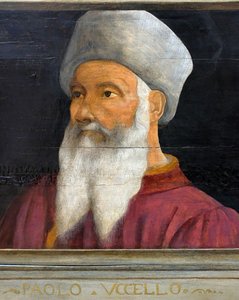
우첼로
1397 - 1475 , 이탈리아
작가 정보 요약
- 국적: 이탈리아인
- 대표 작품:
- 산 로마노 전투
- 선성 마리아 알레벨라의 생신
- 성 조지
- 홍수와 방주
- 사망일: 1475년
- 영향을 받은 예술가: ['알브레히트 뒤러']
- 영향을 준 예술가:
- 로렌초 기베르티
- 도나텔로
- 예술 사조: 초기 르네상스
- 전체 이름: 파올로 우첼로
- 출생일: 1397년
- 출생지: 프라토베키오, 이탈리아
관련 기사
Paolo Uccello: Pioneering Perspective & the Renaissance Pursuit of Visual Truth
Explore the revolutionary art of Paolo Uccello, a Florentine Renaissance master who pioneered perspective. Discover his iconic paintings like 'St. George & The Dragon' and learn about his lasting influence on art history.
Proto-Renaissance Masters: 10 Artworks That Changed History | OriginalUniqueArt
Journey back to the dawn of Renaissance art! Explore 10 iconic Proto-Renaissance masterpieces by Giotto, Cimabue & Duccio. Discover their stories, techniques & lasting impact. Find museum-quality reproductions for your home at OriginalUniqueArt.com
Jacob Henricus Maris: A Master of Dutch Atmospheric Realism & the Intimate Landscape
Explore the captivating world of Jacob Henricus Maris, a leading figure of the Dutch Hague School. Discover his atmospheric landscapes, signature brushstrokes & lasting influence on 19th-century art. Learn more at OriginalUniqueArt.
조토 디 본도네의 걸작 25선: 시대를 초월한 예술과 영감, OriginalUniqueArt에서 만나보세요
조토 디 본도네의 시대를 초월한 25개의 걸작을 만나보세요. 르네상스 초기 미술의 혁신적인 기법과 감동적인 스토리를 OriginalUniqueArt에서 경험하세요. 고품질 조토 레플리카와 인테리어 디자인 영감을 지금 바로 탐험해보세요! OriginalUniqueArt.com
프라 안젤리코의 걸작 25선: 천상의 아름다움을 담은 명화 컬렉션 | OriginalUniqueArt
프라 안젤리코의 천상의 아름다움을 담은 25개의 명작을 만나보세요. 르네상스 시대 종교화, 금박 기법, 섬세한 색채가 빛나는 예술 작품들을 OriginalUniqueArt에서 감상하고 특별한 인테리어로 완성하세요. 지금 바로 컬렉션을 탐험하세요!


