프린트 판매로 전환
 더 보기







































 가로 또는 세로 중 어느 한 면이라도 105cm(약 41인치)를 초과하는 작품이나 복제화의 경우, 프레임은 분해된 키트 형태로 배송됩니다. 이는 안전한 배송을 보장하고 운송 중 발생할 수 있는 손상을 방지하기 위함입니다.


A Portrait Steeped in Emotion: Examining Picasso’s “Head of a Woman” (1903)
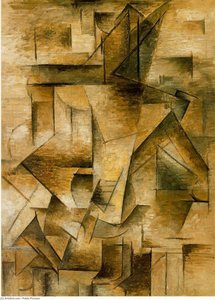
Pablo Picasso's "Head of a Woman," painted in 1903, transcends mere representation; it embodies the nascent spirit of Cubism and speaks volumes about the artist’s evolving exploration of form and emotion. This striking portrait resides within the Metropolitan Museum of Art’s collection, offering viewers an unparalleled opportunity to contemplate Picasso's groundbreaking approach to depicting human subjects. The photograph itself captures a masterful execution of oil on canvas, revealing intricate details that illuminate Picasso’s artistic vision.- Subject Matter & Composition: The artwork centers around the head of a woman—a figure increasingly prominent in Picasso’s oeuvre during this pivotal period. Her gaze directs towards the viewer, establishing an immediate connection and inviting introspection. Simultaneously, her posture conveys vulnerability and contemplation, hinting at deeper psychological complexities.
- Style & Technique: “Head of a Woman” firmly establishes Picasso's embrace of Cubism’s revolutionary principles. Unlike traditional portraiture which strives for idealized beauty, Picasso dismantles conventional perspective, fracturing the form into geometric planes that overlap and intersect. This technique—characteristic of his early explorations—challenges viewers to perceive reality anew.
- Color Palette & Texture: Dominated by a deep indigo hue, the background serves as a counterpoint to the woman’s flesh tones. Picasso skillfully employs subtle gradations of color to create depth and atmosphere, enhancing the emotional resonance of the piece. The textured surface of the canvas contributes to the overall impression of materiality and immediacy.
Historical Context: Picasso's Artistic Breakthrough
Painted in 1903, “Head of a Woman” marks a crucial juncture in Picasso’s artistic trajectory. Following his formative years studying under José Ruiz y Blasco and experimenting with naturalistic styles—as evidenced by "The Tragedy"—Picasso sought to liberate art from representational constraints. Influenced by Cézanne's explorations of form and the burgeoning avant-garde movement, he began to dismantle traditional conventions, paving the way for Cubism’s radical reformulation of visual perception.- Symbolism & Emotion: The woman’s melancholic gaze—coupled with her downward tilt—suggests a profound inner turmoil. Picasso deliberately eschews sentimental depiction, prioritizing psychological insight over aesthetic beauty. This deliberate choice reflects the artist's preoccupation with themes of suffering and loss, foreshadowing his later masterpieces.
- Influence & Legacy: “Head of a Woman” stands as a cornerstone of Cubism’s development—a movement that irrevocably altered the course of modern art. Picasso’s pioneering technique continues to inspire artists today, demonstrating the enduring power of artistic innovation and its capacity to provoke contemplation.
Bringing Picasso's Vision Home: Premium Reproductions Available
A high-quality reproduction of “Head of a Woman” can transform any interior space into an evocative reflection of Picasso’s artistic genius. OriginalUniqueArt offers meticulously crafted reproductions that faithfully capture the artwork’s nuanced colors and textural subtleties, allowing collectors and enthusiasts alike to experience the emotional depth of this iconic masterpiece firsthand. Explore our curated selection today!질의응답
"Untitled (D2WVXT)"의 작가인 파블로 피카소는 다른 이름으로도 알려져 있나요?
파블로 피카소은(는) 피카소라는 이름으로도 활동하고 있습니다.
파블로 피카소의 "Untitled (D2WVXT)"의 색감은 채도가 높은 편인가요, 아니면 차분한 편인가요?
파블로 피카소의 "Untitled (D2WVXT)"의 색상은 Subtle Color 정도의 채도를 띱니다. 채도는 색상이 얼마나 선명하거나 차분한지를 나타냅니다.
파블로 피카소의 "Untitled (D2WVXT)"의 전체적인 분위기는 밝은 편인가요, 아니면 어두운 편인가요?
전반적으로 "Untitled (D2WVXT)"의 밝기는 balanced로 기록되었습니다. 인지된 밝기는 작품이 얼마나 밝거나 어둡게 느껴지는지를 나타냅니다.
이 작품에 대해 더 알아보기
 미리보기

 공유하기
 공유하기
 상세 정보
 가이드 보기


 다운로드
 유사 작품 더 보기
 X-레이
 슬라이드 쇼 보기
 질의응답
 통계 정보