프린트 판매로 전환
 더 보기
더 보기







































 가로 또는 세로 중 어느 한 면이라도 105cm(약 41인치)를 초과하는 작품이나 복제화의 경우, 프레임은 분해된 키트 형태로 배송됩니다. 이는 안전한 배송을 보장하고 운송 중 발생할 수 있는 손상을 방지하기 위함입니다.


A Window Into the Soul: Picasso’s Self-Portrait of 1906
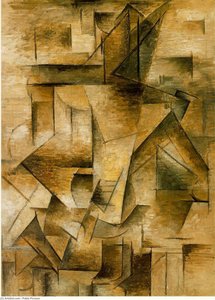
Pablo Picasso's "Self-Portrait," painted in 1906, isn’t merely a likeness; it’s a raw, pulsating embodiment of the artist wrestling with his own identity and the burgeoning artistic currents swirling around him. This intimate canvas, measuring just 39 x 30 centimeters, offers an unparalleled glimpse into the mind of a revolutionary – a man poised on the precipice of transforming not only painting itself but also our very perception of reality. The work immediately commands attention with its vibrant, almost jarring, palette; deep blues and greens dominate the background, creating a sense of both melancholy and restless energy, while punctuated by flashes of ochre and crimson that draw the eye to Picasso’s face.
The portrait itself is far from a conventional representation. Picasso deliberately distorts his features – the eyes are wide with an almost unsettling intensity, the mouth slightly downturned, hinting at introspection or perhaps even dissatisfaction. The beard and mustache, rendered with bold, expressive brushstrokes, contribute to a sense of ruggedness and vulnerability. It’s a face that isn't striving for beauty but rather revealing something deeper – a complex tapestry of emotion and intellectual curiosity. This deliberate departure from realistic representation speaks directly to the influence of Expressionism, a movement gaining traction at the time, which prioritized conveying inner experience over objective depiction.
Echoes of Cézanne and African Art
To fully appreciate “Self-Portrait,” it’s crucial to understand the artistic landscape that shaped Picasso during this pivotal period. The painting is deeply indebted to Paul Cézanne, whose emphasis on geometric forms and flattened perspectives provided a foundational framework for Picasso's own explorations. However, Picasso wasn’t simply imitating; he was actively dismantling and reimagining these influences. Simultaneously, the portrait reflects Picasso’s fascination with African art, particularly masks and sculptures. The fragmented planes of the face, the simplified features, and the overall sense of dynamism resonate with the stylistic elements found in tribal art – a deliberate attempt to strip away convention and arrive at a more primal, essential form of expression.
The influence of these diverse sources is evident in the painting’s unsettling yet captivating quality. Picasso wasn't aiming for harmony or seamless integration; instead, he embraced dissonance, creating a visual experience that mirrors the complexities of his own artistic journey and the turbulent spirit of the early 20th century.
The Seeds of Cubism
While “Self-Portrait” predates the fully realized tenets of Cubism, it undeniably contains its nascent seeds. The subtly fractured planes of the face, the suggestion of multiple viewpoints simultaneously, and the deliberate distortion of space are all precursors to Picasso’s groundbreaking movement. This isn't a static portrait; it feels like a captured moment of transformation – a visual representation of an artist actively dismantling traditional modes of seeing and depicting the world.
The bold brushstrokes, applied with a sense of urgency and immediacy, further contribute to this feeling of dynamism. They aren’t meticulously blended or smoothed out; rather, they retain their individual character, creating a textured surface that invites close examination. It's as if Picasso is attempting to capture not just the appearance of his face but also the very process of creation itself – the act of shaping and reshaping reality through paint.
A Portrait of an Era
“Self-Portrait” from 1906 stands as a powerful testament to Picasso’s innovative spirit and his role in ushering in a new era of modern art. It's more than just a depiction of a man; it’s a visual manifesto – a declaration of intent, a bold experiment with form and color, and a profound exploration of the human psyche. The painting’s emotional intensity, coupled with its historical significance, makes it an enduring masterpiece that continues to resonate with viewers today. OriginalUniqueArt offers exceptional hand-painted reproductions, allowing you to bring this pivotal work into your own space and experience its captivating power firsthand.
질의응답
파블로 피카소의 "Self-Portrait"과(와) 비슷한 느낌의 작품을 어떻게 찾을 수 있나요?
"Self-Portrait"와 유사한 작품들은 해당 작품의 유사한 작품들 페이지에서 확인하실 수 있습니다.
파블로 피카소의 "Self-Portrait"은(는) 회화인가요, 드로잉인가요, 아니면 판화인가요?
파블로 피카소의 "Self-Portrait"은(는) WallArt로 분류됩니다. 이 카테고리는 해당 작품의 예술적 형식을 나타냅니다.
파블로 피카소의 "Self-Portrait"의 저작권 상태는 어떻게 되나요?
"Self-Portrait"의 저작권 상태(저작권 보호 대상입니다)는 작가의 1973년 사망 시점을 기준으로 결정됩니다.
이 작품에 대해 더 알아보기
 미리보기
미리보기
 공유하기
공유하기 공유하기
공유하기
 상세 정보
상세 정보 가이드 보기

 다운로드
다운로드
 유사 작품 더 보기
 X-레이
X-레이 슬라이드 쇼 보기
 질의응답
질의응답 통계 정보
통계 정보