프린트 판매로 전환
 상세 보기
상세 보기







































 가로 또는 세로 중 어느 한 면이라도 105cm(약 41인치)를 초과하는 작품이나 복제화의 경우, 프레임은 분해된 키트 형태로 배송됩니다. 이는 안전한 배송을 보장하고 운송 중 발생할 수 있는 손상을 방지하기 위함입니다.


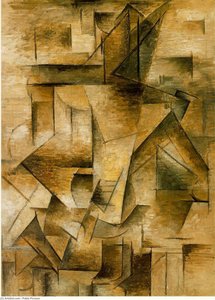
A Study in Quietude: Unveiling Picasso’s ‘Nude’
Pablo Picasso's “Nude” is not merely a depiction of the human form; it’s an exploration of introspection, a moment captured in time that resonates with a profound sense of melancholy and contemplation. Painted during his pivotal Cubist period, this work exemplifies Picasso’s radical departure from traditional representational art, offering instead a fragmented yet powerfully evocative portrait of a woman seated with her head bowed, lost in thought. The painting's power lies not just in its subject matter – the nude is a recurring motif throughout Picasso’s oeuvre – but in the artist’s masterful manipulation of space and form to convey an intensely personal emotional state.
Cubist Innovation and Deconstructed Reality
Created around 1909-1910, “Nude” firmly establishes Picasso within the burgeoning Cubist movement. Rejecting single viewpoints, he presents the figure through multiple perspectives simultaneously, fracturing her body into geometric shapes – sharp angles of the chair, overlapping planes of the torso, and distorted limbs. This technique wasn’t simply an aesthetic choice; it reflected a broader philosophical shift, mirroring the idea that reality itself is subjective and can be perceived in countless ways. The deliberate distortion serves to heighten the emotional impact, forcing the viewer to actively engage with the image and reconstruct its meaning.
- Oil on Canvas: Picasso’s choice of oil paint allowed for a rich, layered texture – crucial for building up the complex forms characteristic of Cubism.
- Geometric Fragmentation: The breakdown of form into interlocking planes is the defining feature of the style, challenging conventional notions of perspective and representation.
- Monochromatic Palette: Primarily utilizing shades of brown and grey, Picasso’s palette contributes to the painting's somber mood and emphasizes the formal elements rather than distracting from them.
Symbolism and Emotional Resonance
The woman’s posture – seated with her head bowed, hands gently resting on her head – immediately evokes a sense of vulnerability and quiet sadness. This isn't a celebratory depiction of the nude; it’s an intimate portrait of someone grappling with internal thoughts or perhaps mourning a loss. The ambiguity surrounding her gaze—directed into the distance—further amplifies this feeling, inviting viewers to project their own emotions onto the canvas. The influence of Picasso’s personal tragedies – the early deaths of his sister and other loved ones – undoubtedly informed this emotional depth.
A Legacy of Innovation
“Nude” stands as a cornerstone in Picasso's artistic development and a pivotal work within the history of modern art. It demonstrates his willingness to challenge established conventions, paving the way for subsequent movements like Futurism and Constructivism. Reproductions of this piece offer an unparalleled opportunity to experience firsthand the genius of one of the 20th century’s most influential artists. OriginalUniqueArt offers meticulously crafted hand-painted reproductions that capture not only the visual details but also the emotional essence of this iconic work, ensuring a timeless addition to any art collection or interior space.
질의응답
파블로 피카소의 "Nude"의 수작업 복제화를 어디에서 구매할 수 있나요?
"Nude" 작품은 리넨 캔버스 위에 손으로 직접 그린 유화 복제화로 만나보실 수 있습니다. 주문은 수작업 유화 복제화 페이지에서 가능하며, 다양한 사이즈를 선택하실 수 있습니다.
파블로 피카소의 "Nude"의 휘도는 어느 정도인가요?
"Nude"의 색상은 Soft Shadow 정도의 휘도를 나타냅니다.
파블로 피카소의 "Nude"은(는) Cubist Style 사조에서 많은 이들이 찾는 작품인가요?
파블로 피카소의 "Nude"은(는) Iconic 수준으로 분류되며, Cubist Style 사조에 속합니다.
More about this painting
 실제 크기로 보기
 보내기
보내기 공유하기
공유하기
 상세 보기
상세 보기 가이드 보기

 이미지 다운로드
 유사 작품 더 보기
 X-레이
X-레이 슬라이드 쇼 보기
 Q&A
Q&A 통계 정보
통계 정보