프린트 판매로 전환
 상세 보기
상세 보기







































 가로 또는 세로 중 어느 한 면이라도 105cm(약 41인치)를 초과하는 작품이나 복제화의 경우, 프레임은 분해된 키트 형태로 배송됩니다. 이는 안전한 배송을 보장하고 운송 중 발생할 수 있는 손상을 방지하기 위함입니다.


The Soul of the Wanderer: A Monochrome Encounter
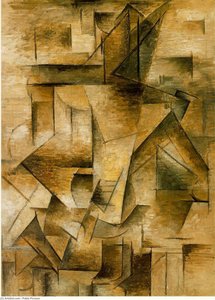
In the quiet, textured depths of Pablo Picasso’s "El Vagabundo," we encounter more than just a sketch; we meet a profound meditation on the human condition. Created during the pivotal years between 1907 and 1908, this monochrome pencil drawing captures a moment of stillness in the life of an elderly man, set against a rustic, rolling landscape. As one gazes upon the weathered features of the subject, there is an immediate, visceral connection to the themes of solitude and vulnerability that defined Picasso’s early Parisian years. The artwork does not merely depict a person; it evokes the very essence of a life lived on the margins, inviting the viewer into a silent dialogue with the transient nature of existence.
The mastery of the piece lies in its remarkable restraint. Eschewing the vibrant palettes that would later define much of his career, Picasso utilizes the raw, direct power of graphite to build a world out of shadow and light. The composition is deceptively simple, yet it possesses an architectural strength. A central, weary figure is framed by the soft contours of hills and the distant, sharp silhouette of a church steeple. This juxtaposition—the solitary, drifting man against the permanent, structural symbol of faith—creates a tension that lingers in the mind long after the first viewing. It is a work that speaks to the heart of anyone moved by the beauty found in simplicity and the quiet dignity of the overlooked.
Technique and the Language of Line
To study "El Vagabundo" is to witness Picasso’s experimental brilliance at work. The technique is characterized by an expressive use of line, where varying thicknesses and pressures create a sense of palpable materiality. Through dense hatching and meticulous cross-hatching, the artist renders the rough texture of the man's clothing and the weathered creases of his skin, imbuing the paper with a sense of physical weight. There is no attempt at smooth, illusionistic realism here; instead, Picasso embraces a flattened perspective and organic, irregular shapes that lean toward the burgeoning movements of Expressionism and early Cubism.
The lighting within the drawing is beautifully diffused, achieved not through traditional shading but through the strategic density of pencil strokes. This creates a subtle depth, where the man appears to emerge from the landscape itself. For the collector or interior designer, this piece offers a sophisticated textural element. The scratchy, rhythmic quality of the graphite provides a visual rhythm that can anchor a room, offering a monochromatic elegance that complements both minimalist modern spaces and more traditional, classic interiors. It is a masterclass in how much emotion can be extracted from a single medium and a limited tonal range.
A Legacy of Emotion and Symbolism
Beyond its formal brilliance, "El Vagabundo" serves as a window into the psychological landscape of a young genius navigating a period of intense personal and artistic transition. The wanderer acts as a symbol for the displaced and the marginalized, reflecting the social complexities of the Parisian era. The church steeple in the background stands as a silent sentinel, representing the societal structures and spiritual anchors that contrast with the man's nomadic, uncertain path. This duality—between the individual and the institution, between movement and permanence—is what gives the artwork its enduring emotional resonance.
For those seeking to bring a piece of art history into their personal sanctuary, a high-quality reproduction of this work offers an unparalleled opportunity. It is not merely a decoration but an invitation to contemplate themes of resilience, aging, and the quiet strength found in solitude. "El Vagabundo" remains a testament to Picasso's ability to dismantle reality and reconstruct it into something deeply moving, making it a timeless acquisition for any connoisseur of modern art who values depth, history, and the evocative power of the monochrome.
질의응답
파블로 피카소의 "El Vagabundo"을(를) 슬라이드쇼로 어떻게 감상할 수 있나요?
"El Vagabundo"의 슬라이드쇼는 작품의 슬라이드쇼 페이지에서 감상하실 수 있습니다.
파블로 피카소의 "El Vagabundo"을(를) 어떤 용도로 활용하기에 좋을까요?
"El Vagabundo" 프린트의 권장 용도는 Accent입니다.
파블로 피카소의 "El Vagabundo"은(는) 세로형, 가로형 또는 정사각형 구도인가요?
파블로 피카소의 "El Vagabundo"은(는) Tall 형식입니다. 이 형식은 작품 구성의 비율을 나타냅니다.
More about this painting
 실제 크기로 보기
 보내기
보내기 공유하기
공유하기
 상세 보기
상세 보기 가이드 보기

 이미지 다운로드
 유사 작품 더 보기
 X-레이
X-레이 슬라이드 쇼 보기
 Q&A
Q&A 통계 정보
통계 정보