 작품 구매하기
 공유하기
공유하기 공유하기
공유하기
 상세 정보
상세 정보

 다운로드
다운로드
 유사 작품
유사 작품 X-레이
X-레이 슬라이드 쇼
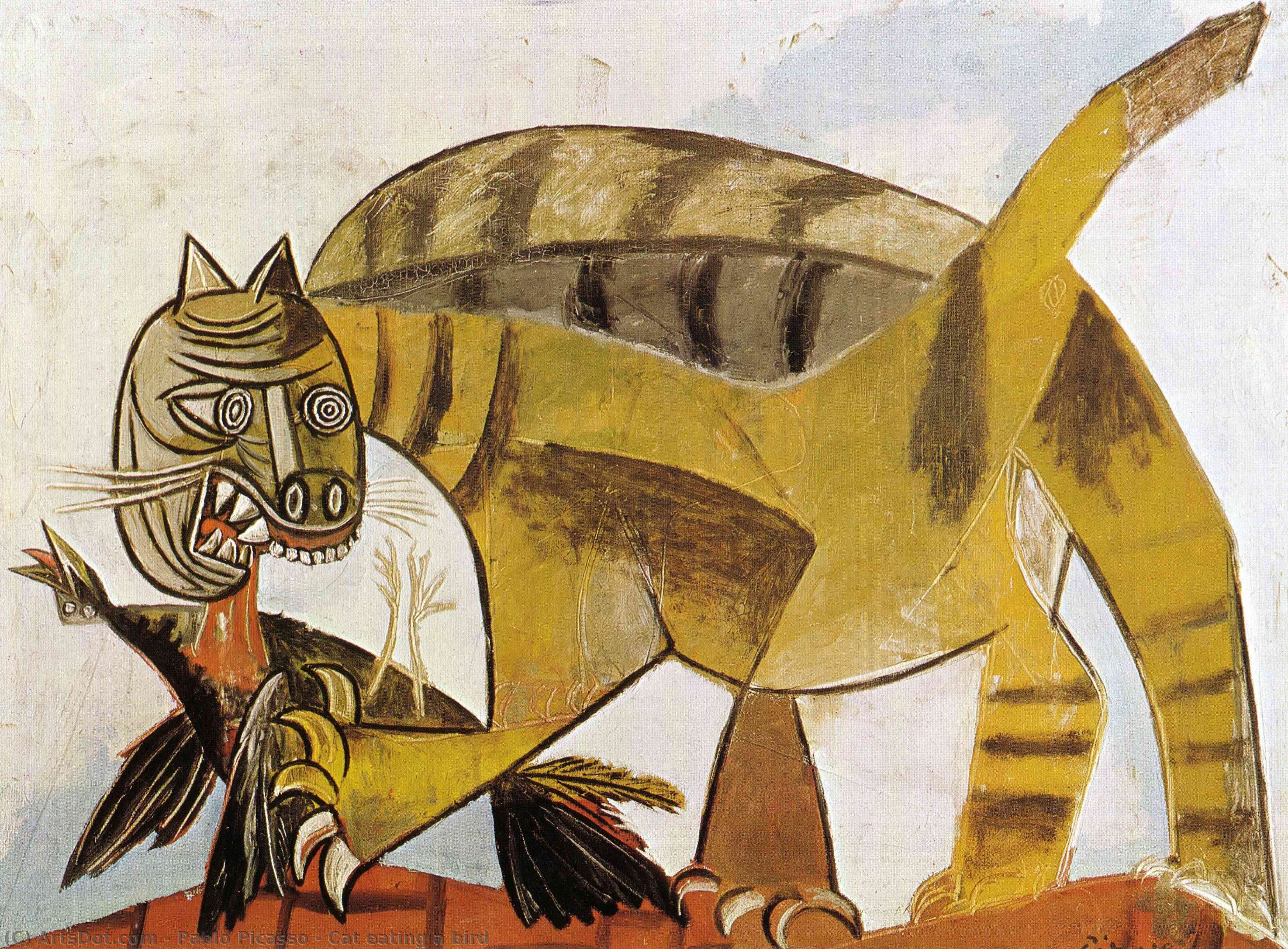
Cat eating a bird


 더 보기
더 보기




P118B $10

P118H $10

P118W $10

P438Z $10

P508JH $12

P508YH $12

P805H $10

P805Z $10

P919BZ $10

P919G $10

P919XJ $10

P959ZH $10

P968JZ $12

W106C $8

W218G $10

W218JH $8

W218Y $10

W307PJ $10

W316G $10

W316PJ $8

W316Y $10

W398PJ $8

W4111J $10

W500HY $15

W500JH $15

W692G $12

W849H $8

W940BG $15

W953PJ $8




작품의 원본 비율을 유지하는 미리 설정된 크기 중에서 선택하세요.

특정 프레임이나 공간에 맞춰 직접 치수를 입력하실 수 있습니다. 선택하신 사이즈가 원본 이미지의 비율과 일치하지 않을 경우, 작품을 크롭(자르기)하거나 이미지를 대칭 또는 단색 채우기로 확장하여 제작합니다. 제작 시작 전, 최종 확인을 위해 디지털 목업이 전송됩니다.
화면상의 미리보기는 실제 크롭이나 확장 상태를 반영하지 않으므로, 최종 구도는 오직 목업을 통해서만 정확하게 확인하실 수 있습니다.
맞춤 사이즈 제작도 가능하지만, 원본 비율을 유지하기 위해서는 사전 정의된 목록에서 치수를 선택하시는 것을 권장합니다.


 유리 옵션은 110cm 미만 크기에서만 선택 가능합니다.

Cat eating a bird
지클레 / 아트 프린트
복제본 크기
-


최종 결제 금액
-
작품 상세 설명
A Study in Predatory Instincts: Picasso’s ‘Cat Eating a Bird’
Pablo Picasso's 'Cat Eating a Bird,' painted in 1939, stands as a haunting testament to the artist’s exploration of primal forces and his profound engagement with the anxieties simmering beneath the surface of Europe during the tumultuous years leading up to World War II. More than just a depiction of an animal consuming its prey—a seemingly simple visual narrative—the painting operates on multiple levels of symbolic interpretation, reflecting Picasso's personal struggles and aligning powerfully with the broader artistic currents of Surrealism and Cubism.The Fractured Landscape of Cubist Vision
Picasso’s masterful application of Cubist principles immediately establishes ‘Cat Eating a Bird’ as an artwork unlike any other produced in its time. Abandoning traditional perspective, he dismantles recognizable forms into fragmented geometric planes—a technique pioneered by Picasso himself and Georges Braque—creating a disconcerting illusion of depth that defies conventional visual conventions. The cat's body is rendered with angular lines and overlapping shapes, mirroring the fractured reality experienced during wartime, while the bird beneath it appears similarly dissected, emphasizing its vulnerability against the dominant feline presence. This stylistic choice wasn’t merely aesthetic; it was deliberate—a conscious effort to convey a sense of instability and disorientation that mirrored the psychological landscape of the era.Symbolism Rooted in Trauma and Reflection
The imagery itself is laden with symbolic significance. The cat, depicted with piercing eyes and sharp claws, embodies aggression and dominance – representing not only the predatory instinct inherent in nature but also mirroring Picasso’s own anxieties surrounding violence and conflict. Its gaze directly confronts the viewer, injecting a palpable sense of unease into the composition. Conversely, the bird symbolizes innocence and fragility—a victim caught in the merciless grip of predation. This duality underscores Picasso's preoccupation with themes of death and loss, experiences profoundly shaped by his family’s tragedies during his formative years. The painting serves as an unflinching meditation on these weighty subjects, transforming a seemingly straightforward scene into a complex allegory for human experience.Technique and Texture: A Palette of Quiet Intensity
Picasso's meticulous technique contributes significantly to the artwork’s emotional impact. He employs muted earthy tones—ochre, umber, and burnt sienna—creating a textured surface that evokes the feeling of rough fabric or weathered stone. The artist skillfully incorporates sand into his paint mixture, enhancing this tactile quality and further emphasizing the painting's materiality. Details like the cat’s fur appear matted and dirty, reflecting Picasso’s preoccupation with decay and mortality. Simultaneously, the luminous glow emanating from the cat’s eyes suggests an otherworldly dimension—a subtle nod to Surrealist influences and hinting at a deeper psychological exploration.Legacy Beyond Representation: An Echo in Contemporary Art
‘Cat Eating a Bird’ continues to resonate powerfully within contemporary artistic discourse. Its fractured perspective and symbolic depth exemplify the enduring legacy of Cubism and Surrealism, demonstrating Picasso's unwavering commitment to challenging conventional notions of representation. Artists today often draw inspiration from this seminal work—particularly its exploration of psychological complexity and its willingness to confront uncomfortable truths—solidifying Picasso’s position as one of the most influential figures in 20th-century art history. A reproduction of ‘Cat Eating a Bird’ offers not merely an image but a gateway into understanding the anxieties and artistic innovations that defined a pivotal moment in European culture.작가 약력
혁명가의 삶: 파블로 피카소
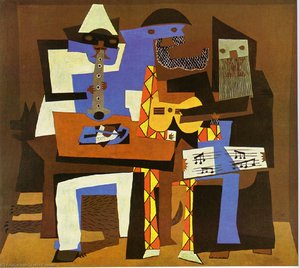
파블로 루이스 페르난데스 데 파우라 히곤 라미레스 데 라 사티시마 트리니다드 루이즈 이 피카소, 줄여서 파블로 피카소는 20세기 미술의 지형을 완전히 바꿔놓은 스페인의 화가이자 조각가였습니다. 1881년 10월 25일 스페인 말라가에서 태어난 그는 어린 시절부터 그림에 천부적인 재능을 보였으며, 아버지 호세 루이스 블라스코의 지도를 받으며 미술 교육을 시작했습니다. 피카소의 삶은 끊임없는 실험과 혁신의 여정이었고, 그의 작품들은 시대의 변화를 반영하며 현대 미술의 새로운 가능성을 제시했습니다. 어린 시절부터 보여준 자연주의적 재능은 빠르게 발전하여, 그는 전통적인 회화 기법을 넘어 자신만의 독창적인 예술 세계를 구축해 나갔습니다. 가족과 함께 코루냐와 바르셀로나로 이주하면서 겪었던 개인적인 비극들은 그의 작품에 슬픔과 죽음이라는 주제를 깊숙이 새겨 넣었습니다.푸른 시대와 장밋빛 시대: 감정의 파노라마
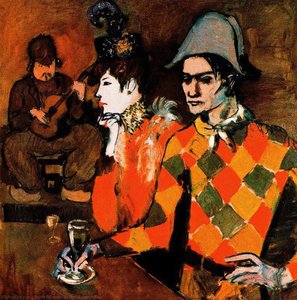
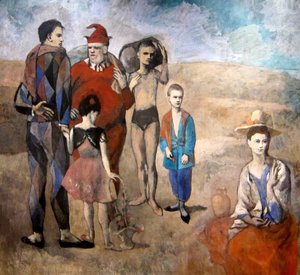
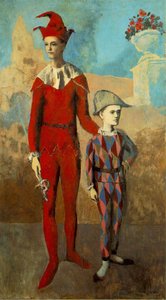
20세기 초, 피카소는 예술 세계에 두 가지 중요한 시대를 선사했습니다. 바로 ‘푸른 시대(1901-1904)’와 ‘장밋빛 시대(1904-1906)’입니다. 푸른 시대는 개인적인 고통과 사회적 고난 속에서 탄생한 것으로, 깊은 푸르름과 청록색이 지배하는 그림들로 특징지어집니다. 이 시기의 작품에는 소외된 사람들 – 구걸쟁이, 맹인, 매춘부 – 가 등장하며, 그들의 고독과 절망을 섬세하게 표현하고 있습니다. 대표작인 <라 비(La Vie)>와 <낡은 기타리스트(The Old Guitarist)>는 이 시대의 감정을 극적으로 보여주는 작품들입니다. 그러나 개인적인 삶의 변화와 파리에 정착하면서, 피카소는 장밋빛 시대로 접어듭니다. 팔레트는 분홍색, 주황색, 빨간색 등 따뜻한 색조로 채워졌고, 그의 그림은 이전보다 훨씬 낙관적이고 생기 넘치는 분위기를 자아냈습니다. 특히 서커스 단원들을 소재로 한 작품들은 이 시대의 대표적인 특징을 잘 보여줍니다. <곡예사 가족(Family of Saltimbanques)>은 이러한 변화를 엿볼 수 있는 아름다운 작품입니다.입체주의 혁명: 시각적 현실의 해체와 재구성
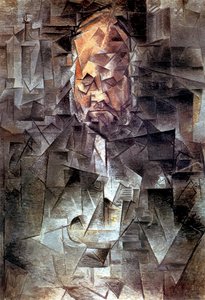
1907년, 피카소는 예술 역사에 길이 남을 기념비적인 작품 <아비뇽의 처녀들(Les Demoiselles d'Avignon)>을 발표했습니다. 이 작품은 전통적인 원근법과 표현 방식을 완전히 파괴하고 새로운 시각적 언어를 제시하며 입체주의 운동의 시작을 알렸습니다. 조르주 브라크와의 긴밀한 협력을 통해 피카소는 사물을 기하학적인 형태로 분해하고 재구성하는 입체주의를 발전시켰습니다. 분석적 입체주의(1909-1912)는 제한된 색상 팔레트를 사용하여 사물의 형태를 해부학적으로 묘사한 반면, 종합적 입체주의(1912-1919)는 신문 조각이나 천 조각과 같은 콜라주 요소를 도입하여 작품에 새로운 질감과 복잡성을 더했습니다. 피카소는 단순히 세상을 재현하는 것을 넘어, 그것을 해체하고 자신만의 방식으로 재구성함으로써 현대 미술의 새로운 지평을 열었습니다.끊임없는 실험 정신: 신고전주의, 초현실주의 그리고 전쟁
1920년대에는 잠시 신고전주의 양식을 탐구하며 웅장한 인물들을 창조하기도 했습니다. 동시에 피카소는 떠오르는 초현실주의 운동과도 교류했지만, 그 흐름에 완전히 동화되지는 않았습니다. 이 시기의 작품들은 이전의 스타일적 영향과 초현실적인 이미지, 왜곡된 원근법이 혼합되어 그의 끊임없는 실험 정신을 보여줍니다. 스페인 내전의 참상은 피카소에게 깊은 영향을 미쳤고, 그는 그 고통스러운 현실에 대한 분노와 슬픔을 <게르니카(Guernica)>라는 거대한 작품으로 표현했습니다. 이 작품은 전쟁의 비극과 폭력성을 생생하게 묘사하며 평화와 사회 정의를 위한 강력한 메시지를 전달합니다. 1950년대와 60년대에도 피카소는 도자, 조각, 판화 등 다양한 매체를 탐구하며 예술적 경계를 넓혀갔습니다. 1961년 자클린 루크와의 결혼은 그의 개인적인 삶과 예술적 표현에 새로운 영감을 불어넣었습니다.불멸의 유산
1973년 4월 8일, 피카소는 프랑스 무앙에서 세상을 떠났지만, 그가 남긴 작품들은 여전히 우리에게 깊은 감동과 영감을 선사합니다. 그의 예술적 영향력은 현대 미술 전반에 걸쳐 광범위하게 퍼져 있으며, 수많은 후대 화가들에게 지대한 영향을 미쳤습니다. 5만 개 이상의 작품을 남긴 피카소는 단순한 화가를 넘어 시대의 혁신가이자 예술계의 거인이었습니다. 그의 삶과 작품은 끊임없는 도전과 실험 정신을 통해 현대 미술의 새로운 가능성을 제시했으며, 오늘날까지도 전 세계 사람들에게 영감을 주고 있습니다.
피카소
1881 - 1973 , 스페인
주요 정보
- 국적: 스페인
- 대표작:
- 레 데미젤 딩 아비뇽
- 게르니카
- 늙은 기타리스트
- 사망일: 1973년 4월 8일
- 출생일: 1881년 10월 25일
- 출생지: 말라가, 스페인
관련 기사 더 보기
파블로 피카소의 걸작 25선: 예술과 영감의 세계 | OriginalUniqueArt
파블로 피카소의 시대를 초월하는 25개의 걸작을 만나보세요. 입체주의부터 꿈까지, 각 작품에 담긴 예술과 영감을 OriginalUniqueArt에서 감상하세요. 고품질 유화와 판화를 소장하고 특별한 공간을 완성해보세요! 지금 바로 OriginalUniqueArt.com에서 컬렉션을 탐험하세요.
Cubism's Revolution: 10 Masterpieces That Redefined Modern Art | OriginalUniqueArt
Explore 10 Cubist masterpieces by Picasso, Braque & more! Delve into the history of this revolutionary art movement. Find museum-quality reproductions and elevate your home decor with OriginalUniqueArt. Discover all masterpieces on OriginalUniqueArt.com
Cubist Expression: 10 Masterpieces That Revolutionized Modern Art | OriginalUniqueArt
Explore 10 Cubist masterpieces by Picasso, Braque & more! Discover the stories behind these revolutionary paintings and their impact on modern art. Find museum-quality reproductions for your home at OriginalUniqueArt.com – where art comes to life.
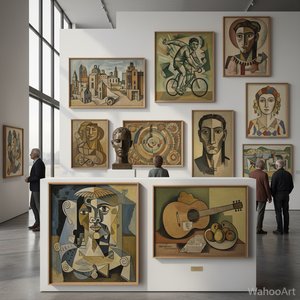
큐비즘을 정의한 10대 걸작: 예술과 인테리어의 새로운 차원
피카소, 브라크의 큐비즘 걸작 10선! 혁신적인 예술 세계를 만나보세요. 각 작품의 숨겨진 이야기와 감동을 OriginalUniqueArt에서 경험하고, 당신의 공간에 특별한 예술적 영감을 더하세요. 지금 바로 OriginalUniqueArt.com에서 모든 명작을 발견해보세요!
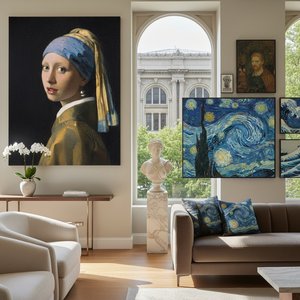
뉴욕 메트로폴리탄 미술관 최고 걸작 25선: 예술의 정수를 만나다 | OriginalUniqueArt
뉴욕 메트로폴리탄 미술관 최고 걸작 25선을 만나보세요. 반 고흐, 모네 등 거장들의 숨겨진 이야기와 예술의 정수를 감상하세요. 홈 데코를 위한 명화 복제 작품은 OriginalUniqueArt에서! 지금 바로 컬렉션을 탐험하세요.