프린트 판매로 전환
 상세 보기
상세 보기







































 가로 또는 세로 중 어느 한 면이라도 105cm(약 41인치)를 초과하는 작품이나 복제화의 경우, 프레임은 분해된 키트 형태로 배송됩니다. 이는 안전한 배송을 보장하고 운송 중 발생할 수 있는 손상을 방지하기 위함입니다.


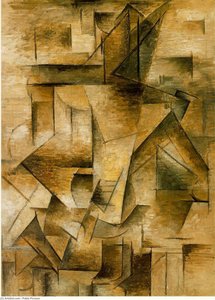
Buveuse d'absinthe: A Portrait of Quiet Contemplation
Pablo Picasso’s “Buveuse d’absinthe,” completed in 1902, is more than just a depiction of a woman; it’s a snapshot of Parisian bohemian life and a masterful exploration of psychological portraiture. Painted during Picasso's formative years—a period marked by experimentation with Cubism and grappling with personal loss—the artwork embodies the spirit of its time while simultaneously delving into themes of introspection and melancholy.
- Subject Matter: The painting portrays a woman seated at a table, seemingly absorbed in her thoughts. Her gaze downward suggests a profound contemplation, hinting at inner turmoil beneath a veneer of composure.
- Style & Technique: Picasso employs a fragmented Cubist style, characteristic of his early oeuvre. Geometric shapes dominate the composition—the table, chair, and even the woman’s torso are broken down into planes and facets—creating an illusionistic effect that defies traditional perspective. The muted palette contributes to the painting's somber mood.
- Historical Context: “Buveuse d’absinthe” emerged during a vibrant cultural landscape in Paris, where absinthe – a potent anise liqueur – was consumed widely by artists and intellectuals as a stimulant for creativity. Picasso himself frequented cafés frequented by bohemian figures, absorbing the atmosphere of intellectual discourse and artistic innovation.
Symbolism & Emotional Resonance
The woman’s posture—her hands resting on her face—is laden with symbolic significance. It represents vulnerability, introspection, and perhaps a desire to escape from external pressures. The inclusion of the wine glasses and bottle serves as subtle reminders of social rituals and indulgence, juxtaposed against the woman's solitary gaze.
- Wine Glasses & Bottle: These objects symbolize conviviality and pleasure but also highlight the woman’s isolation from others.
- Clock: The clock hanging on the wall above her head underscores the passage of time—a poignant reminder of mortality and the fleeting nature of experience.
A Legacy of Impressionistic Fragmentation
Picasso's masterful manipulation of form and color elevates “Buveuse d’absinthe” beyond mere representation, transforming it into an emotionally resonant portrait that captures a moment of quiet contemplation. It stands as a testament to Picasso’s pioneering approach to painting—a rejection of academic conventions in favor of subjective vision—and continues to fascinate viewers with its understated beauty and psychological depth.
- Influence: This artwork profoundly impacted the development of Cubism, establishing Picasso's reputation as a visionary artist who challenged artistic norms.
- Reproductions: High-quality reproductions of “Buveuse d’absinthe” offer art lovers and interior designers alike an opportunity to experience the painting's evocative atmosphere and intellectual complexity in their own homes.
질의응답
파블로 피카소의 "Buveuse d'absinthe"의 복제본을 어떻게 미리 볼 수 있나요?
파블로 피카소의 "Buveuse d'absinthe"의 복제본을 미리 보려면 작품의 미리보기 페이지를 열어주세요.
파블로 피카소의 "Buveuse d'absinthe"과(와) 유사한 작품을 어떻게 찾을 수 있나요?
"Buveuse d'absinthe"와 유사한 작품들은 해당 작품의 유사한 작품 페이지에서 확인하실 수 있습니다.
파블로 피카소의 "Buveuse d'absinthe"의 형식에는 어떤 배치가 어울릴까요?
파블로 피카소의 "Buveuse d'absinthe"의 작품 형태(Portrait)와 추천 공간(Coffee Shop)은 이 작품에 기록된 두 가지 배치 정보입니다.
More about this painting
 실제 크기로 보기
 보내기
보내기 공유하기
공유하기
 상세 보기
상세 보기 가이드 보기

 이미지 다운로드
 유사 작품 더 보기
 X-레이
X-레이 슬라이드 쇼 보기
 Q&A
Q&A 통계 정보
통계 정보