

 실제 크기로 보기
 보내기
보내기 공유하기
공유하기
 상세 보기
상세 보기 가이드 보기

 이미지 다운로드
 유사 작품 더 보기
 X-레이
X-레이 슬라이드 쇼 보기
 통계 정보
통계 정보Triumph of Death


 상세 보기
상세 보기
지클레 / 아트 프린트
빠른 제작과 다양한 마감 옵션을 선택할 수 있는 박물관 수준의 지클레이 및 캔버스 프린트. ( 수작업 채색 복제본 주문하기 디지털 이미지 판매 채널로 전환)




P118B $10

P118H $10

P118W $10

P438Z $10

P508JH $12

P508YH $12

P805H $10

P805Z $10

P919BZ $10

P919G $10

P919XJ $10

P959ZH $10

P968JZ $12

W106C $8

W218G $10

W218JH $8

W218Y $10

W307PJ $10

W316G $10

W316PJ $8

W316Y $10

W398PJ $8

W4111J $10

W500HY $15

W500JH $15

W692G $12

W849H $8

W940BG $15

W953PJ $8




작품의 원본 비율을 그대로 유지하는 프리셋 사이즈 중에서 선택해 보세요.

특정 프레임이나 공간에 맞춰 직접 치수를 입력하실 수 있습니다. 선택하신 사이즈가 원본 이미지의 비율과 일치하지 않을 경우, 작품을 크롭(자르기)하거나 이미지를 대칭 또는 단색 채우기로 확장하여 제작합니다. 제작 시작 전, 최종 확인을 위해 디지털 목업이 전송됩니다.
화면상의 미리보기는 실제 크롭이나 확장 상태를 반영하지 않으므로, 최종 구도는 오직 목업을 통해서만 정확하게 확인하실 수 있습니다.
맞춤 사이즈 제작도 가능하지만, 원본 비율을 유지하기 위해서는 사전 정의된 목록에서 치수를 선택하시는 것을 권장합니다.


 유리 옵션은 110cm 미만 크기에서만 선택 가능합니다.

Triumph of Death
지클레 / 아트 프린트
복제본 규격
-


총 결제 금액
$ 80
A Descent into Mortality: Otto Dix’s ‘Triumph of Death’
Otto Dix's "Triumph of Death," completed in 1934, is not merely a painting; it’s an immersive plunge into the heart of human despair. This monumental work, echoing Pieter Bruegel the Elder’s iconic “The Triumph of Death,” confronts viewers with a relentlessly bleak vision of mortality – a scene of chaotic carnage where death reigns supreme and all earthly pursuits are rendered utterly futile. Dix, deeply scarred by his experiences in World War I, channeled this trauma into a powerfully unsettling allegory, creating an image that resonates with primal fear and the inescapable truth of human existence.
- Historical Context: Created during the rise of extremism in Germany, "Triumph of Death" reflects Dix’s own disillusionment with society and his profound anxieties about the future. The painting's stark realism and unflinching depiction of death align with the broader Expressionist movement, which sought to convey subjective emotions and experiences rather than objective reality.
- Style & Technique: Dix employs a brutally realistic style, characteristic of German Expressionism, utilizing thick impasto brushstrokes that lend a visceral quality to the scene. The composition is deliberately jarring – figures are distorted, limbs are broken, and the overall effect is one of overwhelming chaos. He masterfully utilizes chiaroscuro, employing dramatic contrasts between light and shadow to heighten the sense of horror and emphasize the skeletal forms dominating the canvas.
Symbolism and Allegory
The painting’s symbolism is layered and profoundly disturbing. The central figure, a skeletal king wielding a scythe, immediately establishes death as the ultimate authority. Surrounding him are countless victims – soldiers, peasants, nobles – all equally vulnerable to the relentless advance of mortality. Dix deliberately avoids romanticizing death; instead, he presents it as a cold, indifferent force, stripping away any pretense of glory or significance. The inclusion of everyday objects – musical instruments, dice, and even a partially eaten meal – underscores the futility of human endeavors in the face of inevitable demise. Even the landscape itself is rendered bleak and desolate, mirroring the emotional state of the scene.
- Skeletal Figures: The overwhelming presence of skeletal figures represents the universality of death, transcending social status or individual identity.
- The Scythe: Symbolizes not just death but also the harvesting of souls.
- Distorted Forms: Reflect the psychological trauma experienced by Dix and contribute to the painting’s unsettling atmosphere.
A Masterclass in Oil Painting
Dix's technical skill is undeniable. He demonstrates a remarkable command of oil paint, layering colors with meticulous precision to create a rich, textured surface. The palette – dominated by browns, ochres, reds, and muted blues – contributes significantly to the painting’s somber mood. The artist’s use of perspective, though somewhat flattened, effectively conveys a sense of claustrophobia and intensifies the viewer's feeling of vulnerability within this terrifying tableau. The meticulous detail in rendering each individual figure, from the broken armor to the decaying flesh, adds to the painting’s unsettling realism. This work stands as a testament to Dix’s artistic prowess and his ability to translate profound emotional experience into a powerfully evocative visual statement.
Collecting ‘Triumph of Death’ – A Reproduction Opportunity
OriginalUniqueArt offers meticulously crafted hand-painted reproductions of Otto Dix's “Triumph of Death,” allowing you to bring this iconic artwork into your home or office. Our skilled artisans employ the same techniques and materials as Dix, ensuring an authentic representation of this profoundly moving masterpiece. Whether you are a seasoned art collector or simply seeking a unique piece of art that sparks conversation, a OriginalUniqueArt reproduction of “Triumph of Death” is a powerful addition to any collection – a constant reminder of life’s fragility and the enduring power of artistic expression.
작가 소개
초기 생애와 전쟁의 그림자
빌헬름 하인리히 오토 딕스는 1891년 독일 운터하우스에서 산업 노동과 조용한 예술적 갈망이 깊게 스며든 세상에 등장했습니다. 그의 아버지는 철물 공장에서 일했고, 어머니는 시적인 정신을 키워 젊은 오토의 창조적 성향을 은밀히 육성했습니다. 결정적으로 사촌 화가 프리츠 아마만의 영향력이 오토의 야망을 진정으로 불붙였습니다. 아마만 스튜디오에서 보낸 시간은 단순한 기술 레슨이 아니었습니다. 그것은 예술적 표현이 실질적인 힘을 가진 세상에 몰입하는 것이었습니다. 이러한 초기 노출은 칼 젠프와의 견습과 드레스덴 미술 공예 학교에서의 후속 연구로 이어졌지만, 처음에는 순수 회화보다는 응용 예술에 중점을 두었습니다. 그러나 제1차 세계 대전의 격변이 딕스의 예술적 궤도를 되돌릴 수 없이 바꾸었습니다. 자원 입대한 그는 참호전의 잔혹한 현실을 직접 경험했고, 이 트라우마는 수십 년 동안 그의 작품을 괴롭혔습니다. 솜 전투와 플랑드르 전투에서 목격한 공포는 유망한 풍경 화가를 인간의 고통과 사회적 부패를 기록하는 연대기 작가로 변화시켰습니다.바이마르 공화국과 새로운 사실주의
전쟁에서 심오하게 변화하여 돌아온 딕스는 자신의 경험을 전쟁 이후의 모습을 냉정하게 묘사하는 데 집중했습니다. 그의 초기 전후 작품은 표현주의적 경향을 반영했지만, 곧 *Neue Sachlichkeit*, 즉 새로운 객관주의라는 새로운 미학으로 기울었습니다. 이 운동은 감정적인 추상화를 거부하고 날카로운 사실주의와 비판적인 사회 논평을 선호했습니다. 딕스는 게오르크 그로츠 및 막스 베크만과 함께 이 운동의 주요 인물 중 한 명이 되었습니다. 참호 (1923)와 같은 그림은 절단된 신체의 그래픽 묘사로 인해 대중의 분노를 일으켰고, 박물관이 작품을 숨기도록 강요했습니다. 이것은 단순한 충격적인 가치가 아니었습니다. 그것은 관객에게 전쟁의 잔혹한 진실을 직면시키려는 의도적인 시도였으며, 영웅주의나 영광에 대한 모든 낭만적인 환상을 제거하는 것이었습니다. 그는 병사들에게 가해진 신체적 및 심리적 상처를 숨기지 않았고, 사회가 그들의 고통을 무시하는 것을 간과하지 않았습니다. 그의 회화 시리즈 전쟁 불구자는 이 주제를 더욱 강조하며, 사회가 잊으려고 애쓰는 퇴행적인 참전 용사들을 묘사했습니다. 전쟁 외에도 딕스는 바이마르 독일의 과잉과 도덕적 파산을 향한 시선을 돌렸습니다. 대도시 (1928)는 타락, 매춘 및 사회적 소외로 가득 찬 도시 생활에 대한 신랄한 비판입니다. 이 시대의 초상화도 마찬가지로 냉정하며, 시대 엘리트의 냉소주의와 퇴폐를 포착합니다.정치적 혼란과 후기
독일이 1930년대 정치적 혼란에 빠지면서 딕스는 나치 정권으로부터 점점 더 표적이 되었습니다. 그의 예술은 “퇴행적”으로 간주되었고, 그는 1933년 드레스덴 미술 아카데미의 교수직에서 해고되었습니다. 박해와 검열에 직면한 딕스는 노골적으로 정치적인 주제에서 점차 벗어나 풍경과 종교적인 주제로 전환했습니다. 그러나 이러한 후기 작품조차도 근본적인 긴장감과 불안감을 유지했습니다. 제2차 세계 대전 중 그는 다시 독일군에 징집되었고, 이 경험은 그의 반전 입장을 더욱 강화했습니다. 전쟁 이후 딕스는 새로운 인정과 찬사를 받았지만, 두 번의 갈등으로 인한 트라우마는 그의 예술에서 계속 울려 퍼졌습니다. 그는 전후 독일에서 존경받는 인물이 되었지만, 전쟁 경험의 그림자에서 완전히 벗어나지는 못했습니다.유산과 예술적 영향
오토 딕스의 예술적 유산은 다면적이고 지속적입니다. 그는 20세기 가장 중요한 독일 화가 중 한 명으로 남아 있으며, 타협하지 않는 사실주의, 신랄한 사회 비판 및 인간의 고통에 대한 냉정한 묘사로 유명합니다. 그의 영향력은 어려운 진실에 직면하고 사회 규범에 도전하려는 후대 예술가의 작품에서 볼 수 있습니다. 딕스의 기술적 숙련과 감정적 강렬함을 결합하는 능력은 그를 차별화했습니다. 그는 현실을 단순히 기록한 것이 아니라, 깊은 공감과 도덕적 분노의 렌즈를 통해 해석했습니다. 전쟁, 트라우마, 사회 불의 및 인간 조건에 대한 그의 탐구는 오늘날에도 관객에게 울려 퍼집니다. 그는 예술이 미학적으로 강력하고 정치적으로 참여할 수 있으며, 사회 변화를 위한 강력한 힘으로 작용할 수 있음을 보여주었습니다.- 딕스의 작품은 뉴욕 현대 미술관과 독일의 수어몬트-루드비히 박물관을 포함하여 전 세계 주요 박물관에 소장되어 있습니다.
- 그의 에칭, 특히 *전쟁*은 그래픽 아트의 걸작으로 간주됩니다.
- 그는 바이마르 독일의 예술적 및 사회적 풍경을 이해하는 데 중요한 인물로 남아 있습니다.

오토 딕스
1891 - 1969
작가 정보 요약
- Artistic Movement Or Style: 노이에 자흐리히트
- Artists Or Movements Influenced By This Artist: ['조르지 그로츠']
- Date Of Birth: 1891년 12월 2일
- Date Of Death: 1969년 7월 25일
- Full Name: 빌헬름 하인리히 오토 딕스
- Nationality: 독일
- Notable Artworks (List Of Titles):
- 참호
- 대도시
- 전쟁 불구자
- 전쟁
- Place Of Birth (City And Country): 독일 운터하우젠
관련 기사

The Northern Renaissance: A Flourishing of Realism, Religious Reform & Artistic Innovation
Explore the Northern Renaissance! Discover Jan van Eyck's innovations, religious shifts, & key artists of this influential period. Expert analysis and insights into Early Netherlandish painting at OriginalUniqueArt.

Elegance & Distortion: A Cultural Reflection on the Captivating World of Northern Mannerism
Embark on a cultural journey through Northern Mannerism. Discover how artists moved from Renaissance harmony to an era of elegant distortion, psychological depth, and exquisite tension in the 16th-century European art landscape.

Otto Dix: Trauma, Society & Artistic Rebellion in Weimar Germany
Explore the powerful and unsettling art of Otto Dix, a key figure of Neue Sachlichkeit. Discover his unflinching depictions of Weimar Germany's trauma, society, and war through insightful analysis & iconic masterpieces.

Northern Mannerism: The Bold Revolution of Elegant Distortion and High-Impact Tension
Explore the high-impact world of Northern Mannerism. Discover how artists mastered elegant distortion and psychological tension to revolutionize European art through bold, visually striking compositions for the modern collector.
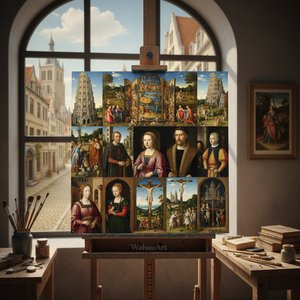
북부 르네상스 미술의 거장 10선: 예술과 품격으로 당신의 공간을 채우다
북부 르네상스 미술의 정수를 담은 10가지 대작! 뒤러, 반호이켄 등 거장의 작품으로 예술적 영감을 얻고, OriginalUniqueArt.com에서 고품격 아트 프린트와 인테리어 아이디어를 만나보세요. 지금 바로 온라인 컬렉션을 탐험하세요.


