

 실제 크기로 보기
 보내기
보내기 공유하기
공유하기
 상세 보기
상세 보기 가이드 보기

 이미지 다운로드
 유사 작품 더 보기
 X-레이
X-레이 슬라이드 쇼 보기
 통계 정보
통계 정보The Scholar

 상세 보기
상세 보기
이 페이지에 표시된 작품은 저작권법의 보호를 받으며, 이에 따라 동일한 복제품을 제작하거나 판매하는 것은 법으로 금지되어 있습니다. 이러한 권리 보호는 다음과 같은 국제 협약에 따라 시행됩니다. 베른 협약 또한 다음에서 명시하는 법률을 포함한 국내법에 의해 보호됩니다. 미국 저작권법 제17조.
저희는 존중을 담은 합법적인 대안으로서, 원작에서 영감을 받은 맞춤형 수제 유화 작품을 제공합니다. 저희의 숙련된 전문 화가들은 원작의 스타일, 분위기, 예술적 정수를 면밀히 연구하여, 그 자체로 독창적인 창작물이면서도 원작과 동일한 감동을 불러일으키는 새로운 작품을 만들어냅니다.
이 방식은 저작권 보호를 받는 예술 작품을 복제하거나 그대로 재현하는 것이 아니기에 저작권 규정을 완벽히 준수합니다. 대신, 이는 창의적인 재해석의 과정을 거칩니다. 즉, 원작에서 영감을 받되 원작과 동일하지 않은 새로운 회화 작품을 의미합니다.
핸드메이드 유화 복제화
작가가 직접 캔버스에 손으로 그린 유화 작품으로, 원하는 크기와 액자로 맞춤 제작해 드립니다. ( 프린트 판매로 전환 디지털 이미지 판매 채널로 전환)




































작품의 원본 비율을 그대로 유지하는 프리셋 사이즈 중에서 선택해 보세요.

액자나 벽면 크기에 맞춰 필요한 가로와 세로 길이를 입력해 주세요. 본 작품은 수작업으로 제작되므로, 요청하신 비율에 따라 작가가 그림의 가장자리를 조금 더 넓게 그리거나 일부를 조정하여 작업할 수 있습니다. 작업 시작 전, 최종 확인을 위해 디지털 목업 이미지를 보내드립니다. 이 페이지에 표시된 이미지는 실제 결과물과 다를 수 있으며, 오직 목업 이미지만이 정확한 결과물을 보여줍니다.
주문 완료 후 OriginalUniqueArt.com 팀에서 상세 안내를 위해 고객님께 이메일을 보내드리며, 미리보기 시안을 함께 제공해 드립니다.


 유리 옵션은 110cm 미만 크기에서만 선택 가능합니다.

The Scholar
재현 매체
복제본 규격
-


총 결제 금액
₩ 410582
작가 소개
A Legacy of Vision: The Life and Art of Osman Hamdi Bey
In the grand tapestry of late Ottoman history, few figures loom as large or as multifaceted as Osman Hamdi Bey. Born on December 30, 1842, into the upper echelons of Istanbul’s aristocracy—the eldest son of the Grand Vizier Ibrahim Edhem Pasha—Hamdi Bey was destined for a life of profound influence. His journey, however, was not merely one of inherited status but of self-forged intellectual mastery. While his early years were shaped by the political shifts of the Ottoman Empire, it was his immersion in the vibrant, academic atmosphere of Paris that would forever alter the course of Turkish art. Sent to France in 1860 to study law, the allure of the Seine and the burgeoning Impressionist movement redirected his destiny from the courtroom to the canvas, allowing him to absorb the rigorous techniques of Western academic realism.
Under the tutelage of masters such as Jean-Léon Gérôme and Gustave Boulanger, Hamdi Bey developed a meticulous command over light, texture, and form. Yet, he did not merely mimic the European style; instead, he performed a brilliant act of cultural synthesis. He utilized the tools of Western Orientalism to re-examine his own heritage through a lens of scholarly dignity and profound introspection. His work moved away from the exoticized, often superficial depictions of the East common in European studios, opting instead for a deeply nuanced portrayal of Ottoman life, intellect, and spirituality. Through his brush, the East was not an object of curiosity, but a subject of complex, lived reality.
The Painter as Scholar: Symbolism and Technique
To gaze upon a masterpiece by Osman Hamdi Bey is to enter a space of quiet contemplation and historical depth. His paintings are often characterized by a sense of stillness, where every object—a tile, a manuscript, or a flickering lamp—carries the weight of symbolic significance. In his most celebrated work, The Tortoise Trainer (1906), we see the pinnacle of this meditative approach. The painting, which many believe serves as a self-portrait, depicts an elderly man in the dignified robes of a dervish, engaged in the seemingly impossible task of training slow-moving tortoises. Here, the artist employs a sophisticated use of impasto and light to create a palpable sense of atmosphere, using the scene as a profound metaphor for the patience required for social reform and the slow, arduous progress of civilization.
His technical prowess extended into portraiture and genre painting, where he captured the essence of his subjects with startling realism. In works like Kokona Despina, the viewer is confronted with a weathered visage rendered with such precision that the very texture of time feels etched into the canvas. His ability to manipulate light—often casting soft, defining shadows that grant his figures a sculptural three-dimensionality—allows him to breathe life into the historical settings he depicts. Whether portraying the scholarly gravity of The Scholar or the intimate grace of Portrait of Naile Hanım, Bey’s work remains anchored in a deep respect for the human condition and the architectural splendor of his era.
Architect of Modernity: The Archaeologist and Museologist
Beyond the confines of the studio, Osman Hamdi Bey was a titan of institutional progress. He recognized that for a nation to move forward, it must first understand its foundations. As a pioneering archaeologist and administrator, he played an instrumental role in establishing the scientific study of the past within the Ottoman Empire. His tireless efforts led to the creation of the Istanbul Archaeology Museums, providing a sanctuary for the empire's vast and precious antiquities. By implementing legislation to regulate archaeological finds, he protected the cultural heritage of Anatolia from being lost to the tides of unregulated excavation.
His contributions to education were equally transformative. As the founder of the Istanbul Academy of Fine Arts (now known as Mimar Sinan Fine Arts University), he laid the groundwork for formal art education in Turkey, ensuring that future generations would have access to the same rigorous training that had shaped him. His legacy is thus twofold: he was both a creator of beauty and a protector of history. Through his dual roles as a painter and a museologist, Osman Hamdi Bey bridged the gap between the traditions of the East and the academic rigor of the West, leaving behind an indelible mark on the cultural identity of a modernizing nation.
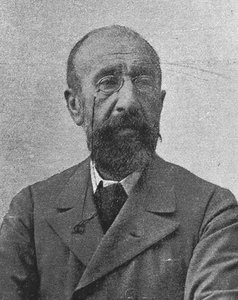
작가 정보 요약
- Artistic Movement Or Style: Orientalism
- Artists Or Movements Influenced By This Artist: ['Academic Art']
- Artists Who Influenced This Artist:
- Jean-Léon Gérôme
- Gustave Boulanger
- Date Of Birth: December 30, 1842
- Date Of Death: February 24, 1910
- Full Name: Osman Hamdi Bey
- Nationality: Ottoman Turkish
- Notable Artworks:
- Portrait of Naile Hanım
- Kokona Despina
- The Scholar
- Place Of Birth: Istanbul, Turkey
관련 기사

The Enduring Legacy of Oil on Canvas: Technique, History & Aesthetic Impact
Explore the rich history & techniques of oil painting – from Renaissance masters to Impressionism. Discover pigments, layering methods, and why this timeless medium endures. Expert insights for artists & art enthusiasts.

The Enduring Power of Painting: A Historical & Contemporary Exploration of Form and Emotion
Explore the rich history & enduring techniques of oil painting with OriginalUniqueArt. Discover masterpieces, learn about art collecting, and find authentic handmade reproductions crafted by skilled artists.

Oil on Canvas: A Historical & Technical Exploration of a Timeless Artistic Medium
Explore the rich history & enduring techniques of oil painting on canvas. Discover the science behind its longevity, conservation practices, and contemporary relevance. Expert insights for art enthusiasts.
The Timeless Charm of Oil on Board: Reimagining Texture and Light through the Impressionist Lens
Discover the profound intimacy of oil on panel. Explore how Impressionist masters used rigid supports to capture light, texture, and impasto depth through exquisite, handmade oil reproductions for discerning collectors.

캔버스의 유산: 기법, 역사 그리고 현대적 실천
유화의 역사와 기법부터 현대적 실천까지, 캔버스의 모든 것을 심도 있게 다룹니다. 주요 화가들의 작품 분석과 유화 제작 과정을 상세히 안내하며, 아트 컬렉션을 위한 최고의 정보를 제공합니다.