- 홈

- 캔버스 프린트
- orazio grevenbroeck
- Seascape
 Preview
 작품 구매하기
 공유하기
공유하기 공유하기
공유하기
 상세 정보
상세 정보

 다운로드
다운로드
 유사 작품
유사 작품 X-레이
X-레이 슬라이드 쇼
Seascape

 더 보기
더 보기




































Standard
custom
CM
INCH
작품의 원본 비율을 유지하는 미리 설정된 크기 중에서 선택하세요.
Loading sizes...

가로 너비
세로 길이
특정 프레임이나 공간에 맞춰 직접 치수를 입력하실 수 있습니다. 선택하신 사이즈가 원본 이미지의 비율과 일치하지 않을 경우, 작품을 크롭(자르기)하거나 이미지를 대칭 또는 단색 채우기로 확장하여 제작합니다. 제작 시작 전, 최종 확인을 위해 디지털 목업이 전송됩니다.
화면상의 미리보기는 실제 크롭이나 확장 상태를 반영하지 않으므로, 최종 구도는 오직 목업을 통해서만 정확하게 확인하실 수 있습니다.
맞춤 사이즈 제작도 가능하지만, 원본 비율을 유지하기 위해서는 사전 정의된 목록에서 치수를 선택하시는 것을 권장합니다.


 유리 옵션은 110cm 미만 크기에서만 선택 가능합니다.

Seascape
지클레 / 아트 프린트
복제본 크기
-


최종 결제 금액
-
작품 상세 설명
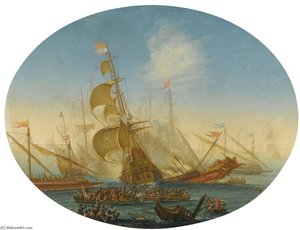
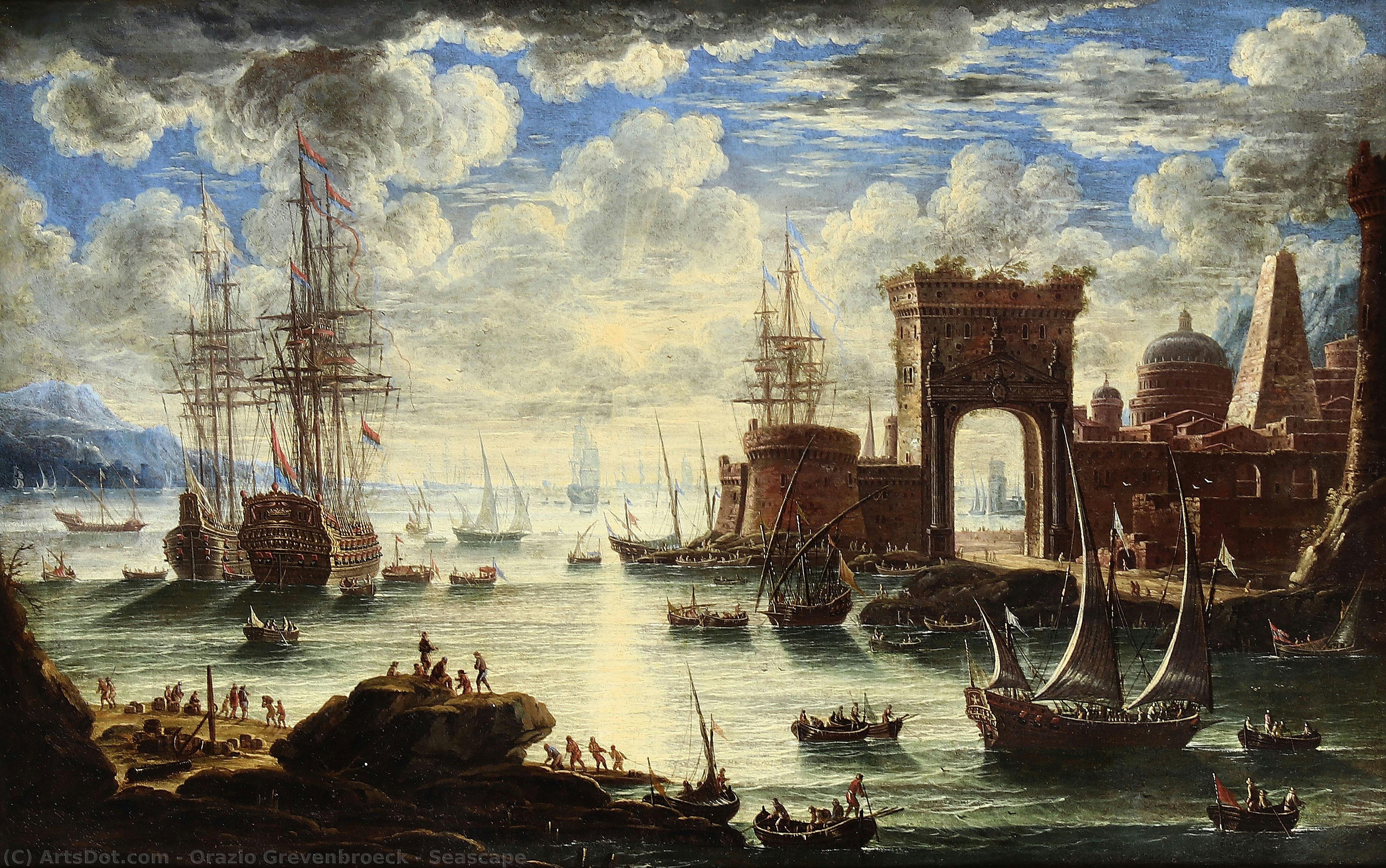
These two paintings were attributed to Orazio Grevenbroeck following the reconciliation of his works with a small group of other paintings with his signature. An artist whose birth and death dates, as well as his career path, are still unknown. His first name could lead to the assumption that he might have been born in Italy. But he is to be compared to the small Nordic masters of the end of the 17th century and the beginning of the 18th century, authors of compositions with Mediterranean accents such as thesetwo seascapes reminiscent of the famous ports of the Mediterranean by Jacobus Storck (1641-1693). Vast eclectic architecture of ancient and classical origin serves as the backdrop to these sea views animated by large caravels and smaller boats.From the texts by Sandrine Le Bideau in the catalog Flemish and Dutch paintings—Collection of the Châteauroux museums (Peintures Flamande et Hollandaise—Collection des Musées de Châteauroux) Somogy-Editions d
작가 약력
The Tempestuous World of Orazio Grevenbroeck: A Master of Maritime Drama
Orazio Grevenbroeck, a name resonating within the annals of maritime art, stands as a compelling figure whose canvases capture not merely scenes of harbors and battleships, but the very soul of the sea itself. While biographical details surrounding his life remain somewhat elusive – a common trait for artists operating in the vibrant yet often undocumented workshops of their time – the power and emotional depth of his work speak volumes. Emerging from an artistic lineage steeped in Dutch Golden Age traditions, Grevenbroeck carved a niche for himself specializing in dramatic seascapes and naval engagements, becoming a sought-after chronicler of maritime life and conflict. His paintings are not simply representations; they are immersive experiences, transporting the viewer to the heart of crashing waves, billowing sails, and the intense human drama unfolding upon the water’s surface.Early Influences & Artistic Development
Grevenbroeck's artistic journey likely began within the bustling art centers of the Low Countries. The Dutch Golden Age (roughly the 17th century) was a period of unprecedented prosperity and cultural flourishing, particularly in painting. Artists like Simon de Vlieger and Jan Porcellis were pioneering realistic seascape depictions, focusing on accurate ship rendering and atmospheric effects. It is within this tradition that Grevenbroeck found his foundation. However, he wasn’t merely an imitator. While inheriting the meticulous detail of Dutch marine painters, he infused his work with a distinctly Italianate sensibility – a heightened sense of drama, bolder compositions, and a more romanticized approach to light and shadow. This fusion suggests possible training or exposure to Italian art, perhaps through engravings or direct travel. His early works demonstrate a commitment to precise naval architecture, showcasing detailed renderings of various ship types prevalent during the 17th and 18th centuries. Over time, his focus shifted towards capturing the emotional impact of maritime events, moving beyond technical accuracy to convey the raw power of nature and the vulnerability of human endeavor.Themes & Techniques: Painting the Fury of the Ocean
The core of Grevenbroeck’s oeuvre lies in his depictions of the sea – not as a placid backdrop, but as an active protagonist. His canvases are populated with turbulent storms, towering waves threatening to engulf vessels, and harbors teeming with activity. Naval battles form a significant portion of his work, often portraying historical engagements with meticulous detail, yet always emphasizing the chaos and human cost of conflict. He masterfully employed techniques to convey this sense of drama. His brushwork is dynamic and expressive, particularly in rendering water – utilizing layers of impasto to create texture and movement. Light plays a crucial role, often contrasting sharply between illuminated crests of waves and the dark shadows engulfing ships and distant shores. He was adept at creating atmospheric perspective, using subtle gradations of color to suggest depth and distance. Furthermore, Grevenbroeck’s compositions are carefully constructed to draw the viewer's eye towards focal points – a struggling ship battling a storm, or the clash of opposing fleets in the midst of battle. The inclusion of smaller figures on deck adds a human element, emphasizing the scale of the ocean and the precariousness of life at sea.Historical Significance & Legacy
Orazio Grevenbroeck’s work provides valuable insight into the maritime world of the 17th and 18th centuries. His paintings serve as historical records, documenting ship designs, naval tactics, and harbor landscapes with remarkable accuracy. However, his significance extends beyond mere documentation. He captured a specific moment in history – an era of intense naval power, global exploration, and burgeoning trade.- His dramatic style resonated with collectors seeking evocative depictions of maritime life.
- He bridged the gap between Dutch realism and Italianate romanticism, influencing subsequent generations of marine painters.
- Grevenbroeck’s paintings offer a powerful visual representation of humanity's relationship with the sea – a blend of awe, respect, and vulnerability.