
 실제 크기로 보기
 보내기
보내기 공유하기
공유하기
 상세 보기
상세 보기 가이드 보기

 이미지 다운로드
 유사 작품 더 보기
 X-레이
X-레이 슬라이드 쇼 보기
 Q&A
Q&A 통계 정보
통계 정보The photographer

- 30.0 x 25.0 cm


 상세 보기
상세 보기
이 페이지에 표시된 작품은 저작권법의 보호를 받으며, 이에 따라 동일한 복제품을 제작하거나 판매하는 것은 법으로 금지되어 있습니다. 이러한 권리 보호는 다음과 같은 국제 협약에 따라 시행됩니다. 베른 협약 또한 다음에서 명시하는 법률을 포함한 국내법에 의해 보호됩니다. 미국 저작권법 제17조.
이 방식은 저작권 보호를 받는 예술 작품을 복제하거나 그대로 재현하는 것이 아니기에 저작권 규정을 완벽히 준수합니다. 대신, 이는 창의적인 재해석의 과정을 거칩니다. 즉, 원작에서 영감을 받되 원작과 동일하지 않은 새로운 회화 작품을 의미합니다.
지클레 / 아트 프린트
빠른 제작과 다양한 마감 옵션을 선택할 수 있는 박물관 수준의 지클레이 및 캔버스 프린트. ( 수작업 채색 복제본 주문하기 디지털 이미지 판매 채널로 전환)




































작품의 원본 비율을 그대로 유지하는 프리셋 사이즈 중에서 선택해 보세요.

액자나 벽면 크기에 맞춰 필요한 가로와 세로 길이를 입력해 주세요. 프린트는 원본 이미지보다 크게 제작할 수 없으며 오직 자르는 것만 가능하므로, 비율이 다른 사이즈를 선택할 경우 이미지의 일부가 잘려 나갈 수 있습니다. 인쇄 작업에 들어가기 전, 최종 확인을 위해 디지털 목업을 보내드립니다. 이 페이지에 표시된 이미지는 실제 잘리는 영역을 나타내지 않으며, 오직 목업을 통해서만 정확한 확인이 가능합니다.


 유리 옵션은 110cm 미만 크기에서만 선택 가능합니다.

The photographer
지클레 / 아트 프린트
복제본 규격
-


총 결제 금액
₩ 107587
질의응답
Olive Edith Cotton의 "The photographer"은 밝은 분위기의 작품인가요, 아니면 어두운 분위기의 작품인가요?
"The photographer"의 전체적인 밝기는 balanced이며, 휘도는 Gentle Luminance입니다.
증강 현실(AR)을 사용하여 제 방에 Olive Edith Cotton의 "The photographer"를 배치해 볼 수 있나요?
Olive Edith Cotton의 "The photographer"의 AR 미리보기 페이지에서는 증강 현실(AR) 기술을 사용하여 호환 가능한 기기를 통해 작품이 사용자의 공간에 배치된 모습을 미리 확인할 수 있습니다.
"The photographer"의 색상들이 서로 어떻게 조화를 이루고 있나요?
Olive Edith Cotton의 "The photographer"의 색채는 Unified Palette 조화를 보여줍니다. 조화란 색상들이 서로 어떻게 어우러지는지를 의미합니다.
작가 소개
Olive Edith Cotton: A Pioneer of Australian Modernist Photography
Olive Edith Cotton (1911-2003) stands as a pivotal figure in the history of Australian art, specifically within the realm of modernist photography. Born in Hornsby, Australia, her life was inextricably linked to the burgeoning artistic landscape of Sydney during the 1930s and 40s—a period marked by experimentation, intellectual fervor, and a profound engagement with visual language. Her legacy continues to inspire photographers today, cementing her place as one of the nation’s foremost modernist practitioners.- Early Life and Influences: Cotton's formative years were steeped in artistic appreciation thanks to her parents—Leo, a geologist who documented expeditions including Shackleton’s Antarctic voyage, and Florence Channon, a painter—and her extended family, which included an uncle, Frank Cotton, a professor of physiology. This intellectual environment fostered a deep understanding of both science and art, shaping Cotton's worldview and artistic sensibilities. Crucially, she encountered Max Dupain early in life, forging a friendship that would prove instrumental in her photographic journey. Dupain’s influence extended beyond companionship; he served as her first husband and collaborator, sharing a passion for capturing the essence of their surroundings.
- The Dawn of Photography: At just eleven years old, Cotton received a Kodak No.0 Box Brownie camera—a transformative gift that ignited her lifelong fascination with photography. Guided by her father’s encouragement and aided by his meticulous darkroom skills, she embarked on an autodidactic exploration of the craft, mastering techniques like film processing and printing. This early immersion established a foundation for Cotton's distinctive style.
- Formal Education and Artistic Development: Cotton pursued higher education at Methodist Ladies’ College and subsequently earned a Bachelor’s degree from the University of Sydney, majoring in English and Mathematics alongside music studies—a testament to her multifaceted intellectual curiosity. These academic pursuits honed her analytical skills while simultaneously nurturing her artistic sensibilities.
A Collaborative Spirit: Max Dupain and the Studio Aesthetic
Cotton’s professional life unfolded primarily within Max Dupain's studio in Bond Street, Sydney—a partnership that proved remarkably fruitful. Dupain recognized Cotton’s talent and encouraged her to embrace a distinctly personal approach to photography, prioritizing capturing subtle nuances of light and form. This collaborative dynamic allowed Cotton to hone her craft while simultaneously exploring the expressive potential of visual storytelling. Her work during this period showcased an acute awareness of composition and lighting—elements that would become hallmarks of her artistic style.- Notable Works: Cotton’s oeuvre is characterized by a remarkable sensitivity to detail and a masterful command of photographic technique. “Tea cup ballet” (1935), arguably her most iconic image, exemplifies this aesthetic—a deliberate manipulation of light and shadow to convey a thematic dance between the shapes of delicate china pieces. The photograph's inclusion on an Australian stamp commemorating 150 years of photography underscores its enduring cultural significance.
- Recognition and Exhibitions: Cotton’s work gained considerable acclaim during her lifetime, earning recognition from institutions such as the Art Institute of Chicago and the National Gallery of Australia. Her retrospective exhibition in 1985 solidified her reputation as a national treasure—a celebration of her pioneering contributions to Australian modernist photography.
The Legacy of Olive Cotton
Olive Edith Cotton’s influence extends far beyond her own artistic output. She served as an inspiration for subsequent generations of photographers, encouraging them to embrace experimentation and pursue innovative visual strategies. Her unwavering dedication to craft—coupled with her profound understanding of aesthetic principles—established a benchmark against which contemporary photography is still assessed. Cotton's enduring legacy resides not merely in the beauty of her images but also in their embodiment of a spirit of artistic inquiry that continues to resonate throughout Australian art history.
Olive Edith Cotton
1911 - 2003 , Australia
작가 정보 요약
- Full Name: Olive Edith Cotton
- Nationality: Australian
- Date Of Birth: 1911
- Date Of Death: 2003
- Place Of Birth: Hornsby, Australia
- Notable Artworks: ['Fashion shot, Cronulla Sandhills']
- Artistic Movement Or Style: Modernist photography
- Artists Who Influenced This Artist: ['Max Dupain']
- Artists Or Movements Influenced By This Artist: ['Harold Cazneaux']
관련 기사
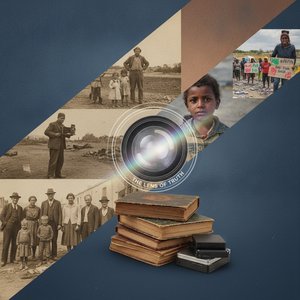
The Lens of Truth: A Comprehensive History and Legacy of Documentary Photography
Explore the profound history of documentary photography. From early daguerreotypes to social reform movements, discover how the lens captures truth, preserves vanishing cultures, and shapes our global visual narrative through an expert art-historical lens.

Beyond the Lens: Photography's Enduring Influence on Modern & Contemporary Art
Explore photography's pivotal role in shaping modern & contemporary art. Discover key movements, influential artists like Stieglitz, and expert collecting advice from OriginalUniqueArt.

Pictorialism: A Search for Artistic Photography's Soul – Aesthetics, Techniques & Legacy
Explore the captivating world of Pictorialism – a pivotal movement that transformed photography into fine art. Discover key artists like Stieglitz & Käsebier, techniques, and collecting tips from experts.

Monochrome Visions: Exploring the Aesthetic & Historical Significance of Black & White Photography
Explore the rich history & artistic power of black and white photography. From early techniques to iconic masters like Ansel Adams, discover why monochrome continues to captivate art lovers today. Expert insights for collectors.

Witnessing History Through Lens & Light: Documentary Photography's Enduring Legacy
Explore the powerful history of documentary photography – from its origins to contemporary masters like Gordon Parks & W. Eugene Smith. Discover how this art form shapes our understanding of society and witness pivotal moments in time.