프린트 판매로 전환
 상세 보기
상세 보기







































 가로 또는 세로 중 어느 한 면이라도 105cm(약 41인치)를 초과하는 작품이나 복제화의 경우, 프레임은 분해된 키트 형태로 배송됩니다. 이는 안전한 배송을 보장하고 운송 중 발생할 수 있는 손상을 방지하기 위함입니다.


Bell-Tower Keeper – An Exploration of Dreamlike Symbolism in Odilon Redon’s Late Style
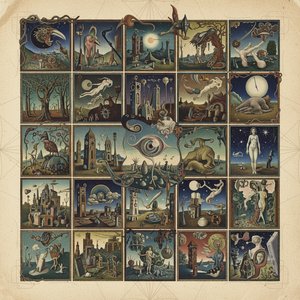
Odilon Redon's "Bell-Tower Keeper," painted in 1910, stands as a quintessential example of the Symbolist movement’s preoccupation with subconscious imagery and emotional resonance. More than just a portrait, it embodies Redon’s masterful manipulation of form and color to convey profound psychological states—a testament to his enduring influence on Surrealism and beyond.Subject Matter & Composition
The painting depicts a solitary figure positioned centrally against a dark, textured background reminiscent of volcanic rock formations. This stark contrast immediately establishes a dramatic tension, drawing the viewer’s gaze into the enigmatic expression etched upon the man's face. Two additional figures—positioned subtly on either side—suggest an unspoken narrative, hinting at contemplation and perhaps even apprehension. Redon eschews realistic representation, prioritizing instead the suggestion of form and emotion over precise detail. The figure’s upward gaze contributes to a feeling of yearning or aspiration, mirroring the tower itself – a symbol of resilience against adversity and reaching for unattainable heights.Technique & Material Considerations
Redon employed etching and lithography—techniques he honed during his formative years—to achieve an astonishing level of tonal gradation and textural complexity. The artist meticulously layered thin washes of pigment onto the canvas, creating a velvety surface that captures the subtle nuances of light and shadow. This painstaking process resulted in a monochrome composition dominated by shades of grey and black, punctuated by flashes of ochre and crimson – colors deliberately chosen to heighten emotional impact. These hues evoke associations with both earth’s primal forces and inner turmoil, reflecting Redon's fascination with geological landscapes as metaphors for the human psyche.Historical Context & Symbolism
Painted during a period marked by anxieties surrounding technological advancement and societal upheaval—the burgeoning Industrial Revolution alongside the looming shadow of World War I—"Bell-Tower Keeper" speaks to the broader concerns of its time. Redon’s Symbolist aesthetic aligns with the movement's desire to explore inner landscapes and confront existential questions, rejecting the rational optimism championed by Impressionism. The tower itself symbolizes aspiration, permanence, and perhaps even isolation – themes prevalent in Symbolist art. Furthermore, the figure’s posture conveys a sense of vulnerability amidst overwhelming forces, mirroring humanity’s struggle for meaning and transcendence.Emotional Impact & Artistic Legacy
Ultimately, “Bell-Tower Keeper” transcends mere visual depiction; it invites contemplation on themes of solitude, resilience, and the elusive nature of consciousness. Redon's masterful use of monochrome and textural layering creates an atmosphere of palpable unease—a deliberate provocation designed to unsettle the viewer’s perceptions. This artwork cemented Redon’s reputation as a visionary artist who anticipated Surrealist explorations into dreamlike states and subconscious symbolism. Its enduring power lies in its ability to communicate profound emotional truths without resorting to explicit narrative, securing its place as one of Redon's most iconic achievements and a cornerstone of Symbolist art history.질의응답
"Bell-Tower Keeper"의 Symbolist 양식에는 어떤 정서적 어조가 담겨 있나요?
"Bell-Tower Keeper"의 Reflective한 감정은 그 Symbolist 양식과 함께 어우러집니다.
"Bell-Tower Keeper"은(는) 어떤 색조에 가깝나요?
오디론 레논의 "Bell-Tower Keeper"에는 Golden Yellow Range 빛깔이 감돕니다.
1910년에 제작된 "Bell-Tower Keeper"은(는) 오디론 레논의 커리어 중 어느 시기에 해당하나요?
1910년에 제작된 "Bell-Tower Keeper"은(는) 오디론 레논의 Mature Period에 해당합니다.
More about this painting
 실제 크기로 보기
 보내기
보내기 공유하기
공유하기
 상세 보기
상세 보기 가이드 보기

 이미지 다운로드
 유사 작품 더 보기
 X-레이
X-레이 슬라이드 쇼 보기
 Q&A
Q&A 통계 정보
통계 정보