
 미리보기
미리보기
 공유하기
공유하기 공유하기
공유하기
 상세 정보
상세 정보 가이드 보기

 다운로드
다운로드
 유사 작품 더 보기
 X-레이
X-레이 슬라이드 쇼 보기
 질의응답
질의응답 통계 정보
통계 정보Peasant and his son

- 75.0 x 56.0 cm


 더 보기
더 보기
지클레 / 아트 프린트
빠른 제작과 다양한 마감 옵션을 제공하는 박물관 수준의 지클레이 및 캔버스 프린트. ( 수작업 채색 복제본 주문하기 디지털 이미지로 전환)




P118B ₩10

P118H ₩10

P118W ₩10

P438Z ₩10

P508JH ₩12

P508YH ₩12

P805H ₩10

P805Z ₩10

P919BZ ₩10

P919G ₩10

P919XJ ₩10

P959ZH ₩10

P968JZ ₩12

W106C ₩8

W218G ₩10

W218JH ₩8

W218Y ₩10

W307PJ ₩10

W316G ₩10

W316PJ ₩8

W316Y ₩10

W398PJ ₩8

W4111J ₩10

W500HY ₩15

W500JH ₩15

W692G ₩12

W849H ₩8

W940BG ₩15

W953PJ ₩8




작품의 원본 비율을 그대로 유지하는 프리셋 사이즈 중에서 선택해 보세요.

액자나 벽면 크기에 맞춰 필요한 가로와 세로 길이를 입력해 주세요. 프린트는 원본 이미지보다 크게 제작할 수 없으며 오직 자르는 것만 가능하므로, 비율이 다른 사이즈를 선택할 경우 이미지의 일부가 잘려 나갈 수 있습니다. 인쇄 작업에 들어가기 전, 최종 확인을 위해 디지털 목업을 보내드립니다. 이 페이지에 표시된 이미지는 실제 잘리는 영역을 나타내지 않으며, 오직 목업을 통해서만 정확한 확인이 가능합니다.


 유리 옵션은 110cm 미만 크기에서만 선택 가능합니다.

Peasant and his son
지클레 / 아트 프린트
복제본 크기
-


최종 결제 금액
₩ 108438
A Glimpse into Georgian Rural Life: Niko Pirosmani's "Peasant and his Son"
Niko Pirosmani’s “Peasant and his son,” painted in 1908, offers a poignant window into the soul of rural Georgia at the turn of the twentieth century. This vertical oil painting isn't merely a depiction of two figures; it is an embodiment of generational connection, quiet dignity, and the timeless rhythms of agricultural life. The scene unfolds outdoors, suggested by the tall stalks that rise in the background—resembling reeds or corn—creating a backdrop evocative of the Georgian countryside. An elderly man dominates the left side of the composition, his presence weighty and grounded, while his young son stands to the right, presenting something unseen to his father. This simple act forms the heart of the painting’s narrative, hinting at respect, inheritance, or perhaps the passing down of knowledge—a symbolic exchange that resonates across time and cultures. The overall impression is one of profound stillness, a moment captured in amber, inviting contemplation on themes of family, tradition, and the enduring strength of human bonds.The Language of Primitivism: Style and Technique
Pirosmani’s artistic style defies easy categorization, often described as primitivist or naive. He wasn't formally trained; his skill blossomed from a deep observation of the world around him and an innate ability to translate that vision onto canvas. This lack of formal training is evident in the painting’s deliberate simplicity—a flattened perspective characteristic of folk art traditions, where illusionistic space takes a backseat to emotional impact. The artist employs visible brushstrokes, layering oil paints to create texture, particularly noticeable in the man's beard and robes, lending them a tactile quality that draws the viewer closer. Lines are used purposefully to define forms – both figures and surrounding vegetation—creating a sense of solidity and depth despite the overall flatness. The palette is predominantly dark: browns, blacks, and muted reds dominate, contributing to a somber yet contemplative mood. This restrained use of color amplifies the painting’s emotional weight, focusing attention on the subjects' faces and their interaction. Pirosmani often worked on oilcloth rather than traditional canvas, a testament to his resourcefulness and perhaps adding another layer of rustic authenticity to his work.A Georgian Visionary: Context and Legacy
To fully appreciate “Peasant and his son,” it’s essential to understand the context in which it was created. Niko Pirosmani lived a life largely outside the mainstream art world, working various odd jobs while pursuing his passion for painting. He was a self-taught artist who captured the essence of Georgian culture with remarkable honesty and sensitivity. His work gained recognition later in his life thanks to the support of Russian poets and artists like Mikhail Le-Dantyu and Kirill Zdanevich, who championed his unique vision. Pirosmani’s style resonated with the burgeoning primitivist movement, which celebrated art created outside established academic traditions. He became a pivotal figure in 20th-century Georgian art, influencing generations of artists with his distinctive approach to subject matter and technique. His paintings offer invaluable insights into the social fabric and daily life of Georgia during a period of significant change and transition.Emotional Resonance: A Timeless Portrait
Beyond its historical significance and artistic merit, “Peasant and his son” possesses an undeniable emotional power. The painting evokes a sense of quiet dignity and timelessness—a feeling that transcends the specific time and place depicted. The connection between father and son is palpable, conveyed through their posture and gaze. There's a profound tenderness in the boy’s offering, and a gentle acceptance in the man’s response. This isn’t a grand narrative of triumph or tragedy; it’s a simple moment of human interaction elevated to something extraordinary by Pirosmani’s masterful touch. The painting invites viewers to reflect on their own relationships with family, tradition, and the enduring values that shape our lives—making it a work of art that continues to resonate deeply with audiences today.질의응답
니코 피로스마니의 "Peasant and his son"에서 어떤 색상이 주를 이루나요?
니코 피로스마니의 "Peasant and his son"의 색채 정체성: Black (#150d12)이(가) 주를 이루는 Earthy 팔레트.
니코 피로스마니의 "Peasant and his son" 작품은 어떤 크기로 프린트하는 것을 추천하시나요?
니코 피로스마니의 "Peasant and his son"의 권장 인쇄 사이즈는 Medium입니다.
니코 피로스마니의 "Peasant and his son"의 색감은 선명한 편인가요, 아니면 차분한 편인가요?
니코 피로스마니의 "Peasant and his son"은(는) Muted의 채도로 표현되었습니다.
작가 정보
격동의 삶과 순수한 시선, 니코 피로스마니
1862년 조지아 카케티 지방의 작은 마을 미르자아니에서 태어난 니코 피로스마니는 격동적인 시대와 가혹한 현실 속에서도 자신만의 독특한 예술 세계를 구축한 화가입니다. 그의 어린 시절은 불행으로 점철되었습니다. 농부였던 부모님을 여의고 두 언니의 보살핌 아래 자랐지만, 삶은 그에게 쉽게 관대하지 않았습니다. 정규 교육을 받지 못했지만, 그는 자연과 사람들에 대한 깊은 애정을 품고 살았습니다. 피로스마니는 일찍부터 그림에 재능을 보였지만, 화가의 길을 걷는 것은 쉽지 않았습니다. 생계를 위해 다양한 직업을 전전하며 힘겹게 살아갔지만, 그의 예술에 대한 열정은 꺼지지 않았습니다.소박함 속에 빛나는 프루미티비즘
피로스마니의 그림은 흔히 ‘프루미티비즘’으로 분류됩니다. 이는 학문적인 기교나 정형화된 표현 방식을 따르지 않고, 순수하고 직관적인 시선으로 세상을 담아내는 예술 경향을 의미합니다. 그의 작품들은 화려하거나 복잡하지 않습니다. 오히려 소박하고 단순한 형태와 색채를 통해 강렬한 인상을 남깁니다. 특히 그는 기름천(oilcloth)이라는 독특한 재료를 주로 사용했는데, 이는 당시 가난했던 그의 처지를 반영하는 동시에, 그림에 거친 질감과 독특한 분위기를 부여했습니다. 피로스마니는 일상생활의 풍경, 농촌 사람들의 모습, 그리고 전통적인 결혼식 장면 등을 즐겨 그렸습니다. 그의 그림 속 인물들은 정면을 응시하며 관람객에게 직접적으로 다가오는 듯한 느낌을 줍니다. 이러한 표현 방식은 당시 유럽 미술계에서 유행하던 사실주의나 인상주의와는 확연히 다른 독창적인 스타일로 평가받고 있습니다.조지아 문화의 정수를 담은 작품들
피로스마니의 대표작으로는 무샤와 포도주 가죽통, 조지아 결혼식, 그리고 러시아 시인 미하일 레-단튜의 초상화 등이 있습니다. 무샤와 포도주 가죽통은 조지아 문화의 상징적인 이미지를 담고 있으며, 그의 뛰어난 관찰력과 표현력을 보여주는 작품입니다. 조지아 결혼식은 전통적인 조지아 결혼식의 활기 넘치는 분위기를 생생하게 묘사하고 있습니다. 특히 그는 인물들의 표정과 동작을 과장되게 표현하여 그림에 역동성을 부여했습니다. 미하일 레-단튜의 초상화는 러시아 시인 키릴 즈다네비치와 그의 동생 일리아 즈다네비치의 적극적인 후원을 받아 탄생한 작품입니다. 이 초상화를 통해 피로스마니는 예술계에 이름을 알리게 되었고, 이후 다양한 전시회에 참여할 수 있게 되었습니다.예술적 인정과 역사적 의미
피로스마니의 삶은 가난과 고독으로 점철되었지만, 그의 작품들은 사후에 큰 주목을 받았습니다. 1918년 조지아 화가들의 첫 번째 대규모 전시회에서 그의 작품들이 소개되면서 그는 비로소 예술가로서 인정받기 시작했습니다. 오늘날 그의 그림은 조지아 미술관과 시그나기의 역사-민족학 박물관에 소장되어 있으며, 매년 수십만 명의 관람객이 방문하고 있습니다. 피로스마니는 단순한 화가를 넘어 조지아 문화와 역사를 대표하는 상징적인 존재가 되었습니다. 그의 작품들은 조지아 사람들의 삶과 문화를 담고 있으며, 그들의 정체성을 형성하는 데 중요한 역할을 했습니다. 또한 그는 학문적인 교육을 받지 않고도 자신만의 독창적인 예술 세계를 구축했다는 점에서 많은 예술가들에게 영감을 주고 있습니다. 피로스마니의 이야기는 예술에 대한 열정과 끊임없는 노력으로 불가능을 극복하고 꿈을 이룰 수 있다는 희망을 보여주는 감동적인 사례입니다.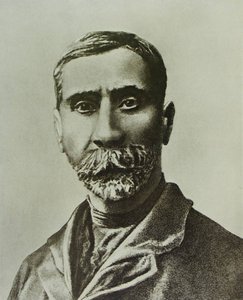
니코 피로스마니
1862 - 1918 , 조지아
작가 정보 요약
- 국적: 조지아인
- 사망일: 1918년 4월 9일
- 영향을 준 예술가: ['블라디미르 라도 구디아슈빌리']
- 예술 사조: 원시주의 미술
- 이름: 니콜라이 아슬라노비치 피로스마나슈빌리
- 주요 작품:
- 무샤 와인병과 함께
- 조지아 결혼식
- 즈다네비치 초상화
- 출생일: 1862년 5월 5일
- 출생지: 미르자아니, 카케티 지방, 조지아
관련 콘텐츠
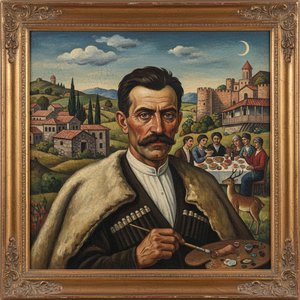
Niko Pirosmani: A Georgian Visionary – Life, Legacy, and the Poetics of Outsider Art
Discover the captivating life & art of Niko Pirosmani, Georgia’s celebrated primitivist painter. Explore his unique oilcloth paintings, lasting influence, and enduring legacy with OriginalUniqueArt.
Cultivating Visions: Rural Life & Social Commentary in Art History
Explore the rich history of rural life in art! Discover masterpieces from Dutch Masters to Van Gogh & Courbet. Uncover artistic movements, social significance & expert collecting insights at OriginalUniqueArt.
Cultivating Visions: A Historical Exploration of Rural Life in Painting
Explore the rich history of rural life in painting! Discover masterpieces from Dutch Masters to Courbet & Watteau. Uncover the artistic and social significance of idyllic landscapes and peasant scenes.

Echoes of Rural Life: Nostalgia, Labor & Identity in Art History
Explore the rich history of rural life in art! Discover how Realism captured labor & identity through masterpieces by Van Gogh, Millet & more. Expert analysis for collectors and enthusiasts.

Echoes of Rural Life: Art's Enduring Representations of the Countryside
Explore the rich history of rural life in art! Discover masterpieces from Millet to Mauve & beyond. Learn about Realism, Barbizon School & find inspiration for your home with OriginalUniqueArt.
