 미리보기
미리보기
 프린트 구매
 공유하기
공유하기 공유하기
공유하기
 상세 정보
상세 정보

 다운로드
다운로드
 유사 작품
유사 작품 X-레이
X-레이 슬라이드 쇼
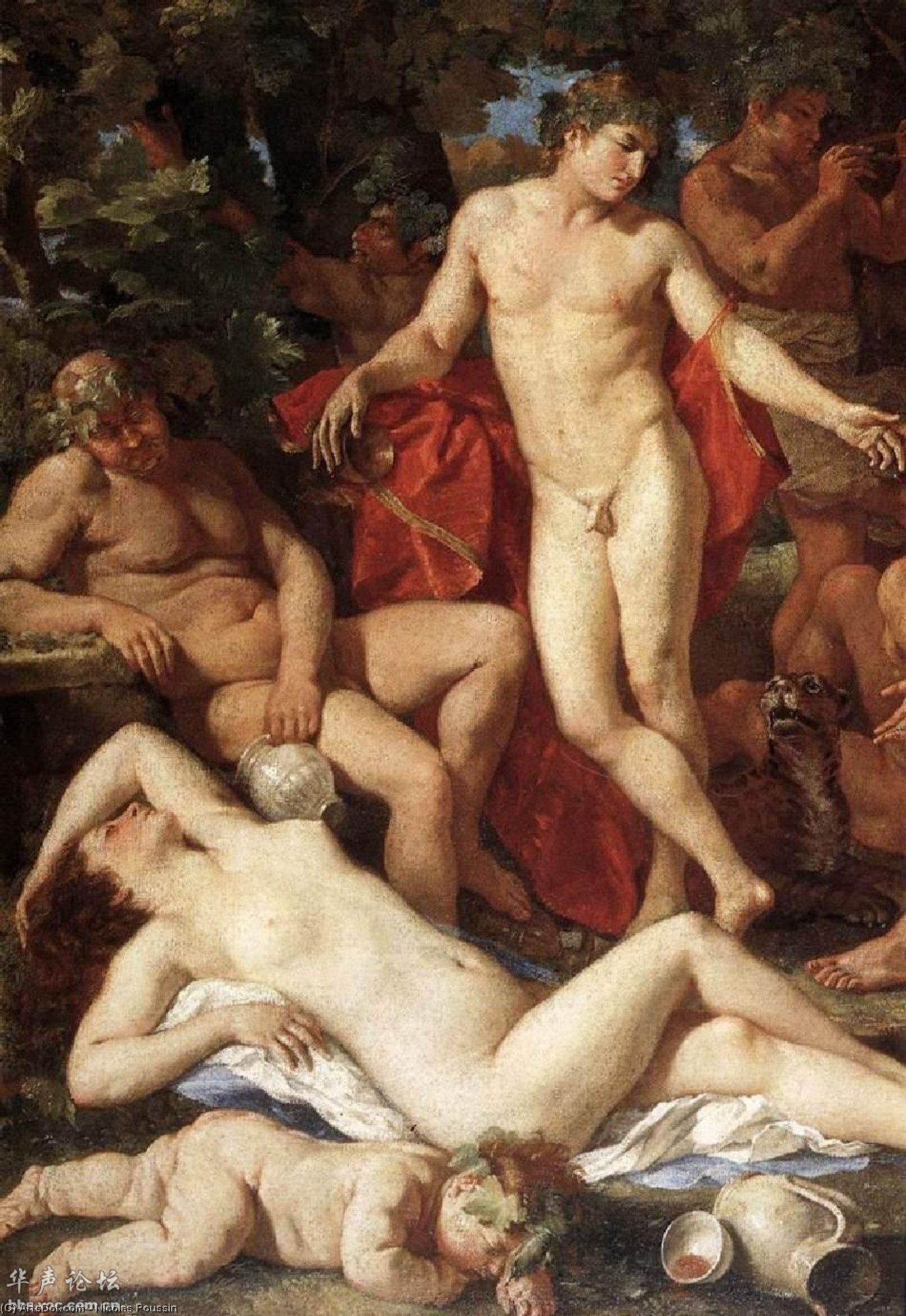
Midas and Bacchus (detail)


 더 보기
더 보기




P118B $10

P118H $10

P118W $10

P438Z $10

P508JH $12

P508YH $12

P805H $10

P805Z $10

P919BZ $10

P919G $10

P919XJ $10

P959ZH $10

P968JZ $12

W106C $8

W218G $10

W218JH $8

W218Y $10

W307PJ $10

W316G $10

W316PJ $8

W316Y $10

W398PJ $8

W4111J $10

W500HY $15

W500JH $15

W692G $12

W849H $8

W940BG $15

W953PJ $8




작품의 원본 비율을 유지하는 미리 설정된 크기 중에서 선택하세요.

특정 프레임이나 공간에 맞도록 직접 크기를 입력할 수 있습니다. 선택하신 크기가 원본 이미지의 비율과 일치하지 않는 경우, 작품을 자르거나 추가적인 손으로 그린 요소를 사용하여 그림을 확장합니다. 제작 시작 전 승인을 위해 디지털 목업을 보내드립니다.
화면 미리 보기는 실제 자르기 또는 확장을 반영하지 않습니다. 최종 구성은 목업을 통해서만 정확하게 확인하실 수 있습니다.
맞춤 크기 제작도 가능하지만, 원본 비율을 유지하기 위해 사전 정의된 목록에서 크기를 선택하시는 것을 권장합니다.
주문 후 OriginalUniqueArt.com 팀에서 상세 안내를 위해 고객님께 이메일을 보내드리며, 미리보기 시안을 제공해 드립니다.


 유리 옵션은 110cm 미만 크기에서만 선택 가능합니다.

Midas and Bacchus (detail)
재현 기법
복제본 크기
-


최종 결제 금액
$ 300
작품 상세 설명
A Divine Encounter in the Arcadian Wild
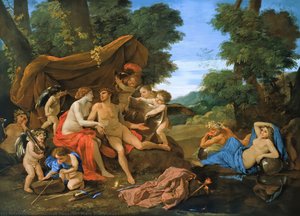
In the heart of a lush, sun-drenched landscape, Nicolas Poussin captures a moment of profound spiritual and psychological tension in his masterpiece, Midas and Bacchus. Created during the height of his Roman period around 1629, this work is far more than a mere mythological illustration; it is a dramatic tableau of repentance and divine grace. The scene centers on the legendary King Midas, whose avarice once led him to request the golden touch—a gift that ultimately became his curse. Here, we witness the king in a state of humble supplication, kneeling before the god Bacchus. The air is thick with the weight of this encounter, as the deity stands poised with a cup in hand, his presence both commanding and compassionate, offering a reprieve from the heavy burden of wealth.
The composition is a masterclass in classical disegno, utilizing a structured, pyramidal arrangement that guides the viewer’s eye through a complex social hierarchy. While Midas and Bacchus anchor the emotional core of the painting, the surrounding landscape is teeming with life. A sleeping nymph rests peacefully in the foreground, her innocence contrasting with the heavy themes of greed and divinity, while fauns and attendants populate the midground, engaged in various states of revelry and repose. This layering creates a sense of immense depth, inviting the collector to linger on every detail, from the playful antics of boys with a goat to the distant, hazy mountains that suggest an infinite, Arcadian world.
The Mastery of Light and Classical Order
Poussin’s technical prowess is on full display through his sophisticated use of light and atmospheric perspective. Eschewing the chaotic shadows of some of his Baroque contemporaries, Poussin employs a luminous clarity that defines the contours of each figure with sculptural precision. He utilizes sfumato to soften the distant horizon, creating an ethereal, dreamlike quality that separates the immediate, tactile reality of the figures from the eternal landscape beyond. This technique does not merely provide depth; it imbue the scene with a sense of timelessness, as if the viewer has stumbled upon a sacred moment frozen in the amber of history.
For the discerning interior designer or art enthusiast, this painting offers a rich palette of deep blues, vibrant yellows, and earthy greens that can serve as a sophisticated focal point in any grand setting. The interplay of light across the textures of silk, skin, and stone provides a sensory experience that elevates a room's atmosphere from simple decoration to a curated gallery experience. To possess a reproduction of this work is to bring into one's home the intellectual rigor of French Classicism and the emotive power of the Baroque era.
Symbolism and the Eternal Human Condition
Beyond its visual splendor, Midas and Bacchus serves as a profound meditation on the human condition. The painting explores the duality of desire—the hunger for material gain versus the soul's need for spiritual liberation. Midas’s blue vesture and yellow mantle act as visual symbols of his earthly station and the very gold that haunts him, while the presence of wine vessels and festive attendants reminds us of the fleeting nature of sensory pleasure. It is a narrative of transformation, where the heavy weight of greed is met with the lightness of divine mercy.
This artwork resonates deeply with those who appreciate art that tells a story of resilience and redemption. Whether displayed in a sunlit library or a formal dining hall, the painting’s ability to provoke thought and conversation makes it an incomparable piece for any serious collection. It stands as a testament to Poussin's ability to weave complex theological and mythological themes into a visual language that remains as captivating today as it was in the seventeenth century.
작가 약력
빛과 이성의 조화: 니콜라 푸생의 삶과 예술
니콜라 푸생은 프랑스 바로크 회화를 대표하는 거장이지만, 그의 영혼은 대부분의 생애를 이탈리아 토양 속에서 키워냈습니다. 1594년 노르망디 레 안들리에서 태어난 그는 어린 시절부터 그림에 재능을 보였고, 지역 화가 퀴탱 바랭에게 기초적인 기법을 익혔습니다. 파리에서 잠시 활동하며 조르주 라레망과 페르디낭 엘레의 영향을 받았지만, 그의 예술적 운명을 결정짓는 것은 1624년 로마로 떠난 여정이었을 것입니다. 로마는 푸생에게 단순한 작업 공간 이상의 의미를 지녔습니다. 고대 문명의 심장부에서 그는 끊임없이 영감을 얻었고, 이는 그의 작품 전반에 걸쳐 나타나는 고전주의적 특징의 근원이 되었습니다. 초기에는 티치아노와 같은 베네치아 화가들의 영향을 받아 감각적인 색채를 탐구했지만, 곧 이성을 중시하고 명확한 구도를 선호하는 자신만의 스타일을 확립해 나갔습니다.로마 시대: 고전적 이상 추구
로마에서 푸생은 카시아노 달 포초와 같은 학자, 고고학자, 그리고 동료 화가들과 교류하며 지적인 토론을 나누었습니다. 특히 카시아노는 고대 유적을 꼼꼼하게 기록하는 데 몰두했는데, 이는 푸생에게 역사적 정확성과 시대를 초월한 아름다움을 작품에 담고자 하는 열망을 심어주었습니다. 그는 라파엘로의 작품들을 깊이 연구하며 조화로운 구성과 우아한 형태를 흡수했으며, 고대 조각상과 오비디우스의 『변신 이야기』와 같은 문학 작품에서도 영감을 얻었습니다. 이 시기 푸생은 점차 화려하고 감정을 격렬하게 드러내는 바로크 양식에서 벗어나 명확성, 균형, 그리고 선명한 구성을 강조하는 스타일을 발전시켰습니다. 그의 그림들은 종교적, 역사적 주제를 다루었지만, 단순한 이야기 전달을 넘어선 철학적 깊이와 상징적인 의미를 담고 있었습니다.역사, 신화, 그리고 신성: 주제의 다양성과 심오함
푸생은 다양한 주제를 탐구했지만, 그의 작품들은 일관되게 고전주의적 원칙에 기반했습니다. 그는 게르마니쿠스의 죽음과 같은 고대 역사를 묘사하며 비장하고 품위 있는 분위기를 연출했고, 신화 속 이야기를 통해 인간 본성을 탐구하며 도덕적인 교훈을 전달하고자 했습니다. 특히 *아르카디아* 시리즈는 그의 철학적 깊이를 보여주는 대표작으로, 죽음과 기억의 힘에 대한 성찰을 담고 있습니다. 또한 그는 *7가지 성사* 연작과 같이 종교적인 주제를 다루면서도 과도한 감정 표현을 자제하고 고요하고 엄숙한 분위기를 유지했습니다. 그의 후기 작품에서는 광활한 풍경이 더욱 중요하게 부각되었는데, 이는 현실과 이상이 조화를 이루는 아름다운 자연 경관을 통해 인간의 내면 세계를 표현하고자 한 시도였습니다.프랑스 예술에 미친 영향: 고전주의의 초석
푸생은 대부분의 생애를 이탈리아에서 보냈지만, 프랑스 예술에 지대한 영향을 미쳤습니다. 1640년 리슐리외 추기경의 요청으로 잠시 프랑스로 돌아가 왕실 화가가 되었으나, 궁중 생활의 부담과 권력 다툼을 견디지 못하고 곧 로마로 귀환했습니다. 그는 프랑스 왕립 회화 및 조각 아카데미에서 중요한 역할을 수행하며 고전주의 예술 교육의 기준을 확립하는 데 기여했습니다. 그의 엄격한 접근 방식과 지적인 깊이는 자크 루이 다비드와 폴 세잔과 같은 후대 화가들에게 영감을 주었으며, 단순한 스타일 모방을 넘어 프랑스 고전주의 미술의 초석을 다지는 역할을 했습니다. 푸생은 예술을 통해 이성과 아름다움을 추구하며 시대를 초월하는 가치를 창조하고자 했던 위대한 예술가였습니다.- 대표작: *게르마니쿠스의 죽음*, *7가지 성사 연작*, *로마의 길*, *맹인 오리온*, *계절*.
- 주요 특징: 고전적 구성, 선명한 윤곽선, 역사 및 신화 주제, 고요한 풍경.

니콜라 푸생
1594 - 1665 , 프랑스
주요 정보
- 국적: 프랑스
- 영향받은 예술가:
- 자크 루이 다비드
- 폴 세잔
- 영향을 준 예술가:
- 라파엘로
- 티치아노
- 예술 사조: 바로크, 고전주의
- 전체 이름: 니콜라 푸생
- 주요 작품:
- Germanicus의 죽음
- 7가지 성사 연작
- 로마 도로
- 눈먼 오리온
- 계절
- 출생일: 1594년 6월
관련 기사 더 보기
Nicolas Poussin: Classicism, Allegory & Order in 17th-Century French Painting
Explore the life & work of Nicolas Poussin, a master of French Classicism. Discover his allegorical paintings, Roman influences, and enduring impact on art history. Expert analysis & insights.
Echoes of Olympus: Mythological Narratives in Western Art Through the Ages
Explore the captivating history of mythological narratives in Western art! From ancient Greece to modern masterpieces, discover iconic artworks & symbolism. Expert analysis and high-quality reproductions at OriginalUniqueArt.

바로크의 드라마: 현대 인테리어에 풍요로움과 감동을 불어넣기
바로크 예술의 풍요로운 세계를 탐험하고, 현대 인테리어에 감동을 불어넣는 방법을 OriginalUniqueArt에서 만나보세요. 카라바조, 렘브란트 등 거장들의 작품과 키아로스쿠로 기법 활용 노하우를 공개합니다.
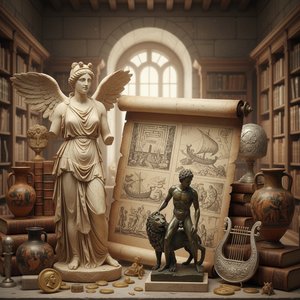
Timeless Legends: A Curated Guide to the Eternal Allure of Mythological Masterpieces
Embark on a sophisticated journey through the eternal allure of mythological art. Discover how master painters breathe life into ancient legends, from Greek deities to Baroque masterpieces, and learn to curate these timeless narratives within your own exquisite art collection.

The Dramatic Flourish: Exploring the Baroque Movement's Enduring Legacy in Art History
Explore the dramatic world of Baroque art! Discover iconic artists like Caravaggio & Rubens, defining techniques, and its lasting impact on art history. Expert insights for collectors & enthusiasts at OriginalUniqueArt.