프린트 판매로 전환
 더 보기
더 보기







































 가로 또는 세로 중 어느 한 면이라도 105cm(약 41인치)를 초과하는 작품이나 복제화의 경우, 프레임은 분해된 키트 형태로 배송됩니다. 이는 안전한 배송을 보장하고 운송 중 발생할 수 있는 손상을 방지하기 위함입니다.


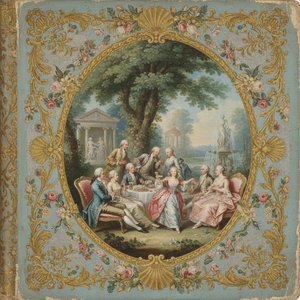
L'HIVER – A Delicate Dance of Light and Illusion
Nicolas Lancret’s “L’Hiver” (The Winter) stands as a quintessential exemplar of Rococo artistry, capturing the ephemeral beauty of Parisian leisure during its golden age. Painted circa 1730-1735, this genre scene transports viewers to a festive winter afternoon where aristocratic figures engage in playful pursuits amidst an exquisitely rendered frozen landscape—a testament to Watteau’s influence and Lancret's masterful execution.Composition & Atmosphere
The painting unfolds with remarkable grace, centering around a monumental fountain adorned with sculptures – likely representing mythological figures – bathed in diffused sunlight. Around this focal point swirl elegantly dressed couples and solitary individuals, creating an impression of movement and conviviality despite the wintry setting. Lancret skillfully employs linear perspective to establish depth, subtly diminishing the size of distant trees and buildings, reinforcing the illusion of space and enhancing the overall sense of tranquility. The artist’s deliberate framing emphasizes the social interaction at the heart of the scene, mirroring Watteau's penchant for capturing fleeting moments of aristocratic life.Color Palette & Brushwork
Lancret’s color palette is restrained yet luminous, prioritizing muted browns, grays, and whites to convey the chill of winter. However, strategic splashes of crimson—perhaps adorning a lady’s gown or highlighting decorative elements—introduce vibrant accents that counteract the coolness of the dominant hues. Delicate brushstrokes contribute significantly to the painting's textural richness; smooth blending is evident in areas depicting clothing and drapery, juxtaposed with coarser strokes delineating tree bark and icy surfaces. This technique imbues the artwork with a palpable sense of atmosphere, mirroring the soft glow of candlelight within the interior spaces depicted.Symbolism & Emotional Resonance
“L’Hiver” transcends mere depiction; it embodies Rococo ideals of pleasure and refined sensibility. The frozen fountain symbolizes resilience amidst adversity—a metaphor for enduring beauty despite seasonal change—while the figures embody aristocratic grace and carefree enjoyment. Lancret's portrayal captures not just a visual spectacle but also an emotional state: nostalgia for youthful exuberance, appreciation for social harmony, and contemplation of the transient nature of life’s joys. Like Watteau before him, Lancret invites viewers to savor the fleeting beauty of the present moment.Technical Considerations & Artistic Legacy
Executed in oil paint on canvas, “L’Hiver” exemplifies Lancret's meticulous attention to detail and his command of artistic technique. The layering of brushstrokes—a hallmark of Rococo painting—creates depth and luminosity, capturing the subtle nuances of light and shadow. Lancret’s work stands as a cornerstone of Parisian Rococo art, securing its place within Watteau’s influential lineage and cementing Lancret's reputation as one of the era’s most accomplished painters. Its enduring appeal lies in its ability to evoke a timeless sense of elegance and delight—a celebration of beauty that continues to inspire admiration centuries later.질의응답
니콜라 랑크레의 "L'HIVER"의 특징적인 기법과 화풍은 무엇인가요?
니콜라 랑크레의 "L'HIVER"은 Oil On Canvas 기법과 Rococo 양식이 결합된 작품입니다. 기법과 양식은 작품의 제작 방식과 예술적 스타일을 나타냅니다.
"L'HIVER"은(는) 저작권으로부터 자유로운가요?
니콜라 랑크레의 "L'HIVER"의 저작권 정보: 해당 작품은 퍼블릭 도메인 - 저작권 보호 기간이 만료되었습니다 상태입니다. 이는 이미지 복제 가능 여부를 결정하는 기준이 됩니다.
"L'HIVER"은(는) 어떤 화풍에 속하나요?
니콜라 랑크레의 "L'HIVER"과(와) 관련된 미술 사조는 Rococo입니다. 이러한 분류를 통해 해당 작품을 관련 작가 및 예술 작품들과 함께 파악할 수 있습니다.
이 작품에 대해 더 알아보기
 미리보기
미리보기
 공유하기
공유하기 공유하기
공유하기
 상세 정보
상세 정보 가이드 보기

 다운로드
다운로드
 유사 작품 더 보기
 X-레이
X-레이 슬라이드 쇼 보기
 질의응답
질의응답 통계 정보
통계 정보