
 미리보기
미리보기
 프린트 구매
 공유하기
공유하기 공유하기
공유하기
 상세 정보
상세 정보

 다운로드
다운로드
 유사 작품
유사 작품 X-레이
X-레이 슬라이드 쇼
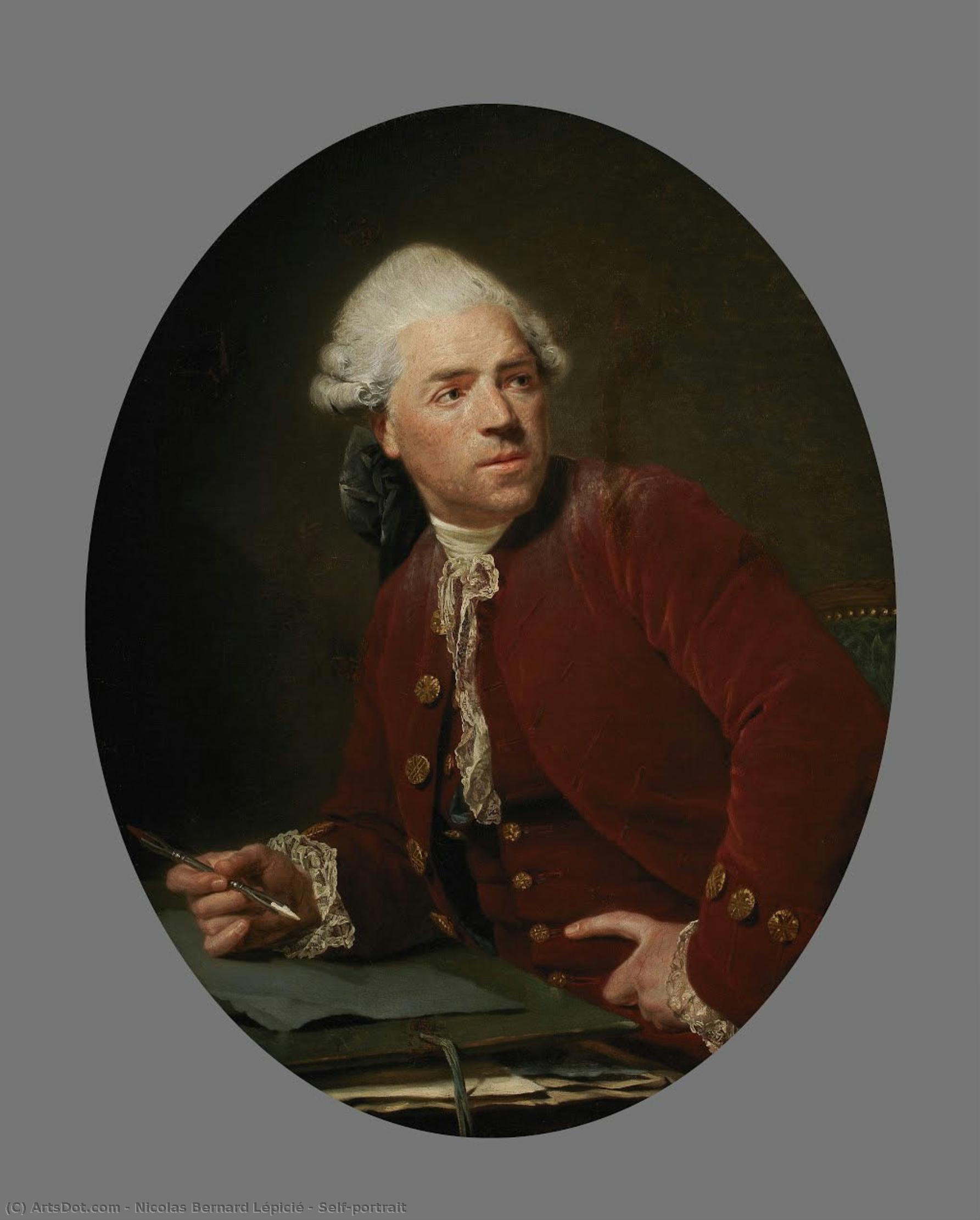
Self-portrait
 Acrylic On Canvas
- WallArt
- Rococo
 1777
1777 90.0 x 71.0 cm
 캘러스투 셀베키안 박물관
 더 보기
더 보기




P118B $10

P118H $10

P118W $10

P438Z $10

P508JH $12

P508YH $12

P805H $10

P805Z $10

P919BZ $10

P919G $10

P919XJ $10

P959ZH $10

P968JZ $12

W106C $8

W218G $10

W218JH $8

W218Y $10

W307PJ $10

W316G $10

W316PJ $8

W316Y $10

W398PJ $8

W4111J $10

W500HY $15

W500JH $15

W692G $12

W849H $8

W940BG $15

W953PJ $8




작품의 원본 비율을 유지하는 미리 설정된 크기 중에서 선택하세요.

특정 프레임이나 공간에 맞도록 직접 크기를 입력할 수 있습니다. 선택하신 크기가 원본 이미지의 비율과 일치하지 않는 경우, 작품을 자르거나 추가적인 손으로 그린 요소를 사용하여 그림을 확장합니다. 제작 시작 전 승인을 위해 디지털 목업을 보내드립니다.
화면 미리 보기는 실제 자르기 또는 확장을 반영하지 않습니다. 최종 구성은 목업을 통해서만 정확하게 확인하실 수 있습니다.
맞춤 크기 제작도 가능하지만, 원본 비율을 유지하기 위해 사전 정의된 목록에서 크기를 선택하시는 것을 권장합니다.
주문 후 OriginalUniqueArt.com 팀에서 상세 안내를 위해 고객님께 이메일을 보내드리며, 미리보기 시안을 제공해 드립니다.


 유리 옵션은 110cm 미만 크기에서만 선택 가능합니다.

Self-portrait
재현 기법
복제본 크기
-


최종 결제 금액
$ 300
작품 상세 설명
A Portrait of Refinement: Exploring Nicolas Bernard Lépicié’s Self-Portrait
The canvas holds a quiet dignity – a self-portrait by Nicolas Bernard Lépicié, completed in 1777 and exhibited at the prestigious Paris Salon. More than just a likeness, this painting embodies the spirit of Rococo elegance while subtly hinting at the stylistic shifts that would soon dominate European art history. Examining its details reveals not only artistic mastery but also a glimpse into the social milieu of Louis XV’s France – a world obsessed with beauty, ornamentation, and carefully cultivated appearances.Style and Technique: The Delicate Touch of Rococo
Lépicié's approach aligns perfectly with the prevailing aesthetic sensibilities of his time. Characteristic of the Rococo movement, the portrait eschews dramatic poses or forceful expressions in favor of an understated composure. The artist employs a soft brushstroke technique, layering translucent glazes to achieve a luminous quality that captures the subtle nuances of light and shadow. This meticulous attention to detail is evident in the rendering of fabrics – particularly the opulent crimson robe adorned with delicate lace – demonstrating Lépicié’s command of color and texture. The muted palette contributes to an overall atmosphere of serenity, reflecting the Rococo's preoccupation with idealized beauty and sensual pleasure.Historical Context: Versailles and Societal Expectations
The Salon of 1777 served as a cornerstone of artistic patronage and social prestige in France. Artists like Lépicié sought recognition from the royal court and influential members of Parisian society, striving to portray themselves – and often their families – within the framework of aristocratic ideals. The portrait speaks volumes about the values held dear during this era: intellectual pursuits were valued alongside refined manners and a cultivated taste for art. Furthermore, the inclusion of the quill pen symbolizes Lépicié’s engagement in scholarly endeavors—a deliberate gesture intended to elevate his status and convey an image of cultured sophistication.Symbolism Within the Composition
Beyond its technical brilliance, the self-portrait is laden with symbolic significance. The wig, a fashionable accessory for men during the period, represents social ambition and adherence to established conventions. Its placement atop Lépicié’s head underscores the importance of outward appearance in conveying status and respectability. Similarly, the crimson robe – a color associated with royalty and passion – symbolizes pride and confidence. However, it is perhaps the gaze directed at the viewer that holds particular interest. This directness conveys an air of self-assurance and invites contemplation about the artist’s inner life—a subtle challenge to traditional portraiture conventions that prioritized idealized representations over honest introspection.Emotional Impact: A Moment Frozen in Time
Despite its formal restraint, Lépicié's self-portrait possesses a palpable emotional resonance. The artist’s gaze conveys a quiet thoughtfulness, suggesting an awareness of his own identity and place within the broader context of his time. The painting captures not merely physical likeness but also something deeper – a sense of inner dignity and intellectual curiosity. It invites viewers to consider the complexities of human experience and appreciate the beauty found in understated elegance. Like many masterpieces of its era, Lépicié’s portrait transcends mere visual representation, offering a poignant glimpse into the soul of an artist striving for recognition within a society obsessed with appearances.작가 약력
붓으로 그린 삶: 니콜라르 베르나르 레피시에의 세계
1735년 파리에서 판화 예술에 깊이 뿌리내린 가정에서 태어난 니콜라르 베르나르 레피시에는 18세기 프랑스 회화의 진화하는 풍경 속에서 중요한 목소리로 등장했습니다. 그의 삶은 예술적 전환기의 시기와 맞물려 있었는데, 바로바로 바로크 양식의 장엄함에서 벗어나 로코코 특유의 섬세한 친밀감을 포용하면서도 동시에 다가올 신고전주의 시대의 명료함과 형태를 예고하고 있었습니다. 오늘날 그 동시대 인물인 샤르댕이나 프라고나르만큼 찬사를 받지는 못할지라도, 레피시에의 작품은 혁명 이전 프랑스의 사회적 관습과 가정생활을 엿볼 수 있는 매혹적인 창을 제공하며, 보는 이들에게 여전히 울림을 주는 섬세함과 기술적 기교로 가득 차 있습니다. 그의 아버지인 프랑수아-베르나르 레피시에는 존경받는 판화가이자 역사 기록가였고, 어머니인 르네-엘리자베트 마를리에 역시 판화를 전업으로 했기에, 어린 니콜라르는 시각 예술에 일찍부터 깊이 몰입할 수 있었습니다. 이러한 가문적 기반은 의심할 여지 없이 그의 예술적 궤적을 형성했지만, 그는 결국 화가로서 자신만의 독자적인 길을 개척해 나갔습니다.예술적 발전과 영향
레피시에의 예술 여정은 당대의 저명한 인물이었던 카를 반 루(Carle Van Loo)에게서 배움을 시작했으며, 역사적 주제와 초상화 모두에 재능이 있음을 빠르게 보여주었습니다. 하지만 그가 진정으로 탁월함을 보인 영역은 일상을 묘사하는 장면들로 가득 찬 장르 회화였습니다. 그의 스타일은 섬세한 터치, 세밀한 디테일에 대한 주의력, 그리고 따뜻하고 자연주의적인 팔레트로 특징지어집니다. 그는 평범한 순간들의 미묘한 차이를 포착하는 놀라운 능력을 지니고 있었으며, 자신의 캔버스에 고요한 친밀감과 심리적 깊이를 불어넣었습니다. 장-바티스트-시메옹 샤르댕의 영향은 레피시에의 작품에서 쉽게 찾아볼 수 있습니다. 두 예술가 모두 겸손한 주제들을 위엄과 우아함으로 묘사하는 데 관심을 공유했습니다. 하지만 레피시에는 단순한 모방자에 그치지 않았습니다. 그는 또한 프라고나르의 작품에서 발견되는 좀 더 유희적인 로코코적 감수성도 인지하고 있었지만, 이러한 영향들을 명료함과 형태에 대한 점차 커지는 강조로 절제하며—곧 프랑스 미술을 지배하게 될 신고전주의적 미학을 암시했습니다. 그의 경력 전반에 걸쳐 그는 종종 카를 베르네(Carle Vernet)를 모델로 삼았는데, 이는 18세기 예술계에서 스튜디오 연습과 협업 학습의 중요성을 부각시켜 주었습니다.주요 작품과 인정
레피시에의 작품 세계는 다양한 주제를 아우르지만, 특정 작품들은 그의 기교와 비전을 보여주는 전형으로 남아 있습니다. 예를 들어 로와르 가족 초상화 (1766년)는 그가 가진 초상화 재능을 과시하며, 단순히 가족 구성원들의 외모뿐만 아니라 그들 각자의 개성과 관계까지 놀라운 감수성으로 포착해냈습니다. 그의 신화적 장면들인 아도니스 아네모네로 변하다 (c. 1768년)와 나르키소스 (1771년)는 복잡한 구도와 우의적인 주제를 기술적으로 능숙하게 다루는 그의 능력을 보여줍니다. 하지만 오늘날 가장 사랑받는 것은 아마도 그의 장르 회화일 것입니다. 어린 소녀가 깨어나는 모습을 그린 팡숑의 아침 (1773년)은 빛과 질감의 섬세한 묘사로 특히 찬사를 받으며, 부드러운 친밀감의 분위기를 자아냅니다. 관세청 내부 (1775년)는 이 시기 프랑스 사회의 작동 방식을 매혹적으로 엿보게 하며, 예술 작품에서 흔히 묘사되는 귀족적인 영역을 넘어선 일상생활에 대한 귀중한 통찰력을 제공합니다. 그의 경력에서 중요한 이정표는 1777년 왕립 아카데미에 입회하면서 찾아왔으며, 이는 파리 미술계에서 그를 존경받는 예술가로 확고히 자리매김하게 했습니다.유산과 역사적 중요성
니콜라르 베르나르 레피시에의 프랑스 미술에 대한 공헌은 단순히 그림의 아름다움과 기술적인 기교에만 있는 것이 아니라, 18세기 삶을 미묘하게 그려내는 능력에도 있습니다. 그가 가정생활과 친밀함에 초점을 맞춘 것은 이 시기 부르주아적 가치에 대한 커져가는 관심을 반영하며, 살롱 전시회에서 종종 지배적이던 장대한 역사적, 신화적 서사에 대조를 이루었습니다. 그는 1784년에 사망했는데, 이는 프랑스 혁명의 격동적인 사건들이 프랑스 예술과 사회의 흐름을 돌이킬 수 없이 바꾸기 직전이었습니다. 오늘날 그의 이름이 일부 더 유명한 동시대 인물들만큼 널리 알려져 있지는 않을지라도, 레피시에의 작품은 그 섬세함, 기술적 숙련도, 그리고 지나간 시대에 대한 감성적인 묘사로 계속해서 높이 평가받고 있습니다. 그의 그림들은 가치 있는 역사적 기록물 역할을 하며, 혁명 이전 프랑스 평범한 사람들의 물질문화, 사회관습, 그리고 정서적 삶에 대한 통찰력을 제공합니다.- 그의 작품은 루브르 박물관과 티센-보르네미사 미술관 같은 주요 박물관에 소장되어 있습니다.
- 그는 신고전주의 운동을 형성하는 데 기여할 여러 저명한 예술가들을 가르쳤습니다.

니콜라르 베르나르 레피시에
1735 - 1784 , 프랑스
주요 정보
- Artistic Movement Or Style: 로코코, 신고전주의
- Artists Or Movements Influenced By This Artist:
- 베르네
- 레뇌
- 단루
- Artists Who Influenced This Artist:
- 샤르댕
- 프라고나르
- 카를 반루
- Date Of Birth: 1735
- Date Of Death: 1784
- Full Name: 니콜라 베르나르 레피시에
- Nationality: 프랑스
- Notable Artworks:
- 로와르 가족 초상화
- 아도니스가 말미잘로 변하다
- 나르키소스
- 팡숑의 아침
- 세관 내부
- Place Of Birth: 파리, 프랑스
관련 기사 더 보기

From Grandeur to Grace: Exploring the Evolution of Baroque & Rococo Art
Explore the captivating evolution from Baroque's drama to Rococo's grace! Discover key artists, characteristics & lasting influence of these art movements with expert insights at OriginalUniqueArt.

Baroque vs. Rococo: A Definitive Guide to the Drama of Grandeur and the Elegance of Grace
Explore the profound differences between Baroque drama and Rococo elegance. Our expert guide delves into art history, chiaroscuro, and the evolution of European masterpieces for collectors and enthusiasts seeking deep historical context.

The Rococo Aesthetic: Opulence, Rebellion & the Pursuit of Pleasure in 18th-Century Art
Explore the opulent world of Rococo art! Discover its origins, key artists like Watteau & Boucher, and lasting influence on design. Expert insights for collectors & enthusiasts.

휘황한 로코코 시대의 예술적 황금률: 10가지 걸작 탐구
화려함과 우아함의 절정, 로코코 미술! 부셰, 프라고나르 등 거장들의 걸작 10편을 통해 18세기 예술 황금시대를 만나보세요. OriginalUniqueArt.com에서 박물관 수준의 명품 아트 프린트와 인테리어 영감을 얻으세요. 지금 바로 온라인 컬렉션을 탐험해보세요!
Simon Vouet: A Baroque Master's Journey from Italian Influence to French Classicism
Explore the life & art of Simon Vouet, a pivotal French Baroque painter who introduced Italian styles to France. Discover his masterpieces and lasting influence on 17th-century art.

