
 미리보기
미리보기
 공유하기
공유하기 공유하기
공유하기
 상세 정보
상세 정보 가이드 보기

 다운로드
다운로드
 유사 작품 더 보기
 X-레이
X-레이 슬라이드 쇼 보기
 질의응답
질의응답 통계 정보
통계 정보The Lacemaker

- 45.0 x 53.0 cm


 더 보기
더 보기
지클레 / 아트 프린트
빠른 제작과 다양한 마감 옵션을 제공하는 박물관 수준의 지클레이 및 캔버스 프린트. ( 수작업 채색 복제본 주문하기 디지털 이미지로 전환)




P118B ₩10

P118H ₩10

P118W ₩10

P438Z ₩10

P508JH ₩12

P508YH ₩12

P805H ₩10

P805Z ₩10

P919BZ ₩10

P919G ₩10

P919XJ ₩10

P959ZH ₩10

P968JZ ₩12

W106C ₩8

W218G ₩10

W218JH ₩8

W218Y ₩10

W307PJ ₩10

W316G ₩10

W316PJ ₩8

W316Y ₩10

W398PJ ₩8

W4111J ₩10

W500HY ₩15

W500JH ₩15

W692G ₩12

W849H ₩8

W940BG ₩15

W953PJ ₩8




작품의 원본 비율을 그대로 유지하는 프리셋 사이즈 중에서 선택해 보세요.

액자나 벽면 크기에 맞춰 필요한 가로와 세로 길이를 입력해 주세요. 프린트는 원본 이미지보다 크게 제작할 수 없으며 오직 자르는 것만 가능하므로, 비율이 다른 사이즈를 선택할 경우 이미지의 일부가 잘려 나갈 수 있습니다. 인쇄 작업에 들어가기 전, 최종 확인을 위해 디지털 목업을 보내드립니다. 이 페이지에 표시된 이미지는 실제 잘리는 영역을 나타내지 않으며, 오직 목업을 통해서만 정확한 확인이 가능합니다.


 유리 옵션은 110cm 미만 크기에서만 선택 가능합니다.

The Lacemaker
지클레 / 아트 프린트
복제본 크기
-


최종 결제 금액
₩ 108463
The Lacemaker: A Glimpse of Domestic Life in Delft
Nicolaes Maes’s “The Lacemaker,” painted around 1656, is more than just a portrait; it's a meticulously crafted window into the heart of 17th-century Dutch domesticity. Housed within the Metropolitan Museum of Art in New York, this small yet remarkably detailed canvas offers a poignant study of labor, femininity, and the quiet dignity of everyday life – a hallmark of the burgeoning genre painting movement that flourished during the Dutch Golden Age. The scene unfolds within a modestly furnished room, bathed in soft light filtering through a window on the left, creating an atmosphere of serene contemplation.
The central figure is a young woman, her posture suggesting both diligence and contentment as she expertly works at her lacemaking. Her hands move with practiced grace, transforming simple threads into intricate patterns – a testament to the skill and patience required for this demanding craft. Beside her, a small child sits perched on a stool, observing his mother’s work with an expression of innocent curiosity. This juxtaposition of generations, of labor and observation, imbues the scene with a subtle narrative depth.
A Masterclass in Light and Shadow
Maes was deeply influenced by Rembrandt van Rijn, inheriting his profound understanding of *chiaroscuro*, the dramatic interplay of light and shadow. Here, this technique is masterfully employed to draw the viewer’s eye to the central figure, highlighting her hands and the delicate lace she creates. The dark background – a simple wooden room with a muted floor – serves as a powerful contrast, emphasizing the brightness of the figures and creating a sense of intimacy. Notice how Maes uses subtle gradations of light to model the woman's face and clothing, lending them a remarkable three-dimensionality.
The artist’s meticulous attention to detail extends beyond the figure itself. The textures of the fabric – the smooth sheen of the bodice, the rough weave of the tablecloth – are rendered with astonishing realism. Even the small objects on the table – a vase and a bowl – contribute to the sense of a lived-in space, grounding the scene in a tangible reality.
Symbolism and Social Context
Lacemaking was not merely a domestic occupation; it held significant social and economic value during this period. The intricate lace produced by women like the one depicted in “The Lacemaker” was highly sought after, providing an important source of income for many families. The painting therefore offers a glimpse into the lives of ordinary Dutch women, highlighting their contributions to the household economy and showcasing their skill and artistry.
Furthermore, the presence of the child adds another layer of symbolic meaning. Children were often depicted in domestic scenes as symbols of hope and continuity, representing the future generation. The boy’s attentive gaze suggests a connection between mother and child, reinforcing the values of family and tradition that were central to Dutch society.
A Timeless Portrait of Domesticity
“The Lacemaker” is more than just a beautiful painting; it's a powerful testament to the artistry and skill of Nicolaes Maes. Through his masterful use of light, shadow, and detail, he has captured a fleeting moment in time – a glimpse into the quiet dignity of domestic life in Delft. The painting’s enduring appeal lies in its ability to evoke a sense of nostalgia for a bygone era, reminding us of the simple pleasures and profound beauty that can be found in the everyday.
질의응답
"The Lacemaker"은(는) 니콜라스 마에스의 다른 작품들과 어떤 공통점을 지니고 있나요?
니콜라스 마에스의 작품 세계에서 "The Lacemaker"은 rembrandt’s light & shadow, dutch domesticity, virtue”, “17th-century life”, “genre painting focus”, maes's intimate scenes”라는 주제와 더불어 Dutch Golden Age 양식을 보여줍니다.
"The Lacemaker"은(는) 누가, 언제 제작했을까요?
"The Lacemaker"은(는) 1656년 니콜라스 마에스의 작품입니다.
니콜라스 마에스의 "The Lacemaker"은(는) 어떤 색채 조화를 보여주나요?
"The Lacemaker"의 색채 조화는 Strong Color Unity로 표현됩니다.
작가 정보
황금 시대 네덜란드의 빛과 그림자 속의 삶
니콜라스 마에스(Nicolaes Maes)라는 이름은 네덜란드 황금 시대 거장들의 대열에서 은은하게 울려 퍼지는 이름입니다. 1634년 1월 도르트레흐트에서 번성하는 상업과 예술적 열기로 가득 찬 세상에 태어난 그는 성공적인 직물 상인이자 비누 제조업자인 게리트 마에스(Gerrit Maes)의 아들로, 편안한 환경 속에서 그림 재능을 키울 수 있었습니다. 초기에는 지역 화가에게서 미미한 수준의 지도를 받았지만, 1648년경 암스테르담으로 떠나 렘브란트 반 레인(Rembrandt van Rijn)의 작업실에 들어선 것이 그의 발전에 결정적인 순간이었습니다. 이 도제 생활은 빛과 그림자의 극적인 상호 작용 – *키아로스쿠로* – 와 초기 작품을 정의했던 뛰어난 색채 감각을 불어넣었습니다. 렘브란트의 영향력은 너무나 강렬해서 초기 그림들, 특히 생생한 색조와 풍부한 색감으로 표현된 성경 장면들은 종종 렘브란트의 작품으로 오인되기도 했습니다. 이 형성 기간은 기술적 탁월함과 인간 감정에 대한 깊은 이해를 특징으로 하는 그의 경력 기반을 마련했습니다.렘브란트의 그림자에서 독립적인 비전으로
1654년 도르트레흐트로 돌아온 마에스는 자신의 예술적 길을 개척하기 시작하며 전 직사후배의 직접적인 모방에서 점차 거리를 두었습니다. 이후 십 년 동안은 규모가 더 작은 가정 장르 장면으로 방향을 전환했지만, 렘브란트에게서 흡수한 생생한 색채 감각은 유지했습니다. 그는 네덜란드 시민들의 일상생활에 예리한 시선을 돌려 여성들이 실을 짜고, 성경을 읽고, 식사를 준비하는 등의 평범한 활동을 놀라운 세부 사항과 섬세함으로 묘사했습니다. 특히 레이스 뜨개질에 대한 특별한 매혹이 나타나 이 주제를 수많은 변주곡으로 발전시켰는데, 각각 마에스의 세심한 관찰력과 기술을 증명합니다. 이러한 그림들은 단순한 일상생활의 묘사가 아니었습니다. 그것은 17세기 네덜란드 사회의 구조 속에 짜여진 조용한 존엄성과 미묘한 이야기를 드러내는 창문이었습니다. 이 시기의 작품은 사람들이 *무엇*을 했는지 뿐만 아니라 *어떻게* 느꼈는지를 포착하는 능력을 보여줍니다.암스테르담의 초상화가
1673년, 마에스는 암스테르담으로 이주했는데, 이는 예술적 야망과 변화하는 미술 시장에 대한 현명한 적응을 의미했습니다. 영국 및 프랑스와의 전쟁의 영향을 받은 도시는 초상화에 대한 수요가 증가하고 있었고, 마에스는 빠르게 주요 실천가 중 한 명으로 자리 잡았습니다. 그는 이전의 장르 작업을 대부분 포기하고 암스테르담의 저명한 시민들의 모습을 담는 데 집중했습니다. 그의 초상화는 세련된 우아함과 심리적 통찰력으로 특징지어지며, 단순히 외모뿐만 아니라 성격과 사회적 지위도 드러냅니다. “암스테르담 상인 및 선박 소유주 게라르트 뢰버(Gerard Röver)의 초상화”와 같은 작품은 부와 시민 자부심을 품위 있게 표현한 그의 기술을 예시합니다. 그는 직물의 품질, 의복의 재단, 앉은 사람들의 자신감 있는 자세 등 미묘한 세부 사항을 통해 지위를 전달하는 데 능숙했습니다. 이 시기는 이전의 따뜻함과 친밀함에서 벗어나 더욱 세련되고 정교한 미학으로 전환되는 중요한 스타일 변화를 나타냈습니다.유산과 지속적인 매력
니콜라스 마에스는 1693년 12월 암스테르담에서 세상을 떠났고, 오늘날에도 계속해서 관객을 사로잡는 상당한 작품 세계를 남겼습니다. 그의 그림은 네덜란드 황금 시대의 사회적 관습, 가정 내부 및 심리적 복잡성에 대한 귀중한 통찰력을 제공합니다. 초기 작품에는 렘브란트의 영향이 분명히 나타나지만, 마에스는 결국 세심한 디테일, 생생한 색상 팔레트, 인간 성격에 대한 섬세한 묘화로 특징지어지는 독특한 스타일을 발전시켰습니다. 일상적인 장면과 개인을 예술적 중요성으로 끌어올리는 그의 능력은 그를 시대의 가장 중요한 화가 중 한 명으로 자리매김했습니다. 오늘날 그의 그림은 암스테르담 국립 박물관(Rijksmuseum), 런던 국립 미술관(National Gallery), 워싱턴 D.C. 국립 미술관(National Gallery of Art)을 포함한 세계 유수의 컬렉션에 소장되어 있으며, OriginalUniqueArt.com과 같은 플랫폼을 통해 연구와 감상을 위한 접근성을 제공하여 이 뛰어난 네덜란드 화가의 유산이 미래 세대까지 지속되도록 보장합니다.그의 작품의 주요 특징
- 렘브란트 영향: 초기 작품에는 특히 키아로스쿠로 사용과 풍부한 색상 팔레트에서 렘브란트 반 레인의 강한 영향을 보여줍니다.
- 장르 장면: 마에스는 일상생활의 친밀한 묘사, 특히 가정 내부 및 실 짜기, 읽기, 레이스 뜨개질과 같은 활동으로 유명합니다.
- 초상화 기교: 그는 암스테르담에서 주요 초상화가로 명성을 얻었으며, 정밀함과 우아함을 갖춘 앉은 사람들의 모습과 성격을 포착하는 것으로 알려져 있습니다.
- 세부 관찰: 그의 그림은 질감, 직물 및 표정의 묘사에 대한 세심한 주의를 특징으로 합니다.
- 심리적 통찰력: 마에스는 미묘한 몸짓과 표현을 통해 피사체의 내면 생활과 감정을 전달하는 놀라운 능력을 가지고 있었습니다.
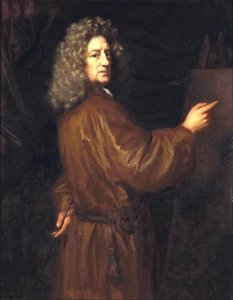
니콜라스 마에스
1634 - 1693 , 네덜란드
작가 정보 요약
- Artistic Movement Or Style: 바로크, 네덜란드 황금기
- Artists Or Movements Influenced By This Artist: ['네덜란드 풍경화가']
- Artists Who Influenced This Artist: ['렘브란트 반 레인']
- Date Of Birth: 1634년 1월
- Date Of Death: 1693년 12월
- Full Name: 니콜라스 마에스
- Nationality: 네덜란드인
- Notable Artworks:
- The Reverie
- Card Players
- Catharina Pottey
- Gerard Röver
- Portrait of a Woman
- Place Of Birth (City And Country): 네덜란드 도르드레흐트
관련 콘텐츠

Golden Age Reflections: Dutch Baroque Painting & Cultural Innovation
Explore the Dutch Golden Age of painting! Discover key artists like Vermeer & ter Borch, their innovative techniques, and the rich cultural context behind these Baroque masterpieces. Learn about collecting & appreciating this iconic art period.

Mastering Light & Shadow: A Journey Through the Dutch Golden Age's Luminous Legacy
Embark on a cultural journey through the Dutch Golden Age. Explore the masterful interplay of light and shadow in 17th-century masterpieces, from Rembrandt to Vermeer, and discover how this era of profound realism continues to inspire fine art collectors today.

Chiaroscuro and Character: A Masterclass in Light and Shadow within Dutch Golden Age Painting
Explore the profound mastery of light and shadow in Dutch Golden Age painting. From chiaroscuro to atmospheric landscapes, discover the techniques that defined an era and learn how to bring these timeless masterpieces into your home through museum-quality oil reproductions.

Golden Light & Dutch Skies: The Timeless Magic of Dutch Golden Age Landscapes
Discover the breathtaking beauty of Dutch Golden Age landscapes. Explore the mastery of light, chiaroscuro, and 17th-century realism through an expert art history lens, celebrating the enduring legacy of the Dutch Masters for discerning collectors and art lovers.

네덜란드 황금 시대 예술의 정수를 담은 10대 걸작 탐구
렘브란트, 베르메르의 걸작부터 할스의 인물화까지! 네덜란드 황금시대 미술의 10대 명품을 만나보세요. 예술적 깊이와 아름다움을 담은 작품들을 OriginalUniqueArt에서 감상하고, 고품질 아트 프린트로 당신의 공간에 특별함을 더하세요. 지금 바로 OriginalUniqueArt.com에서 모든 걸작을 발견하세요!