

 실제 크기로 보기
 보내기
보내기 공유하기
공유하기
 상세 보기
상세 보기 가이드 보기

 이미지 다운로드
 유사 작품 더 보기
 X-레이
X-레이 슬라이드 쇼 보기
 통계 정보
통계 정보Tree Chair
 Contemporary Design
 2015
2015 46.0 x 46.0 cm
 Loewe Foundation
 상세 보기
상세 보기
핸드메이드 유화 복제화
작가가 직접 캔버스에 손으로 그린 유화 작품으로, 원하는 크기와 액자로 맞춤 제작해 드립니다. ( 프린트 판매로 전환 디지털 이미지 판매 채널로 전환)




































작품의 원본 비율을 그대로 유지하는 프리셋 사이즈 중에서 선택해 보세요.

액자나 벽면 크기에 맞춰 필요한 가로와 세로 길이를 입력해 주세요. 본 작품은 수작업으로 제작되므로, 요청하신 비율에 따라 작가가 그림의 가장자리를 조금 더 넓게 그리거나 일부를 조정하여 작업할 수 있습니다. 작업 시작 전, 최종 확인을 위해 디지털 목업 이미지를 보내드립니다. 이 페이지에 표시된 이미지는 실제 결과물과 다를 수 있으며, 오직 목업 이미지만이 정확한 결과물을 보여줍니다.
주문 완료 후 OriginalUniqueArt.com 팀에서 상세 안내를 위해 고객님께 이메일을 보내드리며, 미리보기 시안을 함께 제공해 드립니다.


 유리 옵션은 110cm 미만 크기에서만 선택 가능합니다.

Tree Chair
재현 매체
복제본 규격
-


총 결제 금액
₩ 407789
질의응답
"Tree Chair"은(는) 누가, 언제 제작했을까요?
"Tree Chair"의 작가는 Nicholas Iquan Gaspard이며, 제작 연도는 2015년입니다.
"Tree Chair은(는) Nicholas Iquan Gaspard의 예술적 여정 중 어느 시기에 해당하나요?"
"Tree Chair"은(는) Nicholas Iquan Gaspard의 예술적 생애 중 Contemporary 시기에 해당합니다. 이 분류는 해당 작품을 작가의 예술적 발전 과정과 연결해 줍니다.
Nicholas Iquan Gaspard의 "Tree Chair"에는 무엇이 묘사되어 있나요?
Nicholas Iquan Gaspard의 "Tree Chair"에 묘사된 주제: organic form, natural materials, sustainable design, wood sculpture, environmental art, contemporary furniture, minimalist aesthetic.
작가 소개
A Life Forged in Trade and Turmoil: The Remarkable Story of Nicholas Iquan Gaspard (Zheng Zhilong)
The name Zheng Zhilong, or Nicholas Iquan Gaspard as he was known to many, resonates with a captivating blend of ambition, pragmatism, and the turbulent currents of 17th-century Asia. He wasn’t merely an admiral or a pirate; he was a master navigator of power, a merchant prince who rose from humble beginnings to command vast fleets and influence empires. Born in 1604 in Nan’an, Fujian province, his early life offered little hint of the extraordinary trajectory that lay ahead. His family's history traces back to those fleeing upheaval in central China centuries prior, settling in Fujian—a region already steeped in maritime trade and a breeding ground for both legitimate commerce and illicit ventures. It was this environment that would shape his destiny.
Young Zheng’s initial foray into the world wasn't through naval command but through employment with Europeans at the Portuguese settlement of Macau. There, he received not only practical skills in trade but also a baptism and the Christian name Nicholas Gaspard—a symbolic bridge between cultures that would define much of his life. This period proved formative, exposing him to global networks and fostering an understanding of European maritime practices. However, it was his subsequent involvement with pirate bands along the Chinese coast that truly ignited his rise. He quickly distinguished himself, not through brute force but through shrewdness and a growing mastery of naval tactics.
From Pirate Lord to Ming Admiral: A Shifting Allegiance
The turning point came in 1628 when Zheng Zhilong accepted amnesty from the Ming court. This wasn’t an act of repentance, but rather a calculated move—a recognition that aligning with established power offered greater opportunities than operating outside its reach. He was appointed as a Coastal Defense Guerrilla Commander and rapidly ascended through the ranks, leveraging his knowledge of pirate networks to suppress rivals and consolidate his control over southern waters. His wealth grew exponentially, fueled by both legitimate trade and the spoils of pacifying maritime forces like Li Kuiqi and Yang Liu. By the Chongzhen reign, he had become Assistant Commander-in-Chief, effectively controlling all commerce and security in the region.
Zheng Zhilong’s success wasn't simply about military prowess; it was about building a system. He understood that control of trade meant control of power, and he meticulously established networks to ensure his dominance. The defeat of the combined Dutch and Liu Xiang fleet at Liaoluo Bay in 1633 cemented his reputation as a formidable naval commander—a testament to his strategic thinking and the loyalty of his forces. This victory wasn’t just a military triumph; it was a demonstration of his ability to protect Chinese interests against foreign encroachment, further solidifying his position within the Ming hierarchy.
The Fall of the Dynasty and a Complex Legacy
The collapse of the Ming dynasty in 1644 plunged China into chaos. Zheng Zhilong initially supported Zhu Yujian, establishing him as the claimant to the throne in Fujian province and receiving the title of Count of Nan’an. However, his pragmatism once again took precedence. Recognizing the overwhelming strength of the Manchu Qing forces, he made the controversial decision to surrender in 1645, hoping to secure a future for himself and his family. He was granted noble titles by the Qing government but ultimately met a tragic end in 1661—executed due to his son, Zheng Chenggong’s continued resistance against the regime.
Despite this tumultuous ending, Zheng Zhilong's impact on maritime Asia remains profound. He wasn’t simply a pirate or an admiral; he was a pivotal figure in the transition between dynasties, a man who navigated treacherous political waters with remarkable skill. His promotion of immigration and development in Taiwan established a thriving trade network that generated immense wealth—a testament to his vision and entrepreneurial spirit. While his legacy is complex, marked by shifting allegiances and ultimately betrayal, it’s undeniable that Nicholas Iquan Gaspard left an indelible mark on the history of China and its relationship with the wider world.
His story serves as a potent reminder that power isn't solely derived from military strength or political position but also from economic control, strategic alliances, and a willingness to adapt—even if it means sacrificing principles along the way. The echoes of his ambition continue to resonate through the centuries, making him a fascinating and enduring figure in Asian history.

Nicholas Iquan Gaspard
1604 - 1661 , China
작가 정보 요약
- Full Name: Zheng Zhilong / Nicholas Iquan Gaspard
- Nationality: Chinese
- Date Of Birth: 1604
- Date Of Death: 1661
- Place Of Birth: Fuzhou, China
- Notable Artworks: ['Tree Chair']
- Artistic Movement Or Style: Maritime Art
관련 기사

Bronze Sculptures That Defined Art History | OriginalUniqueArt
Journey through art history with our Top 10 bronze sculptures! Explore masterpieces by Rodin, Michelangelo & more. Discover stories behind iconic statues and find museum-quality reproductions for your home decor at OriginalUniqueArt.com.

The Enduring Form: Exploring Themes & Techniques in Sculpture Across Historical Periods
Explore the rich history of sculpture from ancient masterpieces to contemporary innovations. Discover key techniques, influential artists & investment potential for discerning art collectors.

The Enduring Form: Sculpture Across History, Technique & Emotional Resonance
Explore the rich history of sculpture with OriginalUniqueArt. Discover key techniques, influential artists & investment potential for discerning collectors. Expert insights into valuing and collecting timeless masterpieces.
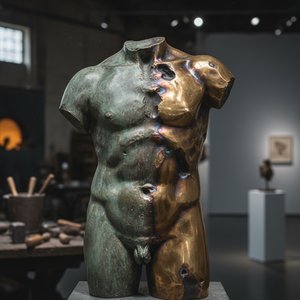
고대 금속의 유산: 청동 조각의 역사, 기법 및 현대적 해석
고대 금속 공예의 정수, 청동 조각의 역사와 기법을 심층 분석합니다. 중국, 그리스, 로마의 대표 작품부터 현대적 해석까지, 미술품 투자 및 컬렉션을 위한 전문가 가이드.

Bronze Age to Modern Masters: 10 Sculptures That Redefined Art | OriginalUniqueArt
Journey through art history with 10 legendary bronze sculptures – from Michelangelo's David to Rodin’s Thinker. Explore the stories, techniques & timeless beauty of these masterpieces. Find museum-quality reproductions & elevate your home decor on OriginalUniqueArt.com.