

 실제 크기로 보기
 보내기
보내기 공유하기
공유하기
 상세 보기
상세 보기 가이드 보기

 이미지 다운로드
 유사 작품 더 보기
 X-레이
X-레이 슬라이드 쇼 보기
 통계 정보
통계 정보Two Boys Blowing Bubbles
 Oil On Canvas
- WallArt
- Baroque
 1670
1670 31.0 x 25.0 cm
 국립미술관 (National Gallery)
 상세 보기
상세 보기
핸드메이드 유화 복제화
작가가 직접 캔버스에 손으로 그린 유화 작품으로, 원하는 크기와 액자로 맞춤 제작해 드립니다. ( 프린트 판매로 전환 디지털 이미지 판매 채널로 전환)




P118B $10

P118H $10

P118W $10

P438Z $10

P508JH $12

P508YH $12

P805H $10

P805Z $10

P919BZ $10

P919G $10

P919XJ $10

P959ZH $10

P968JZ $12

W106C $8

W218G $10

W218JH $8

W218Y $10

W307PJ $10

W316G $10

W316PJ $8

W316Y $10

W398PJ $8

W4111J $10

W500HY $15

W500JH $15

W692G $12

W849H $8

W940BG $15

W953PJ $8




작품의 원본 비율을 그대로 유지하는 프리셋 사이즈 중에서 선택해 보세요.

특정 프레임이나 공간에 맞춰 원하는 크기를 직접 입력하실 수 있습니다. 선택하신 크기가 원본 이미지의 비율과 일치하지 않을 경우, 작품을 자르거나 추가적인 수작업 요소를 더해 그림을 확장하여 제작합니다. 제작 시작 전, 최종 확인을 위해 디지털 목업을 보내드립니다.
화면상의 미리 보기는 실제 크롭(자르기)이나 확장된 상태를 완벽히 반영하지 않을 수 있습니다. 최종 구도는 오직 목업을 통해서만 정확하게 확인하실 수 있습니다.
맞춤 크기 제작도 가능하지만, 원본의 비율을 그대로 유지하기 위해서는 미리 정의된 목록에서 크기를 선택하시는 것을 권장합니다.
주문 완료 후 OriginalUniqueArt.com 팀에서 상세 안내를 위해 고객님께 이메일을 보내드리며, 미리보기 시안을 함께 제공해 드립니다.


 유리 옵션은 110cm 미만 크기에서만 선택 가능합니다.

Two Boys Blowing Bubbles
재현 매체
복제본 규격
-


총 결제 금액
$ 325
A Fleeting Moment Captured: Caspar Netscher’s “Two Boys Blowing Bubbles”
Caspar Netscher's "Two Boys Blowing Bubbles," painted around 1670, isn’t merely a charming depiction of childhood play; it’s a meticulously crafted meditation on the ephemeral nature of existence. This Baroque masterpiece, housed within the hushed halls of the Seattle Art Museum, immediately draws the viewer into its dramatic chiaroscuro – a masterful manipulation of light and shadow that dominates the scene with an almost theatrical intensity. Netscher, a key figure in the Dutch Golden Age, expertly employs this technique to sculpt the figures, emphasizing their youthful energy against the implied darkness beyond the arched window, creating a profound sense of mystery and introspection.
The composition itself is strikingly intimate, framed as if peering through that very window. A young boy, clad in the rich fabrics characteristic of his social standing, leans forward, his gaze fixed upwards towards a shimmering bubble drifting into the unseen distance. Beside him, a slightly younger child concentrates intently on blowing the iridescent sphere, their faces illuminated by the soft glow emanating from the candle beside them. The inclusion of a small cherubic figure partially visible behind the first boy adds a layer of subtle complexity, hinting at an allegorical dimension to the scene – perhaps representing innocence or divine grace.
The Language of Light and Shadow: Netscher’s Baroque Technique
Netscher's skill lies not just in his ability to capture a fleeting moment but also in his profound understanding of color and texture. The oil paint is applied with an impasto technique, building up thick layers of pigment that create a remarkably tactile surface. This isn’t simply decorative; it’s integral to the painting’s emotional impact. Notice how the light catches the folds of the boys' clothing, highlighting their textures and suggesting the luxuriousness of their lives. The deep shadows cast by the window frame and the architectural details contribute to the overall sense of drama and depth, pulling the viewer into the scene.
Furthermore, Netscher’s use of color is remarkably restrained yet effective. He favors muted tones – browns, ochres, and subtle blues – creating a harmonious palette that allows the light to truly shine. The vibrant iridescence of the bubbles themselves provides a striking contrast, momentarily disrupting the subdued atmosphere and drawing our attention to their fleeting beauty.
Symbolism and Mortality: A Reflection on Time
The painting’s central theme – the transience of life – is powerfully conveyed through the motif of the bubble. As Netscher himself intended, the bubbles represent the fragility of human existence, mirroring the ephemeral nature of youth and beauty. The act of blowing a bubble, a seemingly simple gesture, becomes a potent symbol of our own fleeting time on earth. This concept, known as “Homo Bulla” (Man is Like a Bubble), was a prevalent theme in Dutch art during this period, serving as a constant reminder of mortality.
The inclusion of the candle and sandtimer further reinforces this symbolism. These objects represent the relentless passage of time, emphasizing the urgency with which we should cherish each moment. The scene, therefore, isn’t just a depiction of childhood play; it's a poignant meditation on life, death, and the beauty of impermanence.
A Legacy of Dutch Masterpieces: Netscher’s Enduring Influence
Caspar Netscher (1639-1684) stands as a pivotal figure in the Dutch Golden Age, renowned for his exquisitely detailed portraits and genre paintings. His work reflects the influence of Caravaggio and Peter Paul Rubens, yet he developed a distinctly personal style characterized by dramatic lighting, meticulous observation, and a profound understanding of human psychology. Netscher’s legacy extends beyond individual masterpieces like “Two Boys Blowing Bubbles,” shaping the course of Dutch Baroque painting for generations to come. Reproductions of this captivating artwork offer a glimpse into a world of opulent beauty and timeless contemplation – a testament to the enduring power of art to both delight and provoke reflection.
작가 소개
카스파르 네츠셔: 네덜란드 바로크 초상화의 거장
카스파르 네츠셔(1639년 – 1684년 1월 15일)는 네덜란드 황금시대의 중심 인물로, 당대의 정신을 포착한 정교하게 세밀한 초상화와 장르화로 명성을 떨쳤습니다. 독일 하이델베르크에서 태어난 그는 헨드릭 코스터의 가르침 아래 예술적 기량을 연마했으며, 이후 로마로의 형성적인 여정을 떠나 카라바지오와 페테르 파울 루벤스와 같은 거장들의 영향을 흡수했습니다. 이 스타일들은 그의 독특한 회화 접근 방식에 깊은 영향을 미쳤습니다. 암스테르담으로 돌아온 네츠셔는 유명한 예술가로 자리매김했으며, 윌리엄 3세의 후원을 받으며 매혹적인 캔버스로 상당한 부와 명성을 얻었습니다.- 초기 생애 및 훈련: 네츠셔의 형성기는 아른헴에서 보냈으며, 이곳에서 헨드릭 코스터에게 초기 지도를 받았습니다. 이러한 초기 예술 원리에 대한 노출은 그가 이후 게라르트 테르보르흐와 함께 공부하는 토대를 마련했으며, 이 협업을 통해 북부 바로크 미학에 대한 이해를 공고히 했습니다.
- 로마의 영향: 네츠셔의 로마 여행은 그의 예술적 지평을 넓히는 데 결정적인 역할을 했습니다. 그는 도시의 예술적 열기 속에 자신을 몰입시키며, 극적인 키아로스쿠로(명암 대비)와 감정적으로 충만한 구도를 추구했던 카라바지오나 루벤스와 같은 거장들로부터 기법과 양식적 고려 사항을 흡수했습니다.
- 암스테르담 경력 및 후원: 네츠셔는 암스테르담 미술계에서 빠르게 명성을 얻어 1659년경에는 대가 화가로 자리매김했습니다. 그의 성공은 왕실의 후원, 특히 군주의 위엄과 권위를 보여주는 수많은 초상화를 의뢰한 윌리엄 3세 덕분이었습니다. 이러한 관계는 네츠셔를 당대 가장 선망받는 예술가 중 한 명으로 확고히 자리매김하게 했습니다.
독특한 스타일과 기법
네츠셔의 예술적 스타일은 바로크 회화의 특징인 빛과 그림자에 대한 놀라운 감수성으로 특징지어집니다. 그는 미묘한 톤의 변화를 주면서 장면을 세심하게 구성하여 보는 이들을 사로잡는 환영적인 깊이를 만들어냈습니다. 밝은 팔레트를 선호했던 많은 동시대 화가들과 달리, 네츠셔는 엄숙한 위엄과 사실주의의 감각을 전달하기 위해 종종 갈색이나 황토색 같은 차분한 색조를 사용했습니다. 그의 붓놀림은 예외적으로 세련되어 놀라운 질감적 디테일을 구현해냈는데, 이는 특히 비단이나 브로케이드와 같은 직물 묘사에서 두드러지며, 그가 반짝이는 표면의 특성을 놀라울 정도의 정확성으로 표현했습니다. 이러한 세심한 기법은 그를 동시대 다른 예술가들과 구별 짓는 요소이며 그의 작품에 영속적인 아름다움을 더합니다.주요 작품과 유산
네츠셔의 작품 세계는 왕족, 귀족, 그리고 암스테르담의 저명한 시민들을 그린 방대한 초상화 모음으로 구성되어 있습니다. 그가 가장 유명하게 그린 작품으로는 시장의 위엄 있는 표정과 호화로운 의상을 보여주는 “피터 데 그라프 초상”, 왕의 통치를 왕다운 화려함으로 기념하는 "윌리엄 3세 초상", 그리고 갑옷을 입은 윌리엄 3세의 엄숙한 장엄함을 포착한 걸작인 “윌리엄 3세 (모사)” 등이 있습니다. 이 캔버스들은 네츠셔의 예술적 기량을 보여주는 예시이며, 그 기술적인 탁월함과 표현력으로 계속해서 감탄을 자아냅니다. 그의 영향력은 초상화를 넘어 확장되어, 미묘한 관찰로 가정생활과 사회적 상호작용이라는 주제를 탐구하는 장르화에도 영향을 미쳤습니다. 카스파르 네츠셔의 유산은 단순히 눈부신 예술 작품에만 있는 것이 아니라, 북네덜란드 지역 내에서 독특한 국제적 스타일을 확립하는 데 기여했다는 점에서도 찾아볼 수 있으며, 이는 그의 지속적인 예술적 중요성을 입증합니다.참고 자료
- Britannica. “Caspar Netscher.”
- Wikipedia. “Caspar Netscher.”

카스파르 네처
1639 - 1684 , 독일
작가 정보 요약
- Artistic Movement Or Style: 바로크
- Artists Or Movements Influenced By This Artist: ['국제 양식']
- Artists Who Influenced This Artist: ['헤라르트 테르보흐']
- Date Of Birth: 1639년 하이델베르크 독일
- Date Of Death: 1684년
- Full Name: 카스파르 네처
- Nationality: 네덜란드
- Notable Artworks:
- 피터 데 그라프 초상화
- 빌럼 3세 초상화
- Place Of Birth: 하이델베르크 독일
관련 기사

네덜란드 황금 시대 예술의 정수를 담은 10대 걸작 탐구
렘브란트, 베르메르의 걸작부터 할스의 인물화까지! 네덜란드 황금시대 미술의 10대 명품을 만나보세요. 예술적 깊이와 아름다움을 담은 작품들을 OriginalUniqueArt에서 감상하고, 고품질 아트 프린트로 당신의 공간에 특별함을 더하세요. 지금 바로 OriginalUniqueArt.com에서 모든 걸작을 발견하세요!

Dutch Baroque Masters: 10 Paintings That Shaped an Era | OriginalUniqueArt
Journey through the Golden Age with our guide to the Top 10 Dutch Baroque masterpieces! Explore iconic paintings by Rembrandt, Vermeer & Frans Hals. Find museum-quality art reproductions and elevate your home decor at OriginalUniqueArt.com.

Golden Light & Dutch Skies: The Timeless Magic of Dutch Golden Age Landscapes
Discover the breathtaking beauty of Dutch Golden Age landscapes. Explore the mastery of light, chiaroscuro, and 17th-century realism through an expert art history lens, celebrating the enduring legacy of the Dutch Masters for discerning collectors and art lovers.

Golden Age Reflections: Dutch Baroque Painting & Cultural Innovation
Explore the Dutch Golden Age of painting! Discover key artists like Vermeer & ter Borch, their innovative techniques, and the rich cultural context behind these Baroque masterpieces. Learn about collecting & appreciating this iconic art period.
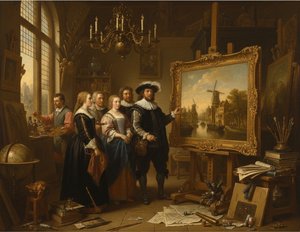
Illuminating Innovation: Exploring the Dutch Golden Age of Painting
Explore the Dutch Golden Age of painting with OriginalUniqueArt. Discover Rembrandt, Vermeer & other Masters. Learn about key characteristics, iconic artworks, and lasting influence. Expert insights for collectors & enthusiasts.