

 미리보기
미리보기
 공유하기
공유하기 공유하기
공유하기
 상세 정보
상세 정보

 다운로드
다운로드
 유사 작품
유사 작품 X-레이
X-레이 슬라이드 쇼
LES PYRENEES


 더 보기
더 보기
지클레 / 아트 프린트
빠른 제작과 다양한 마감 옵션을 제공하는 박물관 품질의 지클레이 또는 캔버스 프린트. ( 손으로 그린 그림 구매 이미지 구매)




P118B $10

P118H $10

P118W $10

P438Z $10

P508JH $12

P508YH $12

P805H $10

P805Z $10

P919BZ $10

P919G $10

P919XJ $10

P959ZH $10

P968JZ $12

W106C $8

W218G $10

W218JH $8

W218Y $10

W307PJ $10

W316G $10

W316PJ $8

W316Y $10

W398PJ $8

W4111J $10

W500HY $15

W500JH $15

W692G $12

W849H $8

W940BG $15

W953PJ $8




작품의 원본 비율을 유지하는 미리 설정된 크기 중에서 선택하세요.

특정 프레임이나 공간에 맞춰 직접 치수를 입력하실 수 있습니다. 선택하신 사이즈가 원본 이미지의 비율과 일치하지 않을 경우, 작품을 크롭(자르기)하거나 이미지를 대칭 또는 단색 채우기로 확장하여 제작합니다. 제작 시작 전, 최종 확인을 위해 디지털 목업이 전송됩니다.
화면상의 미리보기는 실제 크롭이나 확장 상태를 반영하지 않으므로, 최종 구도는 오직 목업을 통해서만 정확하게 확인하실 수 있습니다.
맞춤 사이즈 제작도 가능하지만, 원본 비율을 유지하기 위해서는 사전 정의된 목록에서 치수를 선택하시는 것을 권장합니다.


 유리 옵션은 110cm 미만 크기에서만 선택 가능합니다.

LES PYRENEES
지클레 / 아트 프린트
복제본 크기
-


최종 결제 금액
$ 80
작품 상세 설명
The Sublime Majesty of the Pyrenees
To gaze upon "Les Pyrenees" by Narcisso Díaz de la Peña is to be transported to a realm where nature reigns supreme, a vision steeped in the dramatic grandeur characteristic of Romanticism. This painting does not merely depict mountains; it captures the very breath of an immense landscape. The composition draws the viewer deep into the heart of the Pyrenees range, allowing the eye to wander through successive planes of receding blue and green. From the immediate foreground, where a meadow whispers with untold stories and forest edges soften under diffused light, the view climbs inexorably toward the monumental peaks that dissolve into an atmospheric haze. It is a masterful study in depth, inviting contemplation on the sheer scale of the natural world.
A Romantic Brushstroke Over Time
Díaz de la Peña’s technique speaks volumes about his era and his profound connection to the sublime. The handling of paint is wonderfully loose and expressive; one can almost feel the artist's hand guiding the pigment across the canvas. Rather than sharp, academic delineation, he employs visible brushstrokes that build texture—the rough materiality of rock faces contrasting with the soft suggestion of distant foliage. This approach eschews polished perfection for emotional truth. The palette itself is a symphony of muted earth tones: deep forest greens mingling with dusty blues and warm browns. These colors are not merely decorative; they evoke the specific, hushed light of an overcast day, lending the entire scene a contemplative, almost melancholic beauty.
Echoes of 19th-Century Romanticism
Positioned within the currents of 19th-century Spanish art, this work resonates with the spirit of Romanticism—a movement that elevated emotion and the untamed power of nature above Enlightenment rationality. Influenced by masters who sought to capture the sublime, Díaz de la Peña channeled a deep reverence for the Iberian landscape. For the collector or designer, owning such a piece is acquiring a tangible link to this period when art served as both documentation and spiritual meditation. It speaks to humanity’s enduring awe before geological time and natural immensity.
Bringing the Vista Home
Whether adorning a grand hall or lending quiet depth to a study, "Les Pyrenees" offers an unparalleled sense of escape. The inherent symbolism here is not overt but deeply felt: the mountains represent permanence, endurance, and the enduring spirit against the passage of time. The interplay between the detailed foreground and the ethereal background mirrors the human experience—the tangible reality we inhabit set against the vast, beautiful mysteries that lie beyond our immediate grasp. A high-quality reproduction allows one to bring this breathtaking vision of natural majesty into your personal sanctuary, transforming a wall into a window overlooking an eternal vista.
작가 약력
Narcisso Díaz de la Peña: A Romantic Vision of Nature
Narcisso Díaz de la Peña (1807 – 1876) stands as a singular figure in Spanish Romantic landscape painting, renowned for his meticulous depictions of Iberian flora and fauna imbued with profound symbolic resonance. Born into a noble family in Zaragoza, Aragón, Díaz de la Peña’s artistic journey began modestly but swiftly ascended to prominence thanks to his unwavering dedication to capturing the sublime beauty of the natural world—a pursuit deeply rooted in the philosophical currents of his time. His life's work serves as a bridge between the scientific precision of the Enlightenment and the emotive, spiritual depth characteristic of the Romantic era.
His formative years were marked by exposure to Enlightenment ideals and scientific observation, yet he embraced Romanticism's emotive response to experience rather than rational analysis. Influenced heavily by Eugène Delacroix’s dramatic canvases and Friedrich Reinhold Rauwolf’s sublime landscapes, Díaz de la Peña sought to convey not merely visual impressions but also spiritual contemplation. This ambition is palpable in his celebrated works where he skillfully blends classical compositional principles with Romantic color palettes to evoke a mood of serene repose amidst exotic surroundings—a deliberate allusion to the fascination with Orientalism prevalent during the era.
Technique and the Art of Observation
Díaz de la Peña’s technique was characterized by painstaking detail and scientific accuracy. He meticulously studied botanical specimens, employing watercolor pigments mixed with gum arabic to achieve astonishing realism—a testament to his commitment to representing nature faithfully. Unlike many of his contemporaries who favored looser brushstrokes, Díaz de la Peña painstakingly layered washes of color, capturing subtle variations in texture and luminosity. This meticulous approach is particularly evident in his landscapes, where he renders dense foliage with remarkable precision, highlighting the interplay of light and shadow to convey a sense of atmospheric depth.
His mastery extended beyond mere botanical study into the realm of narrative and character. In works such as Girl with Dogs or Bohemiennes mendicantes, the artist demonstrates an ability to weave human presence into the natural landscape, creating scenes that feel both intimate and timeless. Whether working on oil on panel or utilizing more delicate mediums, his ability to manipulate light allowed him to transform a simple landscape into a tranquil, almost meditative experience for the viewer.
Legacy and Historical Significance
The historical significance of Narcisso Díaz de la Peña lies in his ability to elevate the landscape genre within the Spanish tradition. By merging the rigorous observation of nature with the emotional intensity of Romanticism, he provided a unique perspective that resonated far beyond the borders of Spain. His works, now preserved in prestigious institutions such as the Victoria and Albert Museum, continue to inspire awe through their soft colors and tranquil scenes.
To understand his contribution is to appreciate the following elements of his artistic identity:
- The Romantic Spirit: A profound focus on the emotional connection between the observer and the natural world.
- Scientific Precision: An unparalleled dedication to botanical and anatomical accuracy in his subjects.
- Atmospheric Mastery: The use of light and layered pigments to create depth, texture, and a sense of living air.
- Cultural Synthesis: The blending of Spanish landscape traditions with the broader European movements of Orientalism and Romanticism.

narcisso díaz de la peña
1807 - 1876
주요 정보
- Artistic Movement Or Style: Romanticism
- Artists Who Influenced This Artist:
- Eugène Delacroix
- Caspar David Friedrich
- Date Of Birth: 1807
- Date Of Death: 1876
- Full Name: Narcisso Díaz de la Peña
- Nationality: Spanish
- Notable Artworks:
- Femmes mauresques au repos
- Sous bois
- Forêt de Fontainebleau
- Place Of Birth: Madrid, Spain
관련 기사 더 보기

낭만 풍경화의 황홀! 예술사에 빛난 10대 걸작 탐구 | 와후아트
낭만주의 시대, 예술혼을 불태운 10대 풍경화 걸작! 터너부터 프리드리히까지, 시대를 초월하는 아름다움을 와후아트에서 만나보세요. 고흐의 색채와 코로의 섬세함이 당신의 공간에 영감을 더합니다. 지금 바로 와후아트에서 명품 미술 작품을 감상하고 구매하세요!
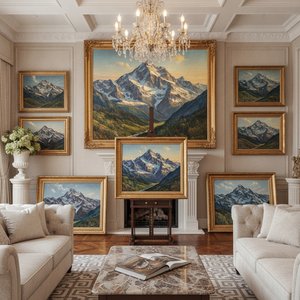
Majestic Peaks: Curating Exquisite Mountain Oil Paintings & Masterpiece Reproductions for Luxury Interiors
Elevate luxury interiors with exquisite mountain oil painting reproductions. From Romanticism to the Hudson River School, OriginalUniqueArt offers bespoke, hand-painted masterpieces and large-scale murals tailored for hotel designers and elite collectors worldwide.
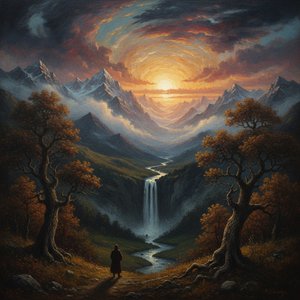
Capturing the Soul: The Emotional Magic and Sublime Grandeur of Romantic Landscape Painting
Explore the profound emotional depth of Romantic landscape painting. Discover how masters like Friedrich and Turner captured the sublime through light, shadow, and nature's power in this expert art history retrospective for discerning collectors.
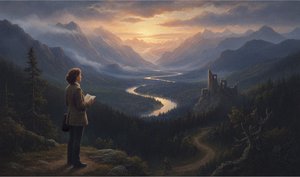
Capturing the Sublime: An Art Historian's Guide to the Emotional Grandeur of Romantic Landscape Painting
Discover the profound emotional depth of Romantic landscape painting. Explore the philosophy of the Sublime and the mastery of legends like Turner and Friedrich. Enhance your collection with museum-grade, hand-painted oil reproductions from OriginalUniqueArt.com.

Capturing the Sublime: A Guide to Romantic Landscape Art & Its Emotional Power
Explore the profound emotional power of Romantic landscape art. Discover how masters like Friedrich captured the sublime through breathtaking nature, and learn to curate these evocative masterpieces for your luxury interior collection.

