
 미리보기
미리보기
 공유하기
공유하기 공유하기
공유하기
 상세 정보
상세 정보 가이드 보기

 다운로드
다운로드
 유사 작품 더 보기
 X-레이
X-레이 슬라이드 쇼 보기
 질의응답
질의응답 통계 정보
통계 정보Self-portrait


 더 보기
더 보기
지클레 / 아트 프린트
빠른 제작과 다양한 마감 옵션을 제공하는 박물관 수준의 지클레이 및 캔버스 프린트. ( 수작업 채색 복제본 주문하기 디지털 이미지로 전환)




































작품의 원본 비율을 그대로 유지하는 프리셋 사이즈 중에서 선택해 보세요.

액자나 벽면 크기에 맞춰 필요한 가로와 세로 길이를 입력해 주세요. 프린트는 원본 이미지보다 크게 제작할 수 없으며 오직 자르는 것만 가능하므로, 비율이 다른 사이즈를 선택할 경우 이미지의 일부가 잘려 나갈 수 있습니다. 인쇄 작업에 들어가기 전, 최종 확인을 위해 디지털 목업을 보내드립니다. 이 페이지에 표시된 이미지는 실제 잘리는 영역을 나타내지 않으며, 오직 목업을 통해서만 정확한 확인이 가능합니다.


 유리 옵션은 110cm 미만 크기에서만 선택 가능합니다.

Self-portrait
지클레 / 아트 프린트
복제본 크기
-


최종 결제 금액
₩ 108463
작가 정보
A Life Painted Across Borders: The Story of Napoleon Michał Iłłakowicz
Napoleon Michał Iłłakowicz, a name perhaps unfamiliar to many, represents a fascinating intersection of Polish Romanticism, European artistic currents, and the turbulent political landscape of the 19th century. Born in Vilnius, Poland, in 1811, his life was one marked by both creative pursuit and patriotic fervor. Iłłakowicz wasn’t merely a painter; he was a witness to history, an émigré shaped by upheaval, and an artist who sought to capture not just likenesses but the very spirit of his nation amidst exile. His early artistic training took place at Vilnius University under Jan Rustem, laying the foundation for a career that would see him traverse France, Italy, Spain, and England before ultimately returning to his beloved Poland.From Uprising to Exile: The Formation of an Artist
The defining moment that propelled Iłłakowicz’s life onto its unconventional course was the November Uprising of 1830-31 – a desperate attempt by Poles to regain independence from Russian rule. His participation in this ill-fated rebellion proved pivotal, forcing him into exile after its suppression. This experience wasn't simply a disruption; it became a crucible for his artistic identity. The years spent wandering through Europe weren’t merely about honing technique but also about forging a sense of self and purpose away from home. He continued his studies in France, immersing himself in the Parisian art scene, then broadened his horizons further with time in Zaragoza. This period was crucial in developing his style – a blend of academic precision with an emerging sensitivity to realism, tinged by the emotional weight of his personal history. He wasn’t content to remain within one artistic sphere; he sought knowledge and inspiration from diverse sources, working at the court of Queen Victoria in London alongside periods spent in Italy and Spain.A Style Reflecting a Nation: Themes and Techniques
Iłłakowicz's oeuvre is characterized by a remarkable versatility, encompassing portraits, decorative works, and *self-portraits* that offer intimate glimpses into the artist’s soul. While he embraced academic conventions – evident in his meticulous drawing and balanced compositions – there’s a distinct emotional depth to his work. His paintings often reflect a quiet dignity and resilience, qualities perhaps born from his own experiences of displacement and struggle. The *Portrait of a Woman* (1852), painted during his time in Paris, exemplifies this mature period. The subject, an unknown woman likely close to the artist, is rendered with a delicate touch, showcasing a mid-19th century aesthetic that blends academic rigor with traces of Biedermeier informality. The subdued colors and careful attention to detail create an aura around the figure, drawing the viewer’s eye to her face and revealing a psychological depth beyond mere physical representation. His *Self-Portrait* is equally compelling, offering a powerful statement of artistic dedication and intellectual presence. He masterfully employed directional lighting and texture in his works, adding layers of complexity and realism.Return and Remembrance: The Final Years
In 1848, Iłłakowicz returned to Poland, settling first in Lviv and later in Vilnius. This homecoming wasn’t a return to normalcy; he remained under the watchful eye of the authorities due to his past involvement in revolutionary activities. Despite this surveillance, he continued to paint, leaving behind a small but significant body of work that offers valuable insights into Polish society and identity during a period of intense political repression. His later works demonstrate a refined technique honed through years of travel and study. He was a relatively obscure figure during his lifetime, yet his paintings resonated with contemporaries who appreciated his skill and sensitivity. The recent rediscovery of previously unknown works, like the *Portrait of an Unknown Noble Woman*, underscores the importance of Iłłakowicz in the broader context of 19th-century Polish art.Historical Significance and Legacy
Napoleon Michał Iłłakowicz’s significance lies not only in his artistic talent but also in his embodiment of the Polish Romantic spirit – a yearning for freedom, a deep connection to national identity, and a willingness to sacrifice personal comfort for political ideals. He was an artist who lived on the margins, constantly navigating between exile and homeland, revolution and repression. His paintings serve as poignant reminders of a nation struggling for self-determination and the individuals who dedicated their lives to its cause. While his work may not be widely known, it offers a unique perspective on 19th-century European art and the complex interplay between artistic expression and political upheaval. Illakowicz’s legacy is one of quiet resilience, artistic dedication, and a profound love for Poland – qualities that continue to resonate with viewers today. His story serves as a testament to the power of art to preserve memory, capture identity, and inspire hope in the face of adversity. He remains an important figure in understanding Polish art history.
Napoleon Michał Iłłakowicz
1811 - 1861 , Poland
작가 정보 요약
- Artistic Movement Or Style: 19th Century Painting
- Artists Who Influenced This Artist: ['Jan Rustem']
- Date Of Birth: 1811
- Date Of Death: 1861
- Full Name: Napoleon Michał Iłłakowicz
- Nationality: Polish
- Notable Artworks:
- Self-Portrait
- Portrait of a Woman
- Place Of Birth: Vilnius, Poland
관련 콘텐츠

Neo-Classicism's Greatest Hits: 10 Masterpieces for Your Home |
Journey through Neo-Classicism's finest! Explore 10 iconic masterpieces by David, Ingres & Canova. Discover art history, techniques & timeless beauty – perfect for inspiring your home decor. Find museum-quality reproductions at

Oil on Canvas: A Historical & Technical Exploration of a Timeless Artistic Medium
Explore the rich history & enduring techniques of oil painting on canvas. Discover the science behind its longevity, conservation practices, and contemporary relevance. Expert insights for art enthusiasts.
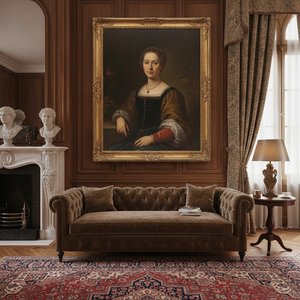
Timeless Elegance: The Ultimate Buyer's Guide to Choosing Classical Portraits for Sophisticated Interiors
Discover how to select the perfect classical portrait for your home. Our expert guide explores matching art styles to interiors, choosing between hand-painted oils and Giclée prints, and transforming personal photos into timeless masterpieces with professional artistry.

The Enduring Legacy of Oil on Canvas: Technique, History & Aesthetic Impact
Explore the rich history & techniques of oil painting – from Renaissance masters to Impressionism. Discover pigments, layering methods, and why this timeless medium endures. Expert insights for artists & art enthusiasts.
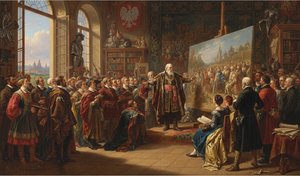
Jan Matejko: Historical Narrative & National Identity in 19th-Century Polish Painting
Explore the powerful historical paintings of Jan Matejko, Poland's national artist. Discover his iconic works & learn how he shaped Polish identity in the 19th century. High-quality reproductions available.