
 실제 크기로 보기
 보내기
보내기 공유하기
공유하기
 상세 보기
상세 보기 가이드 보기

 이미지 다운로드
 유사 작품 더 보기
 X-레이
X-레이 슬라이드 쇼 보기
 통계 정보
통계 정보Self-Portrait
 Acrylic On Canvas
- WallArt
 1909
1909 610.0 x 806.0 cm
 Artizon Museum
 상세 보기
상세 보기
지클레 / 아트 프린트
빠른 제작과 다양한 마감 옵션을 선택할 수 있는 박물관 수준의 지클레이 및 캔버스 프린트. ( 수작업 채색 복제본 주문하기 디지털 이미지 판매 채널로 전환)




P118B ₩10

P118H ₩10

P118W ₩10

P438Z ₩10

P508JH ₩12

P508YH ₩12

P805H ₩10

P805Z ₩10

P919BZ ₩10

P919G ₩10

P919XJ ₩10

P959ZH ₩10

P968JZ ₩12

W106C ₩8

W218G ₩10

W218JH ₩8

W218Y ₩10

W307PJ ₩10

W316G ₩10

W316PJ ₩8

W316Y ₩10

W398PJ ₩8

W4111J ₩10

W500HY ₩15

W500JH ₩15

W692G ₩12

W849H ₩8

W940BG ₩15

W953PJ ₩8




작품의 원본 비율을 그대로 유지하는 프리셋 사이즈 중에서 선택해 보세요.

액자나 벽면 크기에 맞춰 필요한 가로와 세로 길이를 입력해 주세요. 프린트는 원본 이미지보다 크게 제작할 수 없으며 오직 자르는 것만 가능하므로, 비율이 다른 사이즈를 선택할 경우 이미지의 일부가 잘려 나갈 수 있습니다. 인쇄 작업에 들어가기 전, 최종 확인을 위해 디지털 목업을 보내드립니다. 이 페이지에 표시된 이미지는 실제 잘리는 영역을 나타내지 않으며, 오직 목업을 통해서만 정확한 확인이 가능합니다.


 유리 옵션은 110cm 미만 크기에서만 선택 가능합니다.

Self-Portrait
지클레 / 아트 프린트
복제본 규격
-


총 결제 금액
₩ 109181
A Window into Soul: Examining Nakamura Tsune’s “Self-Portrait”
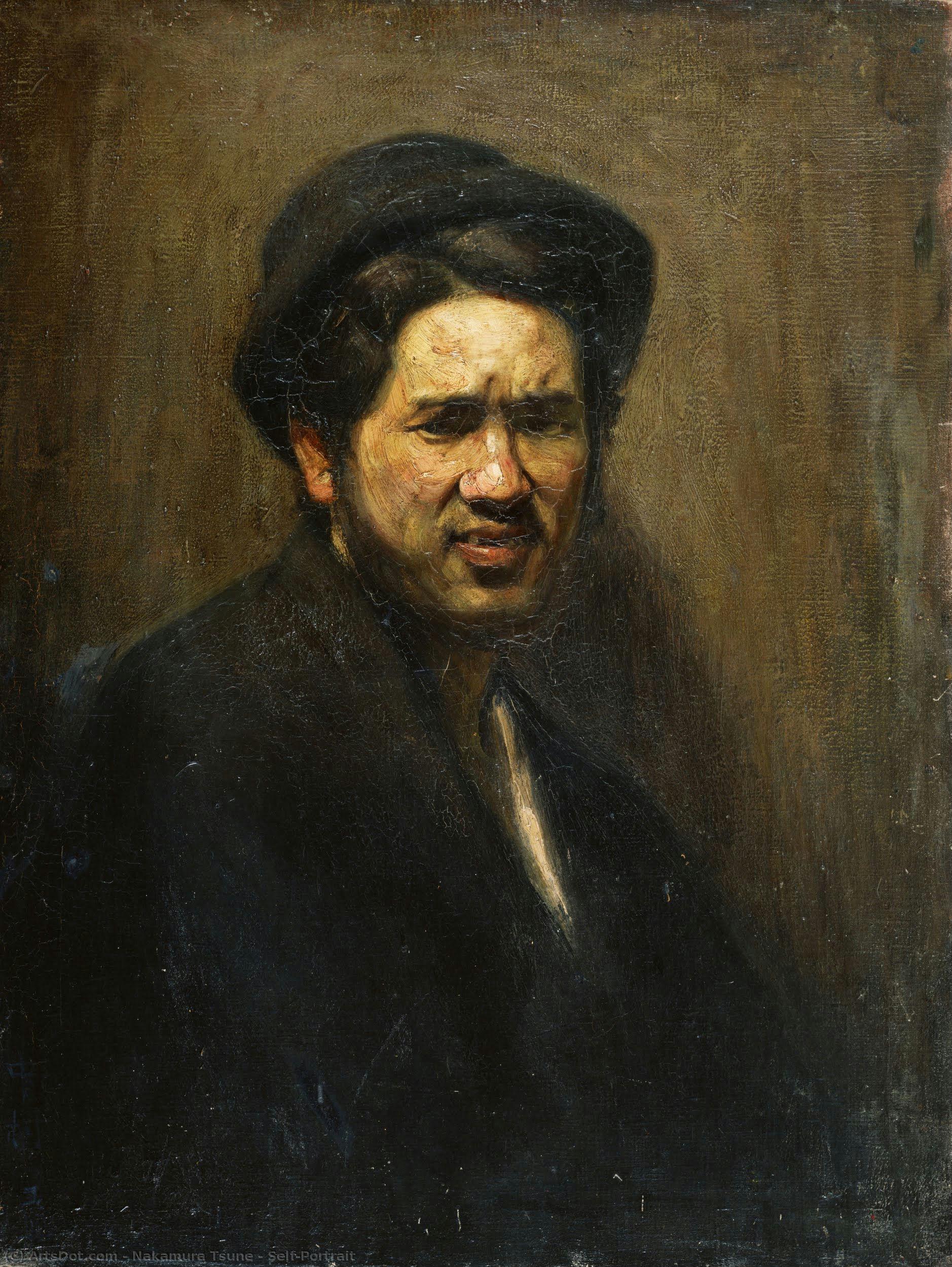
Nakamura Tsune’s “Self-Portrait,” completed in 1909, stands as a poignant testament to the burgeoning Kanō School aesthetic and a deeply personal exploration of artistic identity. Measuring an impressive 610 x 806 cm on canvas, this monumental work immediately draws the eye with its masterful use of chiaroscuro – dramatic contrasts between light and shadow – reminiscent of Rembrandt’s iconic portraits.
The photograph captures a meticulously rendered depiction of Tsune himself. He is positioned centrally within the frame, bathed in an intense beam of illumination originating from the upper left corner. This deliberate compositional choice isn't merely stylistic; it serves to amplify the figure’s presence and directs the viewer’s gaze directly onto his face, fostering a palpable connection between artist and observer – a hallmark of humanist portraiture prevalent during the early 20th century.
The Kanō School Influence & Artistic Technique
Tsune's style is undeniably rooted in the Kanō School tradition, known for its emphasis on idealized beauty and spiritual contemplation. The artist employs meticulous brushwork—characteristic of Kanō painters—to achieve remarkable textural detail, particularly evident in the folds of his shirt and the subtle nuances of skin tone. Careful layering of pigments creates depth and luminosity, mirroring the influence of Rembrandt’s masterful use of light to convey emotion.
- Brushwork: Precise, layered strokes emulate Kanō School techniques for capturing form and texture.
- Color Palette: Primarily muted tones—browns, ochres, and blacks—reflect the solemn mood and contribute to the overall sense of introspection.
- Composition: Central placement emphasizes the subject’s gaze and reinforces the portrait's communicative power.
Historical Context & Symbolic Resonance
Created during a period of significant artistic experimentation in Japan, “Self-Portrait” reflects the broader cultural anxieties surrounding tuberculosis – Tsune himself suffered from this illness during his formative years. The image transcends mere representation; it embodies a profound engagement with themes of vulnerability and resilience—qualities that resonate powerfully across time.
The stark illumination serves as a visual metaphor for confronting inner darkness, mirroring the artist’s own struggle for self-understanding. Furthermore, Tsune's gaze – unwavering and direct – speaks to an enduring artistic impulse: to capture not just likeness but also spirit—a desire that continues to inspire artists today.
Emotional Impact & Artistic Legacy
"Self-Portrait" transcends its formal qualities to evoke a feeling of quiet contemplation. It invites viewers to consider questions of identity, mortality, and the pursuit of artistic excellence. Like Rembrandt’s portraits before it, Tsune's work remains an enduring symbol of human dignity and artistic introspection—a masterpiece that continues to captivate audiences worldwide.
질의응답
"Self-Portrait"의 원작은 어느 박물관에 소장되어 있나요?
Self-Portrait의 원작은 Artizon Museum, 도쿄, Japan에서 관람하실 수 있습니다.
"Self-Portrait"은(는) 어떤 분위기를 담고 있나요?
"Self-Portrait"은(는) Elegant 분위기를 자아냅니다.
"Self-Portrait"이(가) 공간에 어떤 분위기를 선사할까요?
Nakamura Tsune의 "Self-Portrait"의 Elegant한 분위기는 추천 공간인 Living Room과 완벽하게 어우러집니다.
작가 소개
Nakamura Tsune: Life and Legacy
Early Life and Struggles
Nakamura Tsune, a Japanese artist, was born in 1887 in what is now Mito City, Japan. His life began amidst hardship; his father passed away when he was just one year old, followed by the loss of his mother when he was eleven. Despite this tumultuous start, he persevered and pursued his artistic aspirations.
Artistic Aspirations and Training
After graduating from the Nagoya Army Cadet School in 1904, Tsune’s plans for a military career were thwarted by tuberculosis. During his convalescence, he discovered a passion for painting. In 1906, he joined the research institute of the White Horse Society, where he honed his artistic skills and began to develop his unique style.
Notable Works and Exhibitions
Nakamura Tsune’s talent quickly gained recognition. Some of his most celebrated works include:
- Cloudy Morning and Cliffs – Featured in the third Bunten exhibition in 1909, with Cliffs receiving a commendation. This work is now part of the Museum of the Imperial Collections.
- Girl – Awarded a prize at the eighth Bunten exhibition in 1914.
- Other significant works include Dr. Tanakadate and Nude, showcased at the eleventh Bunten exhibition in 1916.
Personal Life and Relationships
In 1913, Sōma Toshiko, daughter of Aizō and Kokkō, became his model. His proposal to her in 1915 faced opposition from her parents, adding another layer of complexity to his personal life. Despite these challenges, he continued to dedicate himself to his art.
Artistic Style and Influences
Nakamura Tsune’s work demonstrates influences from the Kanō School, a traditional Japanese painting style known for its detailed brushwork and classical themes. However, he also incorporated elements of Western artistic techniques, resulting in a unique blend of tradition and modernity. His paintings often feature evocative landscapes and intimate portraits.
Legacy and Passing
Nakamura Tsune’s life was marked by both adversity and artistic achievement. He passed away in 1924 at the age of 37 in his studio in Shimo-ochiai, Shinjuku. His remains were interred at Gion-ji (祇園寺) in Mito the following year. Though his career was cut short, his artistic legacy continues to inspire and captivate art enthusiasts today.
Historical Significance
Tsune’s work provides a glimpse into early 20th-century Japan, reflecting the social changes and artistic experimentation of the era. His ability to blend traditional Japanese aesthetics with Western influences makes him a significant figure in the history of Japanese art.

Nakamura Tsune
1887 - 1924 , Japan
작가 정보 요약
- Name: Nakamura Tsune
- Movement: Kanō School
- Birth Date: 1887
- Death Date: 1924
- Birth Place: Mito, Japan
- Nationality: Japanese
- Date Of Birth: 1887
- Date Of Death: 1924
- Notable Works:
- Cloudy Morning and Cliffs
- Girl
- Dr. Tanakadate
- Nude
- Place Of Birth: Mito, Japan
관련 기사

Evocations of Place: A Historical Journey Through Landscape Art
Explore the rich history of landscape art with OriginalUniqueArt. Discover renowned artists, movements like Impressionism & Romanticism, and expert guidance for collecting timeless pieces. Find your perfect serene escape today!

낭만 풍경화의 황홀! 예술사에 빛난 10대 걸작 탐구 | 와후아트
낭만주의 시대, 예술혼을 불태운 10대 풍경화 걸작! 터너부터 프리드리히까지, 시대를 초월하는 아름다움을 와후아트에서 만나보세요. 고흐의 색채와 코로의 섬세함이 당신의 공간에 영감을 더합니다. 지금 바로 와후아트에서 명품 미술 작품을 감상하고 구매하세요!

Evoking Nature's Sublime: A Comprehensive Exploration of 19th-Century Landscape Painting
Explore the captivating world of 19th-century landscape painting! Discover renowned artists like Friedrich & Monet, key movements, and find the perfect artwork to bring nature's serenity into your home. Expert insights at OriginalUniqueArt.

가츠시카 호쿠사이 최고 걸작 25선: 우키요에의 정수를 만나다 | OriginalUniqueArt
가츠시카 호쿠사이의 최고 걸작 25선을 만나보세요. 우키요에, 대판화 기법과 후지산 풍경의 아름다움을 담은 명작들을 감상하고, OriginalUniqueArt에서 고품질 아트 프린트와 인테리어 액자를 찾아보세요. 지금 바로 컬렉션을 탐험하세요!
Zen on Canvas: The Timeless Artistry and Spiritual Depth of Japanese Landscape Painting
Explore the profound beauty of Japanese landscape painting. From Hokusai's iconic vistas to Zen-inspired compositions, discover the spiritual depth and historical mastery of Ukiyo-e art in this expert cultural retrospective.