

 실제 크기로 보기
 보내기
보내기 공유하기
공유하기
 상세 보기
상세 보기 가이드 보기

 이미지 다운로드
 유사 작품 더 보기
 X-레이
X-레이 슬라이드 쇼 보기
 통계 정보
통계 정보Lady with a White Parasol
 Impressionism
 1910
1910 90.0 x 65.0 cm
 상세 보기
상세 보기
핸드메이드 유화 복제화
작가가 직접 캔버스에 손으로 그린 유화 작품으로, 원하는 크기와 액자로 맞춤 제작해 드립니다. ( 프린트 판매로 전환 디지털 이미지 판매 채널로 전환)




































작품의 원본 비율을 그대로 유지하는 프리셋 사이즈 중에서 선택해 보세요.

특정 프레임이나 공간에 맞춰 원하는 크기를 직접 입력하실 수 있습니다. 선택하신 크기가 원본 이미지의 비율과 일치하지 않을 경우, 작품을 자르거나 추가적인 수작업 요소를 더해 그림을 확장하여 제작합니다. 제작 시작 전, 최종 확인을 위해 디지털 목업을 보내드립니다.
화면상의 미리 보기는 실제 크롭(자르기)이나 확장된 상태를 완벽히 반영하지 않을 수 있습니다. 최종 구도는 오직 목업을 통해서만 정확하게 확인하실 수 있습니다.
맞춤 크기 제작도 가능하지만, 원본의 비율을 그대로 유지하기 위해서는 미리 정의된 목록에서 크기를 선택하시는 것을 권장합니다.
주문 완료 후 OriginalUniqueArt.com 팀에서 상세 안내를 위해 고객님께 이메일을 보내드리며, 미리보기 시안을 함께 제공해 드립니다.


 유리 옵션은 110cm 미만 크기에서만 선택 가능합니다.

Lady with a White Parasol
재현 매체
복제본 규격
-


총 결제 금액
$ 300
작가 소개
Nadežda Petrović: A Pioneer of Serbian Impressionism and a Voice of Courage
Nadežda Petrović (1873-1915) stands as a monumental figure in the history of Serbian art, often hailed as Serbia’s most celebrated Impressionist and Fauvist. More than simply a painter, she was a trailblazer – one of the first women to achieve significant recognition within the male-dominated artistic landscape of her time, and a compassionate humanitarian who bravely served as a nurse during two devastating wars. Her vibrant canvases, imbued with a unique blend of observation and emotion, capture the essence of early 20th-century Serbia, while her unwavering commitment to service reflects a profound sense of humanity.
Born in Čačak, Principality of Serbia, on October 11 or 12, 1873, Nadežda’s artistic journey began within a family deeply rooted in culture and creativity. Her father, Dimitrije Petrović, was an art teacher and literature enthusiast with a passion for collecting artworks – a legacy that undoubtedly shaped her early sensibilities. He later transitioned into finance and politics, though his health ultimately led to relocation. Her mother, Mileva Petrović, was a schoolteacher and possessed connections to prominent Serbian political figures, including Svetozar Miletić. This privileged upbringing provided her with both artistic guidance and exposure to intellectual circles, fostering an environment conducive to her burgeoning talent.
Early influences were multifaceted. She received foundational instruction from her father, who instilled in her a love for drawing and painting, complemented by lessons from the renowned realist painter Đorđe Krstić. Later, she studied with Slovakian artist Anton Ažbe in Munich, broadening her artistic horizons and exposing her to European artistic trends. This period marked a crucial stage in her development, allowing her to refine her technique and experiment with various styles. Petrović’s work quickly gained recognition across Europe, with exhibitions held in numerous cities between 1901 and 1912 – a testament to the growing appreciation for her distinctive style.
A Palette of Emotion: Style and Technique
Nadežda Petrović's artistic style is characterized by a captivating blend of Impressionism, Fauvism, and elements of Secession. Her landscapes are rendered with loose brushstrokes and vibrant colors, capturing the fleeting effects of light and atmosphere – hallmarks of Impressionism. However, she often employed bold, non-naturalistic hues, reminiscent of the Fauvist movement, injecting her paintings with a heightened sense of emotional intensity. She skillfully blended these influences to create a uniquely Serbian aesthetic, reflecting both the beauty of her homeland and her own deeply felt emotions.
Her subjects ranged from intimate portraits – such as “Lady with a White Parasol” (1910), an ethereal depiction of a woman in a serene garden setting – to expansive landscapes that celebrated the rolling hills and vibrant colors of Serbia. She also documented the realities of war, producing poignant photographs capturing the suffering and resilience of Serbian soldiers during the Balkan Wars. This dual focus—beauty and brutality—underscores her complex artistic vision.
A Life Defined by Service: The Balkan Wars and World War I
Tragically, Nadežda Petrović’s life was cut short amidst two periods of immense national upheaval. In 1912, following the outbreak of the Balkan Wars, she bravely volunteered as a nurse, dedicating herself to caring for wounded Serbian soldiers. Her selfless service earned her recognition with a Medal for Bravery and an Order of the Red Cross – symbols of her unwavering commitment to humanity.
However, her most profound contribution came during World War I. As the conflict escalated, she once again answered the call, tirelessly tending to the injured in field hospitals. Despite contracting typhus and cholera, she continued her work until 1913, demonstrating extraordinary courage and compassion. Sadly, her health deteriorated rapidly, and she succumbed to these illnesses on April 3, 1915, in Valjevo. Her final act of service—a testament to her unwavering spirit—was to continue nursing Serbian soldiers even in the face of imminent death.
Legacy and Recognition
Despite a tragically short life, Nadežda Petrović left an indelible mark on Serbian art. Her work is now recognized as a cornerstone of Yugoslav art history, representing a unique synthesis of national identity and European artistic influences. Her paintings are held in numerous collections throughout Serbia and beyond, and her story continues to inspire generations of artists and humanitarians alike.
Today, the Nadežda Petrović Art Gallery in Čačak serves as a vital center for preserving and promoting her legacy. Her life and work stand as a powerful reminder of the courage, creativity, and compassion that can emerge from even the most challenging circumstances – solidifying her place as one of Serbia’s most important artistic figures.
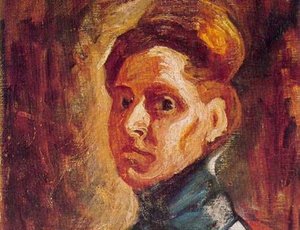
nadezda petroviae
1873 - 1915 , Serbia
작가 정보 요약
- Artistic Movement Or Style: Impressionism, Fauvism
- Artists Or Movements Influenced By This Artist: ['Anton Ažbe']
- Artists Who Influenced This Artist: ['Đorđe Krstić']
- Date Of Birth: October 11, 1873
- Date Of Death: April 3, 1915
- Full Name: Nadežda Petrović
- Nationality: Serbian
- Notable Artworks:
- Lady with a White Parasol
- Bois de Boulogne
- Place Of Birth: Čačak, Serbia
관련 기사

The Timeless Charm of Oil on Board: Reimagining Texture and Light through the Impressionist Lens
Discover the profound intimacy of oil on panel. Explore how Impressionist masters used rigid supports to capture light, texture, and impasto depth through exquisite, handmade oil reproductions for discerning collectors.

Moonlight Magic: Capturing the Luminous Glow of Impressionist Nightscapes
Discover the ethereal beauty of Impressionist nightscapes. Explore how masters like Monet and Van Gogh captured moonlight through luminous oil textures. Expert insights for collectors seeking museum-quality, handmade reproductions to transform their homes with timeless nocturnal magic.
Cultivating Paradise: A Historical & Artistic Exploration of Gardens in Painting
Explore the rich history of gardens in painting! Discover masterpieces from Renaissance to Impressionism & beyond. Learn about symbolism, artists like Monet & Klimt, and find your perfect artwork at OriginalUniqueArt.

White on Canvas: 10 Masterpieces & Timeless Elegance for Your Home Decor
Explore 10 iconic white paintings by Monet, Whistler & Rothko! Discover the stories behind these serene masterpieces and their impact on art history. Find museum-quality reproductions for your home decor at .
The Soul of Impressionism: Why Oil on Canvas Captures Eternal Light and Timeless Emotion
Discover the enchanting alchemy of Impressionism. Explore how the mastery of oil on canvas, through glazing and impasto, captures eternal light and emotion. Perfect for lovers of Monet and Van Gogh seeking the profound depth of hand-painted fine art.