

 미리보기
미리보기
 공유하기
공유하기 공유하기
공유하기
 상세 정보
상세 정보

 다운로드
다운로드
 유사 작품
유사 작품 X-레이
X-레이 슬라이드 쇼
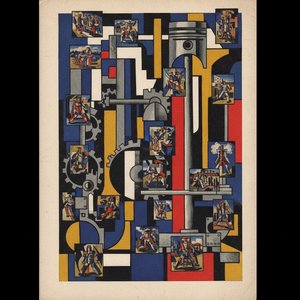
Synthetic Arrangement


 더 보기
더 보기
지클레 / 아트 프린트
빠른 제작과 다양한 마감 옵션을 제공하는 박물관 품질의 지클레이 또는 캔버스 프린트. ( 손으로 그린 그림 구매 이미지 구매)




































작품의 원본 비율을 유지하는 미리 설정된 크기 중에서 선택하세요.

특정 프레임이나 공간에 맞춰 직접 치수를 입력하실 수 있습니다. 선택하신 사이즈가 원본 이미지의 비율과 일치하지 않을 경우, 작품을 크롭(자르기)하거나 이미지를 대칭 또는 단색 채우기로 확장하여 제작합니다. 제작 시작 전, 최종 확인을 위해 디지털 목업이 전송됩니다.
화면상의 미리보기는 실제 크롭이나 확장 상태를 반영하지 않으므로, 최종 구도는 오직 목업을 통해서만 정확하게 확인하실 수 있습니다.
맞춤 사이즈 제작도 가능하지만, 원본 비율을 유지하기 위해서는 사전 정의된 목록에서 치수를 선택하시는 것을 권장합니다.


 유리 옵션은 110cm 미만 크기에서만 선택 가능합니다.

Synthetic Arrangement
지클레 / 아트 프린트
복제본 크기
-


최종 결제 금액
$ 80
Synthetic Arrangement: A Dynamic Exploration of Form and Color
Morris Kantor's "Synthetic Arrangement," painted in 1922, is a striking example of early Cubist experimentation within the American art scene. Measuring an impressive 197 x 141 cm, this large-scale oil on canvas presents a complex interplay of geometric shapes and a warm color palette, creating a visually dynamic and intellectually stimulating composition.
Subject and Style: Deconstructing Reality
"Synthetic Arrangement" exemplifies the core tenets of Cubism. Rather than depicting objects from a single viewpoint, Kantor fragments forms and reassembles them across multiple perspectives on a single plane. The artwork centers around an abstracted human figure, seemingly emerging from or interwoven with a network of angular shapes – triangles, rectangles, and more rounded, overlapping forms. This fragmentation isn't chaotic; it’s deliberate, suggesting a process of deconstruction and reconstruction. The style is heavily influenced by European Cubist pioneers like Pablo Picasso and Georges Braque, but Kantor brings his own distinct sensibility to the movement.
Technique and Composition: Layered Depth and Impasto
Kantor’s technique involves thickly applied oil paint, creating a noticeable impasto effect that adds texture and visual interest. The brushstrokes are evident, contributing to the sense of dynamism and layered depth within the composition. The lighting is dramatic, with strong highlights emphasizing the edges of the shapes and casting deep shadows that define the forms. This creates a flattened perspective; traditional three-dimensionality is eschewed in favor of overlapping planes and contrasting values. The vertical orientation of the canvas emphasizes an upward thrust, potentially symbolizing aspiration or transformation.
Historical Context and Symbolism: A Post-War Aesthetic
Created in 1922, "Synthetic Arrangement" reflects a period of significant artistic innovation following World War I. Cubism emerged as a reaction against traditional representational art, seeking to capture the essence of objects rather than their literal appearance. The fragmented nature of the composition can be interpreted as symbolic of disruption or transformation – perhaps reflecting the societal upheaval and anxieties of the post-war era. While Kantor doesn't offer explicit narrative elements, the overall effect is one of energy, tension, and a deliberate rejection of representational accuracy in favor of formal exploration.
Emotional Impact: Energy and Contemplation
Despite its abstract nature, "Synthetic Arrangement" evokes a powerful emotional response. The warm color palette—dominated by reds, oranges, and yellows—creates a sense of vibrancy and warmth, while the sharp lines and fragmented forms generate a feeling of tension and dynamism. The abstracted figure invites contemplation – is it in motion, caught in a moment of action, or engaged in quiet introspection? Ultimately, Kantor’s work challenges viewers to engage with art on a purely formal level, appreciating the interplay of shapes, colors, and textures while simultaneously prompting deeper reflections on themes of transformation and perception.
작가 약력
Morris Kantor (1896–1974): Bridging Cubism and American Realism
Morris Kantor (1896–1974) was a Russian-born American painter whose artistic journey spanned diverse styles, ultimately establishing him as a significant figure in 20th-century art. Born in Minsk, Russia—now Belarus—Kantor emigrated to the United States in 1906, settling primarily in New York City where he cultivated his career and honed his distinctive vision. His formative years were marked by exposure to European avant-garde movements, particularly Cubism and Futurism, experiences that profoundly shaped his artistic sensibilities.- Early Influences: Kantor’s initial training encompassed traditional Russian academic painting, providing him with a foundational understanding of composition and technique. However, he quickly gravitated toward the revolutionary ideas championed by artists like Picasso and Braque, immersing himself in the geometric explorations characteristic of Cubism.
- Futurist Experimentation: Embracing the dynamism and energy of Futurism—a movement advocating for speed, technology, and rejection of traditional artistic conventions—Kantor produced canvases infused with bold colors and fragmented forms. This period demonstrated his willingness to challenge established norms and push boundaries within the art world.
- Notable Works: Kantor’s oeuvre includes iconic pieces such as “Baseball at Night,” a mesmerizing depiction of a baseball game illuminated by moonlight—a masterful blend of Cubist fragmentation and atmospheric realism. This artwork exemplifies his ability to convey complex narratives through visual language.
- Smithsonian Legacy: Kantor's paintings are housed in the Smithsonian American Art Museum’s collection, ensuring that his artistic contributions endure for generations to come. His work continues to inspire artists and scholars alike, serving as a testament to his enduring influence on American art history.

morris kantor
1896 - 1974
주요 정보
- Artistic Movement Or Style: Cubism & Futurism
- Date Of Birth: 1896
- Date Of Death: 1974
- Full Name: Morris Kantor
- Nationality: Russian
- Notable Artworks: ['Baseball at Night']
- Place Of Birth: Minsk, Russia
관련 기사 더 보기

기하학적 추상 미술을 정의한 명작 10가지 | OriginalUniqueArt.com
몬드리안, 말레비치 등 거장들의 기하학적 추상 미술 명작 10선을 만나보세요. 각 작품의 예술사적 의미와 색채, 구성을 탐구하고 OriginalUniqueArt.com에서 고품질 아트 프린트를 소장하세요. 지금 바로 온라인 컬렉션을 확인하세요!

Neo-Abstract Art: The High-Impact Evolution of Modern Visual Energy and Geometric Sophistication
Discover the power of Neo-Abstract art. Explore how bold geometric forms and high-impact visual energy are redefining modern design. Learn to curate sophisticated, high-energy spaces with the latest trends in contemporary abstraction and structural color.

Beyond Form & Color: Geometric Abstraction's Evolution in 20th/21st Century Art
Explore the evolution of geometric abstraction from Cubism to contemporary art. Discover key artists like Malevich & Mondrian, investment insights, and expert collecting advice at OriginalUniqueArt.

Beyond Form & Color: Geometric Abstraction's Enduring Legacy in Art History
Explore the captivating world of geometric abstraction! Discover its origins, key artists like Malevich & Mondrian, and why this movement remains highly valued by art collectors today. Expert insights at OriginalUniqueArt.
페르낭 레제 최고 걸작 25선: 현대 미술의 거장을 만나다 | OriginalUniqueArt
페르낭 레제의 최고 걸작 25선을 만나보세요. 큐비즘, 추상 미술의 거장이 그린 명작들의 탄생 비화와 예술적 의미를 탐구합니다. OriginalUniqueArt에서 고품질 아트 프린트와 인테리어 액자로 공간에 예술을 더하세요. 지금 바로 컬렉션을 확인하세요!