
 실제 크기로 보기
 보내기
보내기 공유하기
공유하기
 상세 보기
상세 보기 가이드 보기

 이미지 다운로드
 유사 작품 더 보기
 X-레이
X-레이 슬라이드 쇼 보기
 통계 정보
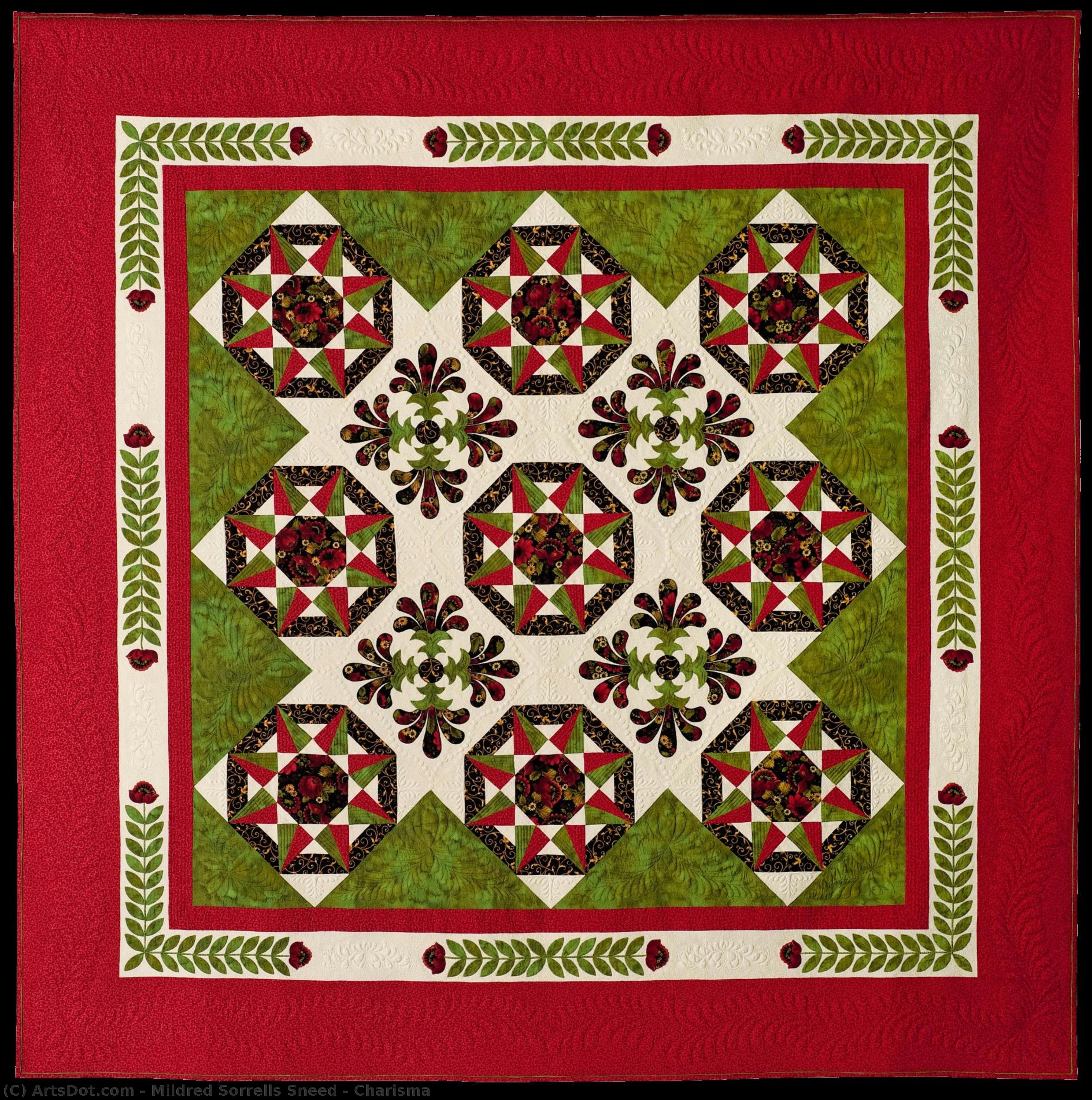
통계 정보카리스마


 상세 보기
상세 보기
온라인 미리보기보다 훨씬 뛰어난 품질의 고해상도 디지털 이미지를 구매해 보세요.
각 파일은 사내 전문가가 고급 도구와 숙련된 수동 리터칭 기술을 사용하여 세심하게 준비합니다. 우리는 모든 이미지가 탁월한 선명도, 정확한 색상 재현력, 그리고 미세한 디테일까지 완벽하게 갖추도록 보장합니다.
최종 파일은 전문적인 편집 및 인쇄 환경에서 즉시 사용할 수 있도록 최적화되어 72시간 이내에 이메일로 발송됩니다. 이는 세계적인 디자인 스튜디오, 출판사 및 갤러리가 신뢰하는 것과 동일한 품질입니다.
디지털 이미지
개인 소장 및 전시, 인쇄, 창작 프로젝트를 위한 고해상도 파일을 다운로드하세요. ( 프린트 판매로 전환 수작업 채색 복제본 주문하기)
모든 디지털 이미지 주문 시 제공되는 혜택
전문적인 디지털 이미지 전송 보장
OriginalUniqueArt.com를 선택하시면 단순히 이미지를 받는 것을 넘어, 정밀한 보정 과정을 거쳐 완성된 전문적인 디지털 예술 작품을 만나보실 수 있습니다. 모든 작품에는 만족 보장 서비스가 함께 제공되며, 주문 시 다음과 같은 사항들이 자동으로 포함됩니다:

빠른 이메일 수령
주문 후 72시간 이내에 고해상도 디지털 이미지 파일이 이메일로 발송되며, 즉시 사용하실 수 있습니다.

AI 기술로 최적화된 디지털 파일
귀하의 작품은 고급 AI 기술과 정교한 수동 편집 과정을 거쳐 전문적으로 최적화되며, 이를 통해 디테일과 선명도, 색상의 정확도를 극대화합니다.

평생 무료 재전송 서비스
파일을 실수로 삭제하거나 분실하셨나요? 걱정 마세요. 언제든 무료로 다시 보내드립니다.

추가 수입 비용 없음 - 언제나
관세나 부가세, 배송비 부담 없이 작품을 즉시 소장하세요 - 디지털 다운로드는 언제나 면세 혜택이 적용됩니다.

정확한 색상 보장
전문적인 도구와 색상 관리 시스템을 통해 디지털 이미지가 원본의 색상을 최대한 정확하게 구현하도록 보장합니다.

100일 만족 보장제
구매하신 디지털 이미지에 만족하지 못하실 경우, 100일 이내에 별도의 조건 없이 수정 또는 100% 환불을 진행해 드립니다.

100% 환불 보장
만족스럽지 않으신가요? 디지털 파일을 받으신 후 100일 이내에 조건 없이 전액 환불해 드립니다.

대량 주문 할인
이미지 3매 구매 시 10% 할인 - 5매 구매 시 15% 할인 - 10매 이상 구매 시 20% 할인. 크리에이티브 프로젝트, 갤러리, 에이전시에 매우 유용합니다.
미들레드 서롤스 스네이드의 카라마 작품 소개
카라마는 영국 화가 미들레드 서롤스 스네이드가 2010년에 제작한 아름다운 수공예 담요입니다. 이 작품은 빨간색 배경에 녹색, 흰색, 검은색 및 빨간색 색상을 활용하여 정교하고 매혹적인 디자인을 선보이며 보는 이의 감성을 자극합니다. 담요는 원과 다이아몬드 모양으로 이루어진 패턴으로 구성되어 있으며, 이러한 요소들이 복잡하면서도 시각적으로 흥미로운 효과를 연출합니다. 테이블 위에 전시된 카라마는 색상의 선명함과 독특한 디자인을 잘 보여줍니다. 클로즈업 촬영은 담요의 섬세한 디테일을 강조하며 이 작품이 예술가로서 특별함을 드러냅니다.- 화가 정보: 미들레드 서롤스 스네이드 (Mildred Sorrells Sneed)
- 출생 연도: 불명
- 사망 연도: 1835년
- 출생 도시: 맥콤 카운티
- 출생 국가: 미국
질의응답
Mildred Sorrells Sneed 작가의 다른 활동명이나 알려진 이름이 있나요?
Mildred Sorrells Sneed은(는) Mildred Sorrells라는 다른 이름으로도 알려져 있습니다.
"카리스마"의 고해상도 다운로드 버전을 구매할 수 있나요?
"카리스마"은(는) 디지털 이미지 페이지에서 직접 구매 가능한 고해상도 디지털 이미지 다운로드 형태로 제공됩니다.
Mildred Sorrells Sneed의 "카리스마"의 대비는 어느 정도로 강한가요?
Mildred Sorrells Sneed의 "카리스마"은(는) 밝은 부분과 어두운 부분 사이의 진술문 대비를 보여줍니다.
아티스트 프로필
The Fabric of Heritage: The Artistry of Mildred Sorrells Sneed
In the quiet, rhythmic motion of a needle passing through fabric, there exists a profound form of storytelling that transcends mere decoration. Mildred Sorrells Sneed stands as a luminous figure in this tradition, a master of American quilting whose work serves as a vibrant bridge between ancestral heritage and contemporary textile art. Her creations, most notably the celebrated pieces ‘Charisma’ and ‘Golden Glow’, are not simply quilts; they are intricate tapestries of memory, texture, and light that capture the very essence of American quilting artistry. To encounter her work is to step into a world where every stitch holds a heartbeat and every pattern reflects a legacy of meticulous craftsmanship dating back centuries.
The soul of Sneed’s work lies in its ability to evoke the warmth of the domestic sphere while maintaining a sophisticated aesthetic complexity. Her approach to quilting mirrors the depth found in fine painting, utilizing color theory and structural design to create visual movement across the surface of her quilts. Through her hands, the medium of quilting is elevated from a functional craft to a high art form, characterized by an extraordinary attention to detail and an emotional resonance that speaks to the viewer's sense of home and history. Her mastery over light and texture allows her pieces to transform under different settings, much like a landscape painting reacting to the shifting sun.
A Legacy Woven in Time
The historical significance of Mildred Sorrells Sneed’s contribution to the textile arts cannot be overstated. She operates within a lineage of American quilters that stretches back to 1746, a period when quilting was both a necessity and a communal language. Her work honors this deep-rooted tradition while pushing the boundaries of what a quilt can represent in a modern context. By infusing her designs with a sense of "charisma" and "glow," she breathes new life into ancient techniques, ensuring that the artistry of the past remains relevant and breathtaking in the present day.
Her achievements are marked by a unique ability to balance the following elements:
- Technical Precision: A rigorous commitment to the structural integrity of each piece, ensuring that every seam and pattern alignment contributes to a cohesive whole.
- Emotional Depth: The capacity to imbue fabric with a sense of nostalgia and warmth, making her work deeply relatable to a global audience.
- Visual Narrative: Using color palettes that evoke specific moods, from the radiant energy of her more vibrant compositions to the quiet, contemplative tones of her more subtle works.
As we look upon the enduring impact of her work, it becomes clear that Mildred Sorrells Sneed has done more than just create beautiful objects; she has preserved a vital piece of American cultural identity. Her quilts serve as enduring monuments to the beauty found in the handmade, reminding us that true art is often found in the most intimate and tactile of forms.

Mildred Sorrells Sneed
1835 , United States of America
핵심 정보
- Date Of Death: 1835
- Place Of Birth: Macomb County, United States of America
- Notable Artworks:
- Evelyne Axell
- Joav BarEl
- Thomas Bayrle
- Artistic Movement Or Style: World Goes Pop