
 미리보기
미리보기
 공유하기
공유하기 공유하기
공유하기
 상세 정보
상세 정보 가이드 보기

 다운로드
다운로드
 유사 작품 더 보기
 X-레이
X-레이 슬라이드 쇼 보기
 질의응답
질의응답 통계 정보
통계 정보Torn Out in the Spring. Triptych part 2


 더 보기
더 보기
이 페이지에 표시된 작품은 저작권법의 보호를 받으며, 이에 따라 동일한 복제품을 제작하거나 판매하는 것은 법으로 금지되어 있습니다. 이러한 권리 보호는 다음과 같은 국제 협약에 따라 시행됩니다. 베른 협약 또한 다음에서 명시하는 법률을 포함한 국내법에 의해 보호됩니다. 미국 저작권법 제17조.
이 방식은 저작권 보호를 받는 예술 작품을 복제하거나 그대로 재현하는 것이 아니기에 저작권 규정을 완벽히 준수합니다. 대신, 이는 창의적인 재해석의 과정을 거칩니다. 즉, 원작에서 영감을 받되 원작과 동일하지 않은 새로운 회화 작품을 의미합니다.
지클레 / 아트 프린트
빠른 제작과 다양한 마감 옵션을 제공하는 박물관 수준의 지클레이 및 캔버스 프린트. ( 수작업 채색 복제본 주문하기 디지털 이미지로 전환)




P118B ₩10

P118H ₩10

P118W ₩10

P438Z ₩10

P508JH ₩12

P508YH ₩12

P805H ₩10

P805Z ₩10

P919BZ ₩10

P919G ₩10

P919XJ ₩10

P959ZH ₩10

P968JZ ₩12

W106C ₩8

W218G ₩10

W218JH ₩8

W218Y ₩10

W307PJ ₩10

W316G ₩10

W316PJ ₩8

W316Y ₩10

W398PJ ₩8

W4111J ₩10

W500HY ₩15

W500JH ₩15

W692G ₩12

W849H ₩8

W940BG ₩15

W953PJ ₩8




작품의 원본 비율을 그대로 유지하는 프리셋 사이즈 중에서 선택해 보세요.

액자나 벽면 크기에 맞춰 필요한 가로와 세로 길이를 입력해 주세요. 프린트는 원본 이미지보다 크게 제작할 수 없으며 오직 자르는 것만 가능하므로, 비율이 다른 사이즈를 선택할 경우 이미지의 일부가 잘려 나갈 수 있습니다. 인쇄 작업에 들어가기 전, 최종 확인을 위해 디지털 목업을 보내드립니다. 이 페이지에 표시된 이미지는 실제 잘리는 영역을 나타내지 않으며, 오직 목업을 통해서만 정확한 확인이 가능합니다.


 유리 옵션은 110cm 미만 크기에서만 선택 가능합니다.

Torn Out in the Spring. Triptych part 2
지클레 / 아트 프린트
복제본 크기
-


최종 결제 금액
₩ 108033
A Fragmented Spring – Unveiling Mikhail Ardashnikov’s “Torn Out in the Spring”
Mikhail Ardashnikov's "Torn Out in the Spring," part of a larger triptych, is not merely a cityscape; it’s an immersive journey into the layered narratives of memory, myth, and the enduring pulse of Russian cultural heritage. Created in 2019, this work immediately draws the eye with its vibrant palette and dynamic composition, yet it's the subtle complexities beneath the surface that truly captivate. Ardashnikov, a St. Petersburg-based artist deeply rooted in historical research and a fascination with archetypal symbols, has crafted a scene brimming with both recognizable urban life and potent, almost dreamlike imagery.
The painting depicts a bustling city street, rendered with a confident, slightly abstracted style reminiscent of early 20th-century Russian realist painters. Buildings rise in the background, their forms echoing architectural traditions while simultaneously possessing an otherworldly quality. A prominent clock tower dominates the scene, its hands frozen at a specific moment – perhaps signifying a suspended time, a captured memory. Scattered throughout are details that hint at a deeper symbolic resonance: birds soaring above, dogs patrolling the streets, and figures engaged in everyday activities. These elements aren’t simply decorative; they contribute to a complex tapestry of meaning.
The Language of Symbolism – Myth and Memory
Ardashnikov's work is profoundly influenced by Russian folklore and historical narratives. The triptych as a whole, and “Torn Out in the Spring” specifically, can be interpreted through the lens of the *Skazka* tradition—Russian fairy tales that often blend reality with magic and symbolism. The presence of birds, frequently associated with freedom and spiritual insight in Russian art, suggests a yearning for transcendence within the confines of urban life. Similarly, the dogs, traditionally guardians and symbols of loyalty, might represent the enduring connection to ancestral roots amidst the rapid changes of modernity.
The title itself, “Torn Out in the Spring,” evokes a sense of disruption and revelation. Spring is a time of rebirth and renewal, but "torn out" implies something lost or fragmented—a memory unearthed, a truth exposed. This duality reflects Ardashnikov’s broader exploration of how personal experience intersects with collective history. The painting feels like a visual excavation, as if the artist is carefully piecing together fragments of the past to reveal a hidden narrative.
Technique and Material – A Layered Approach
Ardashnikov employs a mixed technique, combining elements of oil paint with other materials on paper. This layering creates a rich textural surface, inviting close inspection. The brushstrokes are visible, lending a sense of immediacy and spontaneity to the work while simultaneously contributing to its overall depth. The use of color is particularly striking – bold blues and greens contrast with warmer earth tones, creating a dynamic visual tension. It’s clear that Ardashnikov isn't simply replicating reality; he’s actively shaping it through his artistic choices.
Emotional Resonance – A Window into the Soul
"Torn Out in the Spring" is more than just a depiction of a city street; it’s an invitation to contemplate the nature of time, memory, and identity. The painting possesses a quiet intensity, drawing the viewer into its world with a subtle yet powerful emotional pull. There's a sense of melancholy interwoven with hope, suggesting that even in the midst of urban chaos, there remains a connection to something deeper—to our past, our heritage, and our own inner landscapes. Reproductions of this piece offer a remarkable opportunity to bring this evocative atmosphere into any space, serving as both a conversation starter and a source of contemplative beauty.
질의응답
"Torn Out in the Spring. Triptych part 2"의 화풍은 작가가 활동했던 시대와 어떤 연관이 있나요?
"Torn Out in the Spring. Triptych part 2"은(는) Contemporary Symbolism 사조에 속하며, 작가는 현대 미술 시대에 활동했습니다.
"Torn Out in the Spring. Triptych part 2"의 작가는 누구이며, 어떤 화풍인가요?
"Torn Out in the Spring. Triptych part 2"은(는) Mikhail Ardashnikov의 작품으로, Contemporary Symbolism 운동을 대표합니다.
Mikhail Ardashnikov은(는) 몇 세에 "Torn Out in the Spring. Triptych part 2"을(를) 제작했을까요?
Mikhail Ardashnikov은(는) 56세에 "Torn Out in the Spring. Triptych part 2"을(를) 제작했습니다. 작가는 1963년에 태어났으며, 이 작품의 제작 연도는 2019년입니다.
관련 콘텐츠
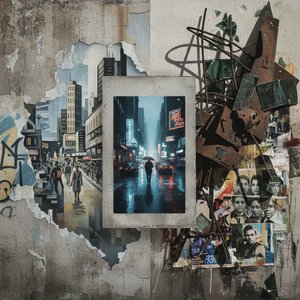
Concrete Visions: Exploring Representations of Urban Life in Modern & Contemporary Art
Explore the evolution of cityscape painting from Realism to contemporary art. Discover key artists & invest in timeless urban visions with OriginalUniqueArt's expert guidance and museum-quality reproductions.

프랜시스 베이컨의 걸작 25선: 강렬한 감정과 시대를 초월하는 예술 (Francis Bacon's 25 Masterpieces: Intense Emotion & Timeless Art)
프랜시스 베이컨의 강렬하고 파격적인 세계로. 현대 미술 거장의 대표작 25선을 만나보세요. 절망, 고독, 인간 존재에 대한 깊은 성찰을 담은 작품들을 감상하고, OriginalUniqueArt.com에서 최고 품질의 그림 복제본과 인테리어 아이디어를 찾아보세요.
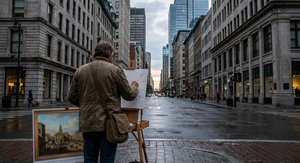
Urban Visions: A Historical & Artistic Exploration of the Cityscape in Painting
Explore the evolution of cityscape painting from historical maps to Impressionist masterpieces. Discover artists like Caillebotte & Utrillo. Find museum-quality reproductions at OriginalUniqueArt.

Concrete Visions: Exploring the Urban Landscape in Painting – From Realism to Contemporary Art
Explore the evolution of cityscape painting from Realism to contemporary art with OriginalUniqueArt. Discover key artists & invest in timeless urban visions. Expert guidance, museum-quality reproductions.
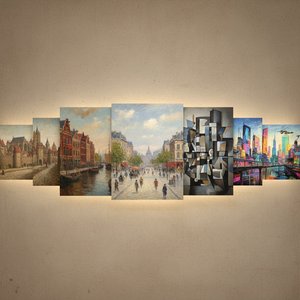
Urban Visions: A Historical & Artistic Exploration of the Cityscape in Painting
Explore the evolution of cityscape painting from historical maps to Impressionist masterpieces. Discover artists like Caillebotte, Utrillo & Matsumoto Shunsuke. Find museum-quality reproductions at OriginalUniqueArt.