

 미리보기
미리보기
 프린트 구매
 공유하기
공유하기 공유하기
공유하기
 상세 정보
상세 정보

 다운로드
다운로드
 유사 작품
유사 작품 X-레이
X-레이 슬라이드 쇼
Saint Francis Xavier


 더 보기
더 보기




































작품의 원본 비율을 유지하는 미리 설정된 크기 중에서 선택하세요.

특정 프레임이나 공간에 맞도록 직접 크기를 입력할 수 있습니다. 선택하신 크기가 원본 이미지의 비율과 일치하지 않는 경우, 작품을 자르거나 추가적인 손으로 그린 요소를 사용하여 그림을 확장합니다. 제작 시작 전 승인을 위해 디지털 목업을 보내드립니다.
화면 미리 보기는 실제 자르기 또는 확장을 반영하지 않습니다. 최종 구성은 목업을 통해서만 정확하게 확인하실 수 있습니다.
맞춤 크기 제작도 가능하지만, 원본 비율을 유지하기 위해 사전 정의된 목록에서 크기를 선택하시는 것을 권장합니다.
주문 후 OriginalUniqueArt.com 팀에서 상세 안내를 위해 고객님께 이메일을 보내드리며, 미리보기 시안을 제공해 드립니다.


 유리 옵션은 110cm 미만 크기에서만 선택 가능합니다.

Saint Francis Xavier
재현 기법
복제본 크기
-


최종 결제 금액
$ 350
작품 상세 설명
작가 약력
Jean-Baptiste Pater: A Master of Parisian Fête Galante
Jean-Baptiste Pater, a name perhaps less familiar than those of Watteau or Rigaud, nevertheless stands as a significant figure in the development of French Rococo painting. Born in Valenciennes in 1695 and tragically dying in Paris at the young age of 40, Pater’s life was cut short but his artistic legacy endures through a captivating body of work centered around the *fête galante*. His paintings offer glimpses into an idealized world of aristocratic leisure, pastoral beauty, and subtle sensuality – a hallmark of the era. Pater's journey to Parisian prominence began with a somewhat contentious apprenticeship under the renowned Jean Watteau, his childhood friend and fellow Valenciennes native. Legend has it that Watteau dismissed him from his studio due to professional jealousy, though the exact circumstances remain shrouded in speculation. Regardless, this early divergence set Pater on his own path, one marked by both imitation and innovation.Early Influences and Training
Pater’s artistic education was deeply shaped by the vibrant art scene of Paris during the 18th century. Following his departure from Watteau's studio, he sought guidance from some of the most influential masters of the time – Rigaud, Largillière, and crucially, Rosalba Carriera. Carriera’s visit to Paris in 1720-21 proved particularly transformative. She introduced pastel painting to Europe, a medium that immediately captivated artists with its delicate textures and luminous colors. Pater quickly embraced this new technique, incorporating it into his work and contributing to its growing popularity across the continent. His time in Paris also exposed him to the broader artistic trends of the day, including the influence of Italianate styles prevalent at the court. He studied diligently, absorbing the techniques and aesthetics of these masters, yet he never simply replicated their style; instead, he skillfully adapted them to his own unique vision.The Style of Pater: Fête Galante and Beyond
Pater’s signature style is undeniably rooted in the *fête galante*, a genre that flourished during the Rococo period. These paintings typically depict idyllic scenes of aristocratic leisure, often set in pastoral landscapes or at the edges of civilization. Figures are engaged in graceful activities – dancing, playing music, hunting, or simply enjoying the beauty of nature. Pater’s *fêtes galantes* are characterized by their elegant compositions, delicate color palettes, and a pervasive sense of charm and sophistication. However, unlike Watteau, who often imbued his scenes with a melancholic undertone, Pater's works possess a lighter, more playful quality. He demonstrated greater originality in portraying military life and groups of bathers, offering a degree of freedom and sensuality that was less common in the genre. His depictions of figures enjoying themselves in natural settings were particularly notable for their subtle eroticism, hinting at hidden desires beneath the surface of polite society.Key Works and Historical Significance
Among Pater’s most celebrated works are *The Shepherdess*, *The Bathers*, and several portraits commissioned by prominent figures of the French court. His painting *Bacchus and Ceres in the Clouds* (1751), executed for Huis Boschbeek, a grand country estate near Heemstede, is considered one of his masterpieces. This large-scale ceiling decoration exemplifies his mastery of trompe-l'œil, creating an illusion of depth and space that seamlessly blends with the architectural setting. Pater’s work reflects the tastes of the aristocracy, capturing their desire for beauty, pleasure, and escape from the constraints of courtly life. His influence extended beyond individual paintings; he helped establish a standard for decorative painting within Parisian interiors, earning him the title "witje" – a term now synonymous with his distinctive style of marble imitation.Legacy and Lasting Influence
Despite his tragically short career, Jean-Baptiste Pater left an indelible mark on French art. He was a key figure in popularizing pastel painting and refining the *fête galante* genre. His work served as a model for subsequent generations of artists, including Gustaf Lundberg, who greatly admired Carriera’s influence on Pater's style. Today, Pater’s paintings are treasured for their exquisite beauty, technical skill, and evocative portrayal of an idealized world. They offer a fascinating glimpse into the social and cultural values of 18th-century France, revealing a society that valued elegance, leisure, and the pursuit of pleasure. His legacy continues to be celebrated through reproductions like those offered by OriginalUniqueArt.com, ensuring that Pater’s captivating vision endures for art lovers worldwide.
miguel cabrera
1695 - 1768
주요 정보
- Artistic Movement Or Style: Fêtes galantes
- Artists Or Movements Influenced By This Artist: ['Rosalba Carriera']
- Artists Who Influenced This Artist: ['Watteau']
- Date Of Birth: 1695
- Date Of Death: 1736
- Full Name: Jean-Baptiste Pater
- Nationality: French
- Notable Artworks:
- Bacchus and Ariadne
- The Shepherdess
- Portrait of a Lady
- Place Of Birth: Valenciennes, France
관련 기사 더 보기
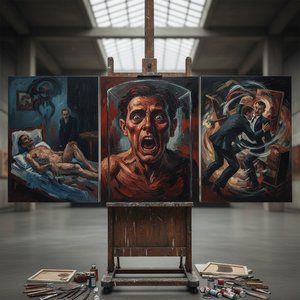
프랜시스 베이컨의 걸작 25선: 강렬한 감정과 시대를 초월하는 예술 (Francis Bacon's 25 Masterpieces: Intense Emotion & Timeless Art)
프랜시스 베이컨의 강렬하고 파격적인 세계로. 현대 미술 거장의 대표작 25선을 만나보세요. 절망, 고독, 인간 존재에 대한 깊은 성찰을 담은 작품들을 감상하고, OriginalUniqueArt.com에서 최고 품질의 그림 복제본과 인테리어 아이디어를 찾아보세요.
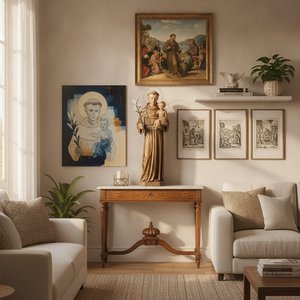
Discover the Divine: Inspiring Saint Anthony Artworks to Elevate Your Home Decor
Transform your home with the profound beauty of Saint Anthony artworks. Explore exquisite Baroque reproductions by Murillo and Zurbarán, hand-painted on 100% cotton canvas to bring divine serenity and timeless elegance to your interior design.

The Dramatic Flourish: Exploring the Baroque Movement's Enduring Legacy in Art History
Explore the dramatic world of Baroque art! Discover iconic artists like Caravaggio & Rubens, defining techniques, and its lasting impact on art history. Expert insights for collectors & enthusiasts at OriginalUniqueArt.

화려함 속에 감춰진 진실! 바로크 미술을 정의한 10대 걸작 탐구
화려함과 극적인 표현이 압권! 바로크 미술을 대표하는 10대 걸작의 숨겨진 이야기를 만나보세요. 베르니니, 루벤스 등 거장의 작품부터 바로크 색감, 예술적 기법까지 – OriginalUniqueArt.com에서 명품 복제 & 인테리어 영감을 얻으세요! 지금 바로 컬렉션을 탐험해보세요.

바로크의 드라마: 현대 인테리어에 풍요로움과 감동을 불어넣기
바로크 예술의 풍요로운 세계를 탐험하고, 현대 인테리어에 감동을 불어넣는 방법을 OriginalUniqueArt에서 만나보세요. 카라바조, 렘브란트 등 거장들의 작품과 키아로스쿠로 기법 활용 노하우를 공개합니다.

