실제 크기로 보기
 보내기
보내기 공유하기
공유하기
 상세 보기
상세 보기 가이드 보기

 이미지 다운로드
 유사 작품 더 보기
 X-레이
X-레이 슬라이드 쇼 보기
 통계 정보
통계 정보Ignudo (13)


 상세 보기
상세 보기
핸드메이드 유화 복제화
작가가 직접 캔버스에 손으로 그린 유화 작품으로, 원하는 크기와 액자로 맞춤 제작해 드립니다. ( 프린트 판매로 전환 디지털 이미지 판매 채널로 전환)




P118B ₩10

P118H ₩10

P118W ₩10

P438Z ₩10

P508JH ₩12

P508YH ₩12

P805H ₩10

P805Z ₩10

P919BZ ₩10

P919G ₩10

P919XJ ₩10

P959ZH ₩10

P968JZ ₩12

W106C ₩8

W218G ₩10

W218JH ₩8

W218Y ₩10

W307PJ ₩10

W316G ₩10

W316PJ ₩8

W316Y ₩10

W398PJ ₩8

W4111J ₩10

W500HY ₩15

W500JH ₩15

W692G ₩12

W849H ₩8

W940BG ₩15

W953PJ ₩8




작품의 원본 비율을 그대로 유지하는 프리셋 사이즈 중에서 선택해 보세요.

액자나 벽면 크기에 맞춰 필요한 가로와 세로 길이를 입력해 주세요. 본 작품은 수작업으로 제작되므로, 요청하신 비율에 따라 작가가 그림의 가장자리를 조금 더 넓게 그리거나 일부를 조정하여 작업할 수 있습니다. 작업 시작 전, 최종 확인을 위해 디지털 목업 이미지를 보내드립니다. 이 페이지에 표시된 이미지는 실제 결과물과 다를 수 있으며, 오직 목업 이미지만이 정확한 결과물을 보여줍니다.
주문 완료 후 OriginalUniqueArt.com 팀에서 상세 안내를 위해 고객님께 이메일을 보내드리며, 미리보기 시안을 함께 제공해 드립니다.


 유리 옵션은 110cm 미만 크기에서만 선택 가능합니다.

Ignudo (13)
재현 매체
복제본 규격
-


총 결제 금액
₩ 406798
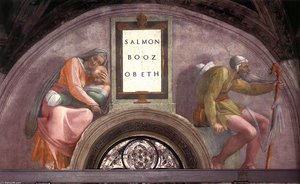
The Enigmatic Embrace: Michelangelo’s *Ignudo* – A Window into the Soul
Within the breathtaking grandeur of the Sistine Chapel, nestled amidst scenes of biblical drama and divine intervention, resides a seemingly simple fresco—a nude male figure known as *Ignudo* (Latin for “ignorant” or “unlearned”). Painted by Michelangelo Buonarroti in 1509, this small yet profoundly moving work transcends its modest scale to offer a glimpse into the artist’s genius, his understanding of human anatomy, and perhaps, a reflection on the very nature of man. More than just a decorative element within the larger narrative of the Chapel, *Ignudo* stands as an intimate meditation on vulnerability, repose, and the quiet dignity of the human form.
The fresco’s context is crucial to understanding its power. The Sistine Chapel, commissioned by Pope Sixtus IV, was intended as a visual testament to Catholic doctrine, depicting scenes from Genesis and the Old Testament. Michelangelo, already renowned for his sculptures like *David* and *Pietà*, was tasked with adorning the chapel’s ceiling – a monumental undertaking that consumed him for years. Amidst this colossal project, *Ignudo* emerges as a delicate counterpoint to the grander narratives, a moment of serene contemplation within a whirlwind of artistic activity. The figure is positioned in the lower left corner of the “Sacrifice of Noah” panel, a scene depicting the aftermath of the great flood. Its placement suggests a pause, a quiet observation amidst the chaos and renewal depicted above.
A Study in Form and Gesture
Michelangelo’s mastery of anatomy is immediately apparent in *Ignudo*. The figure's body is rendered with an astonishing level of detail—every muscle, vein, and contour meticulously observed and flawlessly translated onto the frescoed surface. Yet, this isn’t a cold, clinical depiction; rather, it’s imbued with a palpable sense of life. The relaxed posture, with arms raised to shield the face, conveys a feeling of vulnerability and introspection. The slight twist of the torso, executed through masterful *contrapposto* (a technique where weight is shifted to one leg), creates a dynamic balance within the figure's stillness. Notice how the subtle curve of his spine echoes the gentle arc of his arms—a visual harmony that speaks volumes about Michelangelo’s understanding of proportion and movement.
The artist’s use of *sfumato* – a technique employing hazy, blurred outlines to soften transitions between light and shadow – further enhances the figure's ethereal quality. The background is subtly rendered with two small birds—one near the top left corner and another towards the bottom right—and a vase on the far left, adding depth and visual interest without distracting from the central subject. These elements contribute to the overall impression of tranquility and seclusion.
Symbolism and Interpretation
The identity of the figure remains deliberately ambiguous, contributing to *Ignudo’s* enduring appeal. Some scholars suggest he represents a young Adam, shielding himself from the knowledge of sin—a poignant premonition of humanity's fall. Others interpret him as a symbol of innocence or vulnerability, a reminder of our shared human condition. The act of covering his face could be seen as a gesture of protection, a desire to escape the harsh realities of the world. Regardless of its precise meaning, *Ignudo* invites viewers to contemplate themes of mortality, faith, and the search for inner peace.
Michelangelo’s decision to include this seemingly simple figure within such a monumental work is itself significant. It demonstrates his ability to create moments of profound emotional resonance even amidst grander narratives. *Ignudo* serves as a reminder that art can be both visually stunning and deeply contemplative, offering a space for individual reflection and connection with the timeless themes explored throughout human history.
Bringing *Ignudo* Home: A OriginalUniqueArt Reproduction
OriginalUniqueArt is proud to offer meticulously crafted oil painting reproductions of Michelangelo’s *Ignudo*. Our skilled artisans painstakingly recreate every detail of the original fresco, using only the finest pigments and archival-quality materials. Whether you're an art enthusiast, a collector seeking a piece of Renaissance history, or simply drawn to the beauty and serenity of this iconic image, our reproduction provides a stunning way to experience Michelangelo’s genius in your own home. Explore our collection today and discover the perfect *Ignudo* reproduction to complement your space and inspire contemplation.
Discovering the Art of the Sistine Chapel | Sistine Chapel ceiling | Michelangelo
질의응답
"Ignudo (13)"은(는) 미켈란젤로의 작품 세계에서 어떤 위치를 차지하고 있나요?
"Ignudo (13)"은(는) 미켈란젤로의 High Renaissance 시기 작품으로, 이 작가의 주요 주제로는 classical antiquity, humanism, renaissance ideals, sistine chapel ceiling, high renaissance mastery, exploration of the human form, catholic doctrine, papal authority 등이 있습니다.
미켈란젤로의 "Ignudo (13)"의 색채는 작품의 감정과 어떻게 연결되나요?
미켈란젤로의 "Ignudo (13)"은(는) Earthy 색조의 팔레트와 Reflective 분위기가 조화를 이룹니다.
미켈란젤로의 "Ignudo (13)"의 수작업 복제화를 어디에서 구매할 수 있나요?
미켈란젤로의 "Ignudo (13)"의 수작업 복제화는 주문 제작 방식으로 수작업 유화 복제화 페이지에서 직접 주문하실 수 있습니다: 리넨 캔버스 위에 손으로 직접 그린 유화 복제화
작가 소개
르네상스를 빛낸 천재, 미켈란젤로 부오나로티
미켈란젤로 부오나로티(Michelangelo Buonarroti), 이 이름은 르네상스 시대의 예술적 영감과 인간 잠재력의 정점을 상징한다. 1475년 3월 6일, 토스카나 언덕 속에 자리 잡은 카프레세 미켈란젤로에서 태어난 그는, 예술, 야망, 신성한 영감이 기묘하게 어우러진 삶을 살았다. 아버지의 반대에도 불구하고 어린 시절부터 드러낸 뛰어난 그림 실력은 그를 조각, 회화, 건축의 경계를 재정립하는 길로 이끌었다. 도메니코 기릴란다요(Domenico Ghirlandaio) 밑에서 기초적인 프레스코와 드로잉 기술을 익혔지만, 메디치 가문의 정원—고대 그리스와 로마 조각상이 안식처를 이루는 곳—에서 그의 예술적 영혼은 진정으로 깨어났다. 그는 인체의 해부학, 비례, 이상화된 아름다움의 원리를 흡수하며 고대 조각상들을 탐구했고, 이는 그의 작품에 나타나는 특징이 되었다. 이 시기는 단순한 기술 훈련이 아니라, 르네상스 시대에 꽃피운 인문주의적 이상—인간 존엄성과 잠재력에 대한 강조—에 대한 철학적 몰입이었으며, 그의 예술적 비전을 깊이 있게 형성했다.돌의 슬픔과 다윗의 강인함: 초기 걸작들
미켈란젤로의 예술계에서의 부상은 놀라울 정도로 빨랐다. 1496년, 그는 로마로 향하여 첫 번째 주요 의뢰를 받았다. 바로 *피에타(Pietà)* 조각이었다. 1499년 카르디널 장 드 빌리에르(Cardinal Jean de Bilhères)를 위해 완성된 이 숨막힐 듯 아름다운 대리석 작품은 즉시 미켈란젤로를 비교할 데 없는 기술과 감정의 깊이를 지닌 조각가로 자리매김하게 했다. 성모 마리아가 그리스도의 시신을 안고 있는 모습에 담긴 고요한 아름다움과 애수는 혁명적이었으며, 차가운 돌에 인간적인 감정을 불어넣는 그의 능력을 보여주었다. 이 초기 성공은 그의 다음 기념비적인 작업인 *다윗(David)*으로 이어졌다. 1501년부터 1504년 사이에 카라라 대리석 한 블록에서 조각된 이 거대한 조각상은 피렌체 공화국의 이상을 상징하는 존재가 되었다—용기와 시민적 미덕의 정의로운 구현이었다. *다윗*의 해부학적 정확성, 역동적인 자세, 심리적 강렬함은 전례 없는 것이었으며, 돌을 생명으로 불어넣는 능력을 지닌 거장으로서 그의 명성을 확고히 했다. 단순히 규모가 인상적이었던 것이 아니라, 대리석 속에 얼어붙은 억눌린 에너지와 행동에 대한 기대감이 보는 이들을 사로잡았다.시스티나 예배당: 신성한 캔버스
미켈란젤로의 가장 오래 지속되는 유산 중 하나는 시스티나 예배당 벽 안에 자리 잡고 있다. 1508년, 교황 줄리우스 2세는 그에게 예배당 천장을 칠하도록 의뢰했는데, 이는 그의 삶을 사 년 동안 지배하고 서구 미술의 흐름을 영원히 바꾼 작업이었다. 그는 처음에는 주저하며 자신을 주로 조각가로 여기고 있었지만, 그럼에도 불구하고 도전을 받아들여 기념비적인 프레스코화 연작에 착수했다. 힘든 환경 속에서 종종 몇 시간 동안 등을 대고 누워 일하면서 그는 창세기 이야기를 묘사한 300개가 넘는 인물을 놀라운 세부 사항과 구성적 천재성으로 그렸다. 예배당 천장 그림에서 가장 상징적인 이미지 중 하나인 *아담의 창조(The Creation of Adam)*는 신과 인간 사이를 흐르는 신성한 불꽃을 담고 있으며, 창조와 잠재력에 대한 강력한 상징이다. 이 유명한 패널 외에도 전체 연작은 미켈란젤로의 서사적 능력, 해부학적 지식, 시각적인 스토리텔링을 통해 복잡한 신학적 개념을 전달하는 능력에 대한 증거이다. 동시에 그는 교황 줄리우스 2세의 무덤 작업을 시작했는데, 원래 계획했던 규모만큼은 완성되지 못했지만 *모세(Moses)*와 같은 강력한 조각상을 탄생시켰다.건축과 매너리즘: 지속적인 영향력
그의 생애 후반에 미켈란젤로는 건축 분야에서도 재능을 발휘했다. 1520년, 그는 로마의 성 베드로 대성당의 건축가가 되어 브라만테(Bramante)의 원래 설계를 더욱 웅장하고 구조적으로 견고한 계획으로 크게 변경했다. 이러한 전환은 길쭉한 형태, 과장된 자세, 극적인 구성을 특징으로 하는 스타일인 매너리즘(Mannerism)으로의 변화를 나타낸다. 이 스타일적 진화는 1536년부터 1541년 사이에 시스티나 예배당 제단 벽에 그려진 *최후의 심판(The Last Judgment)*에서 생생하게 드러난다. 이 프레스코화는 그리스도의 재림을 엄청난 드라마와 감정적 강렬함으로 묘사하며, 더욱 불안정한 영적 기후를 반영한다. 미켈란젤로의 영향력은 그의 생애를 넘어 광범위하게 퍼져 고대 르네상스와 매너리즘 예술 운동 모두에 영향을 미쳤으며, 그의 해부학적 정확성, 역동적인 구성, 인간 조건에 대한 깊이 있는 탐구를 통해 수많은 세대의 예술가들에게 영감을 불어넣었다.시간 속에 새겨진 유산
미켈란젤로는 1564년 2월 18일 로마에서 사망하여 서구 미술사에서 비교할 데 없는 작품을 남겼으며, 오늘날에도 계속해서 사람들을 사로잡고 영감을 주고 있다. 그는 예술계의 거인이자 진정한 “르네상스 맨”으로 기억되며, 그의 조각, 회화, 건축물은 아름다움, 힘, 인간 잠재력에 대한 우리의 이해를 형성해 왔다. 그의 유산은 단순한 예술적 성취가 아니라 창의성, 헌신, 완벽 추구라는 끊임없는 노력의 지속적인 증거이다. 그는 예술이 단순한 표현을 넘어선다는 것을 보여주었고, 깊은 영적이고 감정적인 표현의 매개체가 될 수 있음을 입증했다. 그의 천재성은 전 세계 박물관과 교회에서 울려 퍼지며 미켈란젤로 부오나로티가 지금까지 살았던 가장 위대한 예술가 중 한 명으로 영원히 기억될 것임을 보장한다.- 영향: 고대(그리스 & 로마 조각), 르네상스 인문주의, 피렌체 미술 전통 (도나텔로, 마사초).
- 주요 작품: *피에타*, *다윗*, 시스티나 예배당 천장 프레스코화 (*아담의 창조*), *최후의 심판*, 줄리우스 2세 무덤.
- 예술적 스타일: 초기 고전 이상주의, 역동적이고 표현적인 매너리즘으로의 진화.

미켈란젤로
1475 - 1564 , 이탈리아
작가 정보 요약
- 국적: 이탈리아인
- 대표 작품:
- 피에타
- 다비드
- 시스티나 성당 천장화
- 사망일: 1564년 2월 18일
- 영향을 받은 예술 사조:
- 고전주의
- 매너리즘
- 영향을 준 예술가:
- 도나텔로
- 마사초
- 예술 사조: 고전주의, 매너리즘
- 전체 이름: 미켈란젤로 부오나로티
- 출생일: 1475년 3월 6일
- 출생지: 카프레세 미켈란젤로, 이탈리아
관련 기사
가족 유산의 벽화: 대를 잇는 예술적 전통과 기억의 보존
가족 유산의 벽화에 담긴 예술적 전통과 기억 보존의 의미를 탐구합니다. 프레스코 기법의 역사, 제작 과정, 복원 노력을 심층 분석하고 현대적인 응용 가능성을 제시합니다. 전문가의 시각으로 고품격 미술 정보를 제공합니다.

Mastering the Heavens: A Definitive Guide to the Sistine Chapel's Renaissance Masterpieces
Embark on a sophisticated journey through the Sistine Chapel. Discover the profound artistry of Michelangelo’s frescoes, from the iconic ceiling to the altar wall, through an expert exploration of Renaissance mastery and theological depth.

The Enduring Legacy of Fresco: Technique, History & Artistic Expression Across Cultures
Explore the rich history & enduring legacy of fresco painting! Discover ancient techniques, Giotto's masterpieces, and modern applications. Expert insights for art lovers & professionals.
미켈란젤로의 걸작 25선: 예술과 영혼을 담은 명화 컬렉션 | OriginalUniqueArt
미켈란젤로의 불멸의 걸작 25선을 만나보세요. 르네상스 미술의 정수를 담은 '다비드', '천지창조' 등 명화들의 숨겨진 이야기와 예술적 의미를 OriginalUniqueArt에서 감상하고, 특별한 인테리어으로 공간에 영감을 불어넣으세요. 지금 바로 컬렉션을 탐험하세요!
The Enduring Legacy of Fresco Painting: Techniques, History & Contemporary Relevance
Explore the rich history & enduring artistry of fresco painting – from Giotto to Michelangelo! Discover techniques, conservation efforts, & modern applications. Learn how OriginalUniqueArt brings this timeless art form to your home.