 프린트 판매로 전환
 상세 보기
상세 보기







































 가로 또는 세로 중 어느 한 면이라도 105cm(약 41인치)를 초과하는 작품이나 복제화의 경우, 프레임은 분해된 키트 형태로 배송됩니다. 이는 안전한 배송을 보장하고 운송 중 발생할 수 있는 손상을 방지하기 위함입니다.


Michael John Landy’s “Drawing”: A Minimalist Critique of Value
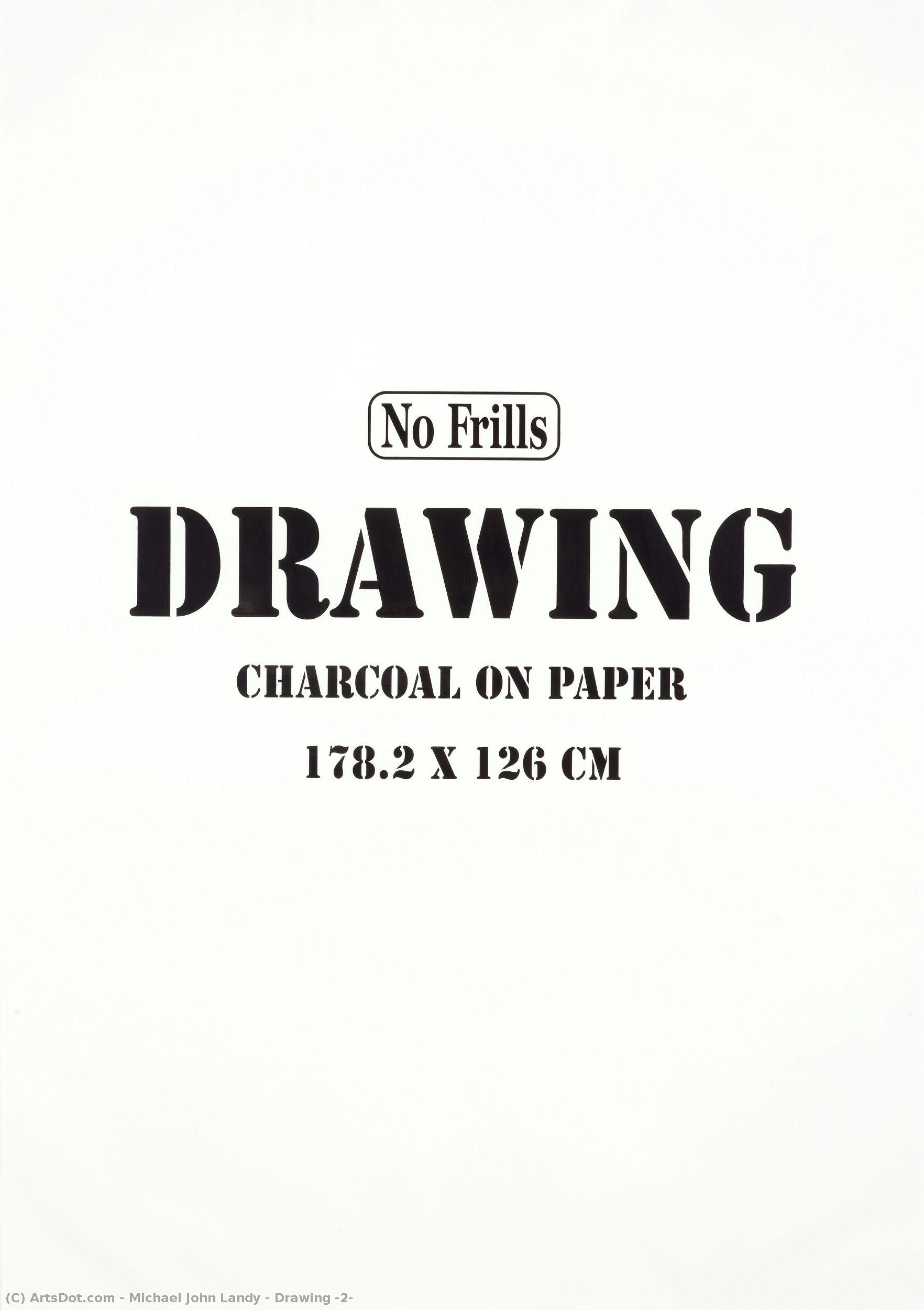
The artwork "Drawing" by Michael John Landy stands as a striking testament to the Conceptual Art movement's preoccupation with challenging established artistic paradigms and interrogating societal assumptions. Executed in 2007, this charcoal drawing on paper embodies a deliberate austerity—a stark simplicity that speaks volumes about Landy’s broader artistic concerns regarding consumerism and the devaluation of labor within contemporary culture. Its unassuming appearance belies a profound intellectual engagement with ideas surrounding representation and authenticity.Conceptual Foundations & Influences
Landy's artistic trajectory is firmly anchored in Dadaist principles and Conceptual Art, specifically influenced by Marcel Duchamp’s groundbreaking readymades – objects chosen for their existing status and presented as artworks without further embellishment. Like Duchamp, Landy seeks to disrupt conventional notions of artistic creation, questioning the role of skill and craftmanship in defining art's significance. This lineage informs his meticulous approach to dismantling familiar visual conventions, revealing hidden layers of meaning beneath a veneer of apparent emptiness. The deliberate reduction of form—the single word “DRAWING” dominating the canvas—mirrors Duchamp’s rejection of traditional artistic techniques as instruments of expression.Technique & Material Considerations
The execution of "Drawing" exemplifies Landy's commitment to directness and materiality. Charcoal, a humble medium historically associated with sketching and preparatory drawings, is applied to paper with painstaking precision. The artist eschews elaborate ornamentation or stylistic flourishes, prioritizing the inherent qualities of the material itself—its texture, tonal range, and ability to convey subtle nuances of form. This deliberate restraint underscores Landy’s belief that artistic impact can arise from confronting viewers with fundamental questions about perception and value. The monumental dimensions – 190 x 127 cm – amplify this sense of scale and emphasize the artwork's uncompromising focus on its core concept.Symbolism & Critique of Consumption
Beyond its formal qualities, “Drawing” operates as a potent symbol of resistance against consumer culture’s pervasive influence. The phrase "No Frills," positioned above the title, encapsulates Landy’s critique—a rejection of superfluous decoration and branding that obscures underlying realities. It's an invitation to reconsider what constitutes genuine artistic merit, arguing that true value resides not in surface appearances but in conceptual depth. By stripping away extraneous elements, Landy compels us to confront the anxieties surrounding economic disparity and the erosion of traditional skills in a world increasingly dominated by mass production and marketing strategies.Emotional Resonance & Artistic Legacy
Ultimately, “Drawing” transcends mere visual representation; it evokes an emotional response rooted in contemplation and questioning. Its austere aesthetic encourages viewers to engage in a dialogue with its core message—a reminder that art can serve as a catalyst for critical reflection on societal values. Landy’s work continues to resonate within the broader context of Conceptual Art, establishing him as a pivotal voice in challenging artistic conventions and prompting audiences to reconsider their understanding of beauty and significance. It stands as an enduring emblem of minimalist artistry's capacity to provoke profound intellectual and emotional engagement.질의응답
"Drawing (2)"은(는) 몇 년도에, 어떤 사조의 작품인가요?
"Drawing (2)"은(는) 2007년에 Conceptual Art 사조의 흐름 속에서 제작되었습니다.
Michael John Landy의 "Drawing (2)"은(는) 퍼블릭 도메인인가요?
저작권과 관련하여, "Drawing (2)"은(는) 여전히 저작권의 보호를 받고 있습니다 상태입니다.
Michael John Landy의 "Drawing (2)"의 색채 구성은 어떻게 이루어져 있나요?
Michael John Landy의 "Drawing (2)"의 색채 구성은 Gentle한 대비와 Strong Color Unity한 조화를 동시에 보여줍니다.
More about this painting
 실제 크기로 보기
 보내기
보내기 공유하기
공유하기
 상세 보기
상세 보기 가이드 보기

 이미지 다운로드
 유사 작품 더 보기
 X-레이
X-레이 슬라이드 쇼 보기
 Q&A
Q&A 통계 정보
통계 정보


