

 보내기
보내기 공유하기
공유하기
 상세 보기
상세 보기 가이드 보기

 이미지 다운로드
 유사 작품 더 보기
 슬라이드 쇼 보기
 통계 정보
통계 정보Architecture in Japan
 Digital
- Digital
- Postmodernism
 1984
1984- Contemporary
 55.0 x 55.0 cm
 Vignelli Center for Design Studies
 상세 보기
상세 보기
이 페이지에 표시된 작품은 저작권법의 보호를 받으며, 이에 따라 동일한 복제품을 제작하거나 판매하는 것은 법으로 금지되어 있습니다. 이러한 권리 보호는 다음과 같은 국제 협약에 따라 시행됩니다. 베른 협약 또한 다음에서 명시하는 법률을 포함한 국내법에 의해 보호됩니다. 미국 저작권법 제17조.
저희는 존중을 담은 합법적인 대안으로서, 원작에서 영감을 받은 맞춤형 수제 유화 작품을 제공합니다. 저희의 숙련된 전문 화가들은 원작의 스타일, 분위기, 예술적 정수를 면밀히 연구하여, 그 자체로 독창적인 창작물이면서도 원작과 동일한 감동을 불러일으키는 새로운 작품을 만들어냅니다.
이 방식은 저작권 보호를 받는 예술 작품을 복제하거나 그대로 재현하는 것이 아니기에 저작권 규정을 완벽히 준수합니다. 대신, 이는 창의적인 재해석의 과정을 거칩니다. 즉, 원작에서 영감을 받되 원작과 동일하지 않은 새로운 회화 작품을 의미합니다.
핸드메이드 유화 복제화
작가가 직접 캔버스에 손으로 그린 유화 작품으로, 원하는 크기와 액자로 맞춤 제작해 드립니다. ( 프린트 판매로 전환 디지털 이미지 판매 채널로 전환)




































작품의 원본 비율을 그대로 유지하는 프리셋 사이즈 중에서 선택해 보세요.

액자나 벽면 크기에 맞춰 필요한 가로와 세로 길이를 입력해 주세요. 본 작품은 수작업으로 제작되므로, 요청하신 비율에 따라 작가가 그림의 가장자리를 조금 더 넓게 그리거나 일부를 조정하여 작업할 수 있습니다. 작업 시작 전, 최종 확인을 위해 디지털 목업 이미지를 보내드립니다. 이 페이지에 표시된 이미지는 실제 결과물과 다를 수 있으며, 오직 목업 이미지만이 정확한 결과물을 보여줍니다.
주문 완료 후 OriginalUniqueArt.com 팀에서 상세 안내를 위해 고객님께 이메일을 보내드리며, 미리보기 시안을 함께 제공해 드립니다.


 유리 옵션은 110cm 미만 크기에서만 선택 가능합니다.

Architecture in Japan
재현 매체
복제본 규격
-


총 결제 금액
₩ 406326
A Visionary Intersection of Typography and Structure
In the realm of graphic design, few works capture the profound dialogue between cultural heritage and modern abstraction as elegantly as Michael Bierut’s Architecture in Japan. Created in 1984, this striking piece serves as more than just a promotional poster for an architectural program; it is a masterclass in visual communication that bridges the gap between the structural rigidity of the built environment and the fluid grace of typographic expression. The artwork presents a captivating interplay of light and shadow, utilizing a bold, high-contrast palette that commands immediate attention. Through his meticulous arrangement of red lettering against a deep, dark background, Bierut invites the viewer into a space where language and form become indistinguishable, echoing the very essence of architectural design—where structure meets meaning.
The composition is a testament to the influence of the Swiss Style, a movement that prioritizes clarity, geometric precision, and the functional beauty of sans-serif typography. As a prominent figure at Pentagram, Bierut utilizes these principles to create a sense of rhythmic movement across the canvas. The red lettering does not merely sit upon the surface; it dances through the composition, acting as both information and ornament. This technique mirrors the way architectural elements—beams, pillars, and eaves—interact with space in Japanese design. There is a profound sense of balance achieved here, where the weight of the typography provides a structural anchor, much like the foundation of a temple, while the negative space allows the viewer's eye to wander through an imagined landscape of modern and traditional forms.
To possess a reproduction of this work is to bring a piece of design history into one's personal sanctuary. For the discerning collector or interior designer, Architecture in Japan offers a sophisticated focal point that complements both minimalist and contemporary interiors. The stark contrast and vibrant crimson accents provide a rhythmic energy that can breathe life into a neutral-toned room, while its intellectual depth provides a conversation starter for any guest. It is an evocative piece that evokes the spirit of the avant-garde, reminding us of a time when design was at the forefront of architectural discourse. Whether displayed in a professional studio or a private gallery, this artwork stands as a timeless tribute to the enduring beauty of structural harmony and the power of the graphic line.
질의응답
원작 "Architecture in Japan"의 크기는 어떻게 되나요?
원작 Michael Bierut의 "Architecture in Japan"의 크기는 55 x 55 cm입니다.
학생들을 위한 Michael Bierut의 "Architecture in Japan" 관련 팩트시트가 있나요?
Michael Bierut의 "Architecture in Japan"의 가이드 페이지에서는 인쇄 가능한 두 장 분량의 학습용 팩트시트를 제공합니다. 여기에는 작품과 작품 정보표, 작가의 생애 속 시기를 보여주는 연대기, 해당 작가의 다른 작품들, 측정된 컬러 팔레트, 그리고 네 가지 스타일로 바로 복사하여 사용할 수 있는 인용 문구가 포함되어 있습니다.
Michael Bierut의 "Architecture in Japan"의 제작 연도와 화풍은 무엇인가요?
Michael Bierut의 "Architecture in Japan"은(는) 1984년에 제작되었으며 Postmodernism에 속합니다.
작가 소개
Michael Bierut: Clarity and Helvetica – Shaping Visual Culture
Michael Bierut (b. 1957) stands as a towering figure in contemporary graphic design, recognized globally for his unwavering commitment to clarity, masterful use of typography—particularly Helvetica—and astute contributions to the field’s critical discourse. Born in the United States, Bierut's artistic journey began with an early fascination for visual communication and evolved into a distinguished career at Pentagram, one of America’s leading design firms since 1990. This partnership has yielded an astonishing portfolio encompassing branding identities, editorial layouts, packaging designs, and monumental public artworks, cementing his reputation as a visionary innovator. His formative years were marked by exposure to influential designers like Josef Müller-Brockmann and Armin Hofmann, whose principles of Swiss Style—characterized by geometric precision, sans-serif fonts, and restrained color palettes—deeply resonated with Bierut’s aesthetic sensibilities. These influences instilled in him a belief that design should serve as a conduit for conveying information effectively while simultaneously elevating its visual impact. This philosophy is evident throughout his work, where simplicity reigns supreme alongside meticulous attention to detail. Bierut's breakthrough came with the iconic 2016 logo for Hillary Clinton’s presidential campaign—a project lauded for its understated elegance and strategic use of Helvetica. The design prioritized readability and conveyed a sense of calm confidence amidst the turbulent political landscape, demonstrating Bierut’s ability to harness typography as a tool for shaping perception. Beyond client commissions, Bierut has actively championed design education and criticism, lecturing extensively at Yale School of Art since 1989 and fostering a generation of designers who embrace intellectual rigor alongside creative experimentation. Throughout his career, Bierut has garnered numerous awards recognizing his exceptional talent and dedication to the craft—a testament to his enduring influence on the field. He’s been honored by organizations like AIGA (American Institute of Graphic Arts) for his contributions to design excellence and continues to inspire artists worldwide with his unwavering belief in the power of thoughtful visual communication. His work transcends mere aesthetics; it embodies a profound understanding of how design can shape culture and communicate complex ideas with grace and precision.- Notable Achievements: Pentagram Partner (1990-Present), Logo Design for Hillary Clinton Campaign (2016)
- Education: Yale School of Art Lecturer (Since 1989)
- Affiliations: Alliance Graphique Internationale, American Institute of Graphic Arts

Michael Bierut
1957 - , United States of America
작가 정보 요약
- Artistic Movement Or Style: Swiss Style
- Artists Or Movements Influenced By This Artist: ['Graphic Design']
- Artists Who Influenced This Artist: ['Helvetica']
- Date Of Birth: 1957
- Full Name: Michael Bierut
- Nationality: American
- Notable Artworks:
- IDCNY welcomes the 1988 AIA Convention
- Architecture in Japan
- Place Of Birth: United States of America
관련 기사
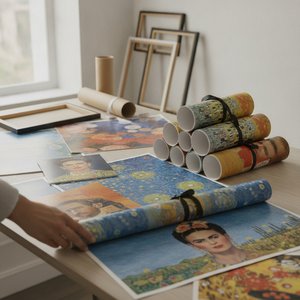
OriginalUniqueArt.com F.A.Q.: Premium Art Poster Prints – Vivid Colors & Versatile Sizing
Discover OriginalUniqueArt.com's premium art poster prints. Featuring 12-color archival pigments for vivid color fidelity and versatile sizing for bespoke decor. Expertly crafted museum-quality reproductions designed for discerning collectors and professional decorators.