
 미리보기
미리보기
 공유하기
공유하기 공유하기
공유하기
 상세 정보
상세 정보

 다운로드
다운로드
 유사 작품
유사 작품 X-레이
X-레이 슬라이드 쇼
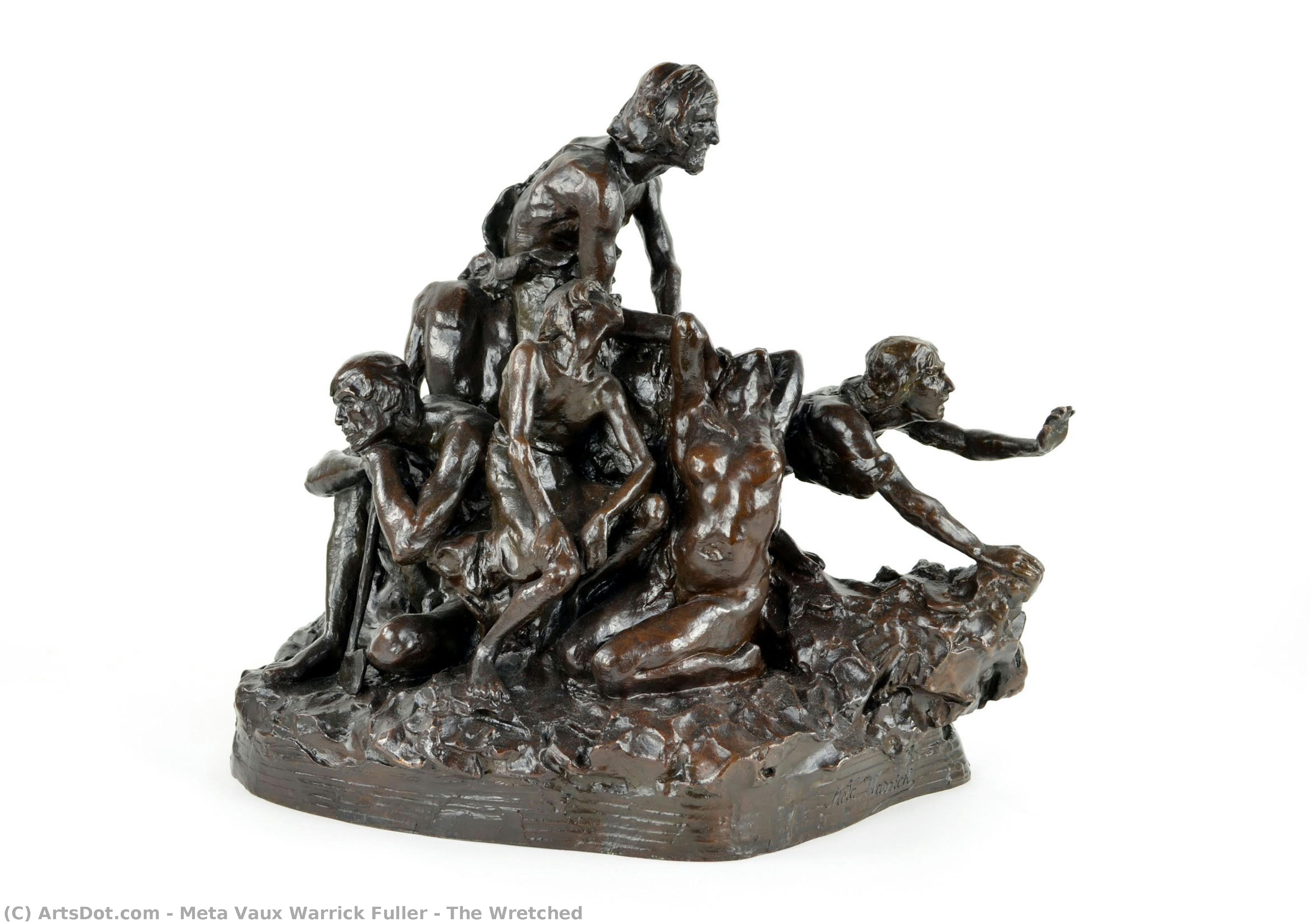
The Wretched

 더 보기
더 보기
지클레 / 아트 프린트
빠른 제작과 다양한 마감 옵션을 제공하는 박물관 품질의 지클레이 또는 캔버스 프린트. ( 손으로 그린 그림 구매 이미지 구매)




































작품의 원본 비율을 유지하는 미리 설정된 크기 중에서 선택하세요.

특정 프레임이나 공간에 맞춰 직접 치수를 입력하실 수 있습니다. 선택하신 사이즈가 원본 이미지의 비율과 일치하지 않을 경우, 작품을 크롭(자르기)하거나 이미지를 대칭 또는 단색 채우기로 확장하여 제작합니다. 제작 시작 전, 최종 확인을 위해 디지털 목업이 전송됩니다.
화면상의 미리보기는 실제 크롭이나 확장 상태를 반영하지 않으므로, 최종 구도는 오직 목업을 통해서만 정확하게 확인하실 수 있습니다.
맞춤 사이즈 제작도 가능하지만, 원본 비율을 유지하기 위해서는 사전 정의된 목록에서 치수를 선택하시는 것을 권장합니다.


 유리 옵션은 110cm 미만 크기에서만 선택 가능합니다.

The Wretched
지클레 / 아트 프린트
복제본 크기
-


최종 결제 금액
$ 80
작품 상세 설명
작가 약력
Meta Vaux Warrick Fuller: A Voice Carved in Shadow and Strength
Meta Vaux Warrick Fuller (1877-1968) stands as a monumental, yet often overlooked, figure in the landscape of American art. Born in Philadelphia during a period of intense racial segregation, her life was a testament to resilience, artistic vision, and a profound commitment to portraying the realities of the Black experience – particularly through the haunting lens of horror and social injustice. More than just a sculptor, Fuller was a poet, theater designer, and a fiercely independent artist who navigated a world that consistently sought to diminish her voice and deny her rightful place within the art world.
Her early life was profoundly shaped by her parents’ success as entrepreneurs in Philadelphia's vibrant African-American community. Her father, a barber and caterer, and her mother, a skilled wig maker and beautician catering to wealthy white clientele, provided a unique position of privilege within a society marked by systemic inequality. This access to cultural experiences and artistic training – nurtured from childhood through visits to the Pennsylvania Academy of the Fine Arts with her father – laid the foundation for her extraordinary talent. The stories she heard as a child, particularly tales of ghosts and spectral figures, would later become a crucial element in her distinctive sculptural style.
A Sculptor Forged in Darkness
Fuller’s artistic journey began with an unexpected opportunity – a scholarship to the Pennsylvania Museum and School of Industrial Art at the age of 17. Unlike many artists of her time, she deliberately chose to explore themes considered taboo or unsettling: death, mourning, and racial violence. Influenced by the Symbolist movement in Europe and particularly fascinated by the macabre imagery prevalent in fin-de-siècle literature and art, she developed a unique horror-based figural style that served as a powerful vehicle for confronting difficult truths. Her sculptures weren’t simply aesthetically striking; they were deeply imbued with emotional weight and social commentary.
A pivotal moment in her career came when she began studying under Auguste Rodin in Paris, securing a coveted protégé position. This connection provided invaluable exposure to the techniques of one of the most celebrated sculptors of his time, but it also underscored the pervasive racism she faced as a Black woman navigating the European art scene. Despite these challenges, Fuller’s talent shone through, and she quickly established herself as a significant sculptor in her own right.
Portraying Trauma: Mary Turner and Beyond
Fuller's most enduring work, arguably, is her 1920 sculpture of “Mary Turner,” depicting the lynching victim of the Colfax Massacre. This piece, rendered with unflinching realism and imbued with a palpable sense of grief and horror, became a searing indictment of racial violence in America. The sculpture wasn’t merely a representation of an event; it was a visceral embodiment of the trauma inflicted upon Black communities.
Beyond “Mary Turner,” Fuller created a body of work that explored other instances of racial injustice, including depictions of the lynching of Emmett Till and the horrors of slavery. She deliberately chose to confront these painful subjects, recognizing her art as a platform for bearing witness and demanding accountability. Her sculptures served as a powerful form of social activism, challenging viewers to grapple with the uncomfortable realities of American history.
Legacy and Recognition
Despite facing significant obstacles throughout her career – including racial discrimination and limited access to galleries and exhibitions – Meta Vaux Warrick Fuller’s legacy has steadily grown in recent decades. Her work is now recognized as a cornerstone of African-American art history, particularly within the context of the Harlem Renaissance. Her sculptures are held in prominent collections, and her story continues to inspire artists and activists alike.
In 2008, the Danforth Museum of Art in Framingham, Massachusetts, hosted “An Independent Woman: The Life and Art of Meta Warrick Fuller,” a retrospective exhibition that brought renewed attention to her remarkable achievements. More recently, in 2022, her work was featured in "The Witch’s Cradle," an exhibition at the Central Pavillon in Venice, Italy, solidifying her place as a truly international artist. Meta Vaux Warrick Fuller's art remains a potent reminder of the power of artistic expression to confront injustice and bear witness to the enduring struggles of African Americans.

meta vaux warrick fuller
1877 - 1968 , United States of America
주요 정보
- Artistic Movement Or Style: Afrocentric, Horror fig.
- Artists Or Movements Influenced By This Artist: ['Harlem Renaissance']
- Artists Who Influenced This Artist: ['Auguste Rodin']
- Date Of Birth: June 9, 1877
- Date Of Death: March 13, 1968
- Full Name: Meta Vaux Warrick Fuller
- Nationality: African-American
- Notable Artworks:
- The Awakening of Ethiopia
- Mary Turner
- Place Of Birth: Philadelphia, USA

