
 미리보기
미리보기
 공유하기
공유하기 공유하기
공유하기
 상세 정보
상세 정보

 다운로드
다운로드
 유사 작품
유사 작품 X-레이
X-레이 슬라이드 쇼
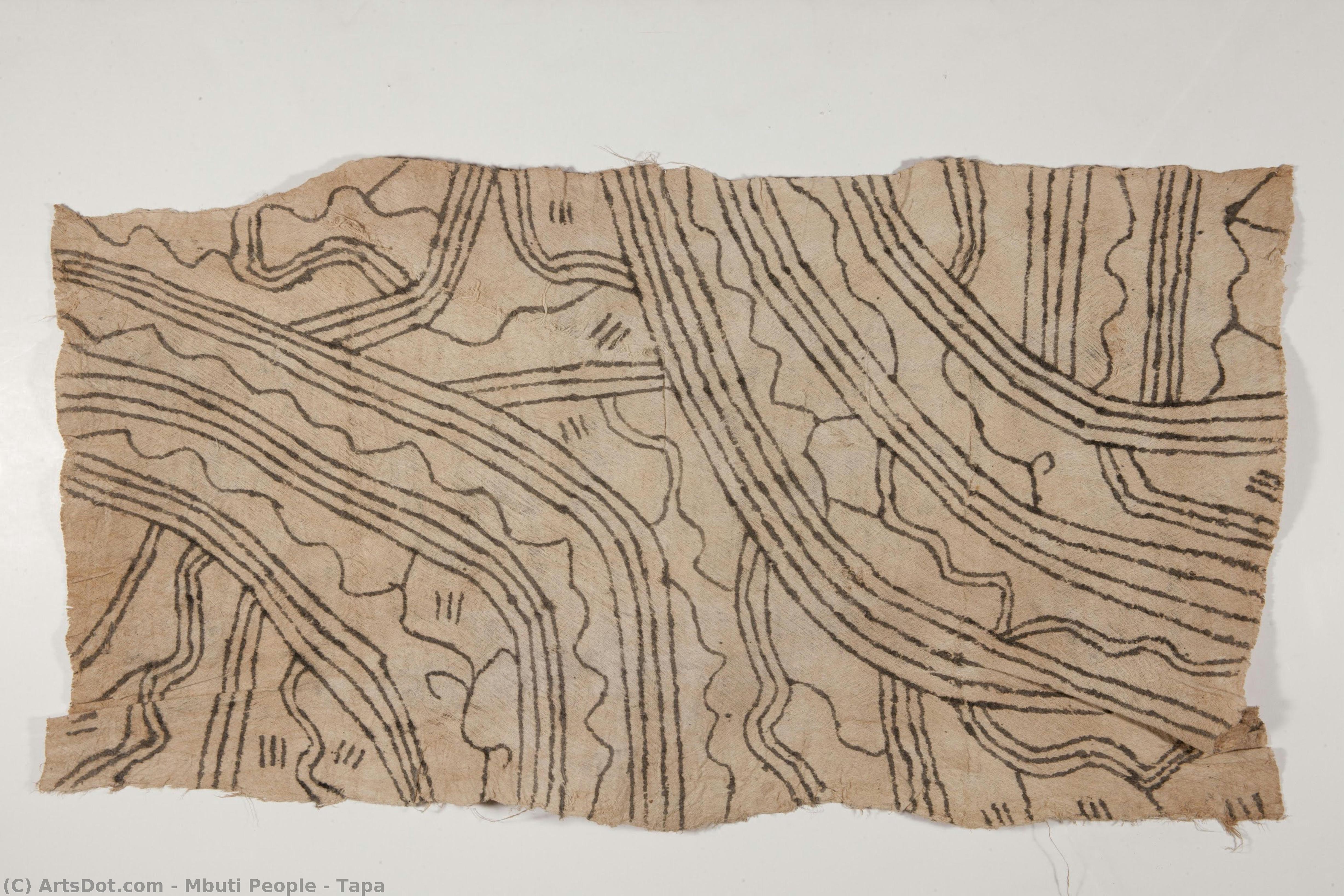
Tapa

 더 보기
더 보기
지클레 / 아트 프린트
빠른 제작과 다양한 마감 옵션을 제공하는 박물관 품질의 지클레이 또는 캔버스 프린트. ( 손으로 그린 그림 구매 이미지 구매)




































작품의 원본 비율을 유지하는 미리 설정된 크기 중에서 선택하세요.

특정 프레임이나 공간에 맞춰 직접 치수를 입력하실 수 있습니다. 선택하신 사이즈가 원본 이미지의 비율과 일치하지 않을 경우, 작품을 크롭(자르기)하거나 이미지를 대칭 또는 단색 채우기로 확장하여 제작합니다. 제작 시작 전, 최종 확인을 위해 디지털 목업이 전송됩니다.
화면상의 미리보기는 실제 크롭이나 확장 상태를 반영하지 않으므로, 최종 구도는 오직 목업을 통해서만 정확하게 확인하실 수 있습니다.
맞춤 사이즈 제작도 가능하지만, 원본 비율을 유지하기 위해서는 사전 정의된 목록에서 치수를 선택하시는 것을 권장합니다.


 유리 옵션은 110cm 미만 크기에서만 선택 가능합니다.

Tapa
지클레 / 아트 프린트
복제본 크기
-


최종 결제 금액
$ 80
작가 약력
The Soul of Egalitarian Tradition: Exploring Mbuti Art and Culture
The mbuti people, also known as bambuti, represent a remarkable corner of African cultural heritage – a vibrant tapestry woven from hunter-gatherer traditions that persist to this day. Originating in the Democratic Republic of Congo, their artistic expression is particularly noteworthy for its profound connection to social organization and egalitarian values, offering a unique lens through which to understand precolonial Africa.- Origins & Lifestyle: The mbuti inhabit dense rainforests of Central Africa, practicing a nomadic lifestyle centered around hunting wild animals like antelopes and bush pigs alongside gathering edible plants and insects. This subsistence economy profoundly shapes their worldview and informs the motifs found in their art.
- Tapa Textiles – A Visual Language: Perhaps the most recognizable form of mbuti artistic achievement is Tapa cloth—woven from bark fibers—which serves as more than just clothing; it’s a visual record of social history, kinship ties, and ritual significance. The intricate geometric patterns aren't merely decorative; they encode information about clan membership, age grades, and individual status.
- Symbolism & Narrative: Recurring motifs in Tapa textiles include spirals, diamonds, and zigzags—symbols that hold deep cultural meaning relating to fertility, protection, and the cyclical nature of life. These patterns often depict scenes from daily life, hunting expeditions, and ancestral narratives passed down through generations.
- Influence & Contact History: European explorers began documenting mbuti culture in the late 19th century, sparking initial interest but also introducing pressures for assimilation. Despite these challenges—including attempts to settle them and introduce farming—the mbuti have steadfastly maintained their traditions, demonstrating resilience against external forces.
- Contemporary Significance: Today, mbuti art continues to inspire artists globally, highlighting the enduring power of indigenous artistic expression rooted in egalitarian social structures. Museums like the Museum of the Galician People showcase collections that celebrate this cultural heritage and promote understanding of diverse perspectives on human experience.
Technique & Materials: The Craftsmanship Behind Tapa Cloth
The creation of Tapa cloth is a labor-intensive process, passed down through matrilineal lineages. Women meticulously prepare the bark fibers—typically from fig trees—removing thorns and splitting them into strips. These strips are then beaten with wooden mallets to flatten them and soften them before weaving them together using simple tools like combs and spindles. The resulting fabric is remarkably durable and retains its vibrant colors for decades, testament to the skill of mbuti artisans.Exploring Related Artistic Traditions
The mbuti’s artistic heritage shares similarities with other hunter-gatherer societies across Africa, notably the Hadza people. Like the Hadza, mbuti artists prioritize functionality alongside aesthetic expression—creating objects that serve practical purposes while simultaneously conveying cultural values and storytelling.Notable Achievements & Recognition
While formal documentation of mbuti art has been limited historically, its influence extends beyond ethnographic studies. Contemporary artists have drawn inspiration from mbuti motifs and techniques, incorporating them into their own creative endeavors—demonstrating the continuing relevance of this tradition in a global context.
mbuti people
Democratic Republic of the Congo
주요 정보
- Artistic Movement Or Style: Traditional Tapa textiles
- Full Name: mbuti people
- Nationality: African
- Notable Artworks: ['Tapa']
- Place Of Birth: Democratic Republic of the Congo

