
 공유하기
공유하기 공유하기
공유하기
 상세 정보
상세 정보 가이드 보기

 다운로드
다운로드
 유사 작품 더 보기
 슬라이드 쇼 보기
 질의응답
질의응답 통계 정보
통계 정보Charlie Chaplin, Arnold Schönberg


 더 보기
더 보기
이 페이지에 표시된 작품은 저작권법의 보호를 받으며, 이에 따라 동일한 복제품을 제작하거나 판매하는 것은 법으로 금지되어 있습니다. 이러한 권리 보호는 다음과 같은 국제 협약에 따라 시행됩니다. 베른 협약 또한 다음에서 명시하는 법률을 포함한 국내법에 의해 보호됩니다. 미국 저작권법 제17조.
이 방식은 저작권 보호를 받는 예술 작품을 복제하거나 그대로 재현하는 것이 아니기에 저작권 규정을 완벽히 준수합니다. 대신, 이는 창의적인 재해석의 과정을 거칩니다. 즉, 원작에서 영감을 받되 원작과 동일하지 않은 새로운 회화 작품을 의미합니다.
지클레 / 아트 프린트
빠른 제작과 다양한 마감 옵션을 제공하는 박물관 수준의 지클레이 및 캔버스 프린트. ( 수작업 채색 복제본 주문하기 디지털 이미지로 전환)




































작품의 원본 비율을 그대로 유지하는 프리셋 사이즈 중에서 선택해 보세요.

액자나 벽면 크기에 맞춰 필요한 가로와 세로 길이를 입력해 주세요. 프린트는 원본 이미지보다 크게 제작할 수 없으며 오직 자르는 것만 가능하므로, 비율이 다른 사이즈를 선택할 경우 이미지의 일부가 잘려 나갈 수 있습니다. 인쇄 작업에 들어가기 전, 최종 확인을 위해 디지털 목업을 보내드립니다. 이 페이지에 표시된 이미지는 실제 잘리는 영역을 나타내지 않으며, 오직 목업을 통해서만 정확한 확인이 가능합니다.


 유리 옵션은 110cm 미만 크기에서만 선택 가능합니다.

Charlie Chaplin, Arnold Schönberg
지클레 / 아트 프린트
복제본 크기
-


최종 결제 금액
₩ 108463
A Cinematic Encounter: When Silent Comedy Met Modernist Rigor
In the captured stillness of 1935, a profound intersection of cultural titans occurs within a single frame. This evocative black and white photograph by Max Munn Autrey presents more than just a casual meeting; it documents a collision between two vastly different worlds: the whimsical, accessible genius of Charlie Chaplin and the austere, intellectual intensity of the composer Arnold Schönberg. As they stand together on a sun-dappified sidewalk, framed by the domestic charm of potted plants and a quiet porch, the image vibrates with an unspoken tension. It is a moment frozen in time where the "casual urbanity" of Hollywood’s greatest clown meets the "intellectual rigor" of the man who revolutionized musical atonality.
The composition, characteristic of Autrey’s mastery as a Hollywood still photographer, utilizes the natural elements of the setting to ground these larger-than-life figures in a relatable, human reality. The presence of the plants and the bench suggests a momentary pause in their respective journeys—a brief respite from the pressures of cinematic production and musical revolution. For the viewer, there is a captivating sense of voyeurism, as if we have stumbled upon a private conversation between two architects of the twentieth century, each redefining the boundaries of their respective art forms.
The Art of the Still: Technique and Atmosphere
Max Munn Autrey, a protégé of the legendary Albert Witzel, brings a sophisticated eye for light and shadow to this piece. The monochrome palette does not merely strip away color; it distills the essence of the encounter. The interplay of light on the subjects' clothing—the sharp lines of a suit contrasted with the softer textures of a casual pose—creates a depth that draws the eye toward the subtle facial expressions of the men. One can almost sense the smoke from the cigarette drifting through the air, adding a layer of atmospheric grit and period authenticity to the scene.
The technique employed here is emblematic of the golden age of photography, where the ability to capture character through lighting was paramount. Autrey’s skill lies in his ability to balance the monumental status of his subjects with the mundane details of their environment. This creates a sense of "monumental intimacy," making the photograph an ideal centerpiece for collectors who appreciate historical depth and the nuanced beauty of early twentieth-century realism. The image serves as a window into a lost era, offering a tactile connection to the legends who shaped our modern aesthetic sensibilities.
A Timeless Legacy for the Discerning Collector
For interior designers and art enthusiasts, this photograph offers a sophisticated narrative element that transcends simple decoration. It is a piece of history that invites conversation, acting as a bridge between the worlds of film, music, and photography. The stark, elegant contrast of the black and white medium allows it to integrate seamlessly into diverse decor styles, from the minimalist modern gallery look to the rich, textured warmth of a classic study or library.
Owning a high-quality reproduction of this work is an opportunity to possess a fragment of cultural metamorphosis. It is not merely a portrait of two men; it is a symbol of the unexpected ways in which greatness recognizes greatness, even when expressed through entirely different languages. Whether placed in a professional creative space or a private residence, this image provides a constant source of intellectual and aesthetic inspiration, reminding us of the profound beauty found in the meeting of disparate minds.
질의응답
"Charlie Chaplin, Arnold Schönberg"은(는) 누가, 언제 제작했을까요?
"Charlie Chaplin, Arnold Schönberg"의 작가는 맥스 먼 오트리이며, 제작 연도는 1935년입니다.
맥스 먼 오트리의 "Charlie Chaplin, Arnold Schönberg"의 프린트 제품은 어디에서 구매할 수 있나요?
맥스 먼 오트리의 "Charlie Chaplin, Arnold Schönberg"의 프린트는 해당 파인 아트 프린트 페이지에서 바로 주문하실 수 있습니다: 코튼 캔버스 또는 아카이브용 캔버스지에 인쇄된 파인 아트 프린트
맥스 먼 오트리의 "Charlie Chaplin, Arnold Schönberg"을 관통하는 주요 색조는 무엇인가요?
"Charlie Chaplin, Arnold Schönberg"은(는) Ochre to Sepia 톤이 주를 이룹니다.
작가 정보
황금기의 렌즈: 맥스 먼 어트리의 삶과 유산
무성 영화의 마법이 세계 문화의 결로 처음 짜여 들어가던 초기 할리우드의 일렁이는 그림자 속에는, 은막의 영혼 그 자체를 포착해낼 수 있었던 정지 이미지의 거장이 존재했습니다. 1891년 5월 23일 텍사스 달라스에서 태어난 맥스 먼 어트리(Max Munn Autrey)는 단순히 영화의 탄생을 지켜본 목격자를 넘어, 영화적 시각 정체성을 구축한 핵심적인 설계자로 등장했습니다. 그의 여정은 로스앤젤레스의 화려한 조명과는 거리가 먼 곳에서 시작되었으나, 그의 운명은 현대적 스토리텔링을 재정의하게 될 신흥 산업과 뗄 수 없는 관계로 얽혀 있었습니다. 그의 렌즈를 통해 연기의 찰나적인 순간들은 영원한 아이콘으로 얼어붙었으며, 이는 영화의 휘발성 있는 움직임과 초상 사진이 지닌 불멸의 힘 사이를 잇는 가교가 되었습니다.
어트리의 예술적 토대는 20세기 초 로스앤젤레스 상업 사진의 거물인 알버트 위첼(Albert Witzel)의 지도 아래 다져졌습니다. 이 도제 과정은 단순한 기술 교육 그 이상을 제공했습니다. 그것은 고급 초상 사진을 정의하는 구도의 예술과 빛의 미묘한 조절에 대한 깊이 있는 입문이었습니다. 이처럼 저명한 인물의 제자로서 어트리는 피사체에 감정과 품격을 불어넣기 위해 프레임을 구성하는 세련된 이해력을 물려받았습니다. 1920년대에 이르러 이러한 훈련은 할리우드에 자신만의 스튜디오를 설립하는 결실을 보았고, 이곳에서 상업 사진과 영화적 예술 사이의 경계는 흐릿해지기 시작하며 그는 당대 가장 각광받는 사진가로서 독보적인 위치를 구축할 수 있었습니다.
영화적 정신의 포착
어트리 작업의 진정한 탁월함은 영화 역사상 가장 중요한 작품들의 제작 과정에 그가 얼마나 완벽하게 녹아들어 있었는가에 있습니다. 그는 움직이는 장면의 역동적인 에너지를 단 하나의 숨 막히는 정지 화면으로 번역해내는 희귀한 능력을 갖추고 있었습니다. 그의 포트폴리오는 무성 영화와 초기 유성 영화 시대를 보여주는 시각적 연대기 역할을 하며, 오늘날 영화사의 초석으로 여겨지는 협업작들을 담고 있습니다. 어트리의 아카이브를 살펴보는 것은 모던 타임즈(Modern Times)(1936)와 같은 걸작 속 찰리 채플린(Charlie Chaplin)의 깊은 휴머니즘이나, 태양의 노래(Sunrise: A Song of Two Humans)(1927)의 잊을 수 없이 아름다운 분위기를 재방문하는 것과 같습니다. 또한 Hell’s Four Hundred(1926)와 7th Heaven(1927) 같은 영화에서 보여준 그의 작업은 정통 드라마부터 사회적 비판에 이르기까지 다양한 장르를 아우르는 다재다능한 숙련도를 증명합니다.
그의 기술적 기여는 단순한 기록을 넘어섰습니다. 어트리는 영화 관련 스틸 사진 발전의 선구자였습니다. 그는 영화 스틸이 단순한 홍보 도구가 아니라, 영화 서사 구조의 연장선임을 이해하고 있었습니다. 정교한 조명, 배우들의 미묘한 미세 표정, 그리고 세트의 대기적 깊이를 포착함으로써 그는 할리우드 스타라는 신화를 구축하는 데 일조했습니다. 1920년대와 30년대의 진화하는 기술에 적응하는 그의 능력은 그의 작업이 급변하는 매체의 최전선에 머물 수 있게 했으며, 그를 무성 영화의 그림자에서 활기찬 유성 영화 시대로 넘어가는 과정의 필수적인 인물로 만들었습니다.
시각 역사에 남긴 영원한 각인
시간의 흐름이 셀룰로이드와 질산 은의 시대를 훨씬 지나왔음에도 불구하고, 맥스 먼 어트리의 역사적 중요성은 결코 퇴색되지 않았습니다. 그의 작업은 역사학자와 애호가들에게 소중한 1차 사료로서 남아, 초기 할리록우드의 미적 가치와 문화적 시대정신을 들여다보는 창을 제공합니다. 로스앤젤레스 카운티 미술관(LACMA)과 J. 폴 게티 미술관(J. Paul Getty Museum) 같은 권위 있는 기관들에 보존된 그의 사진 유산은 20세기 시각 언어에 기여한 그의 공헌이 결코 잊히지 않도록 보장합니다.
1971년 8월 5일 로스앤젤레스에서 생을 마감한 어트리의 삶은 관찰하는 눈이 가진 힘에 대한 증거로 남아 있습니다. 그는 단순히 영화를 촬영한 것이 아니라, 한 시대의 정수를 포착했습니다. 그의 유산은 다음과 같은 곳에서 발견됩니다:
- 영화사의 보존: 영화 연기와 프로덕션 디자인의 진화를 연구하는 데 필요한 시각적 증거를 제공함.
- 기술적 혁신: 전통적인 스튜디오 초상 사진과 영화 홍보의 특수한 요구 사이의 간극을 메움.
- 문화적 아이콘화: 찰리 채플린과 같은 전설들의 영원한 이미지를 창조하여 인류의 집단 기억 속에 계속해서 울림을 줌.

맥스 먼 오트리
1891 - 1971 , 미국
작가 정보 요약
- Artistic Movement Or Style: 회화주의
- Artists Or Movements Influenced By This Artist: ['찰리 채플린']
- Artists Who Influenced This Artist: ['알버트 위첼']
- Date Of Birth: 1891년 5월 23일
- Date Of Death: 1971년 8월 5일
- Full Name: 맥스 먼 오트리
- Nationality: 미국인
- Notable Artworks:
- 모던 타임즈
- 태양의 노래
- Place Of Birth: 미국 달라스
관련 콘텐츠
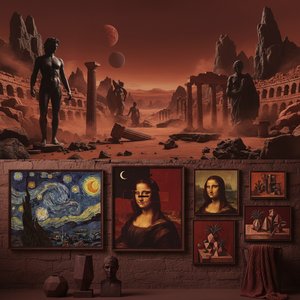
Mars Black Masterpieces: 10 Iconic Paintings & Timeless Art Decor Ideas
Delve into the power of 'Mars Black' with 10 iconic paintings by masters like Rembrandt & Caravaggio. Explore dramatic chiaroscuro, gothic art, and timeless beauty. Find museum-quality reproductions & elevate your home decor on .

Monochrome Visions: Exploring the Aesthetic & Historical Significance of Black & White Photography
Explore the rich history & artistic power of black and white photography. From early techniques to iconic masters like Ansel Adams, discover why monochrome continues to captivate art lovers today. Expert insights for collectors.

Dark Masterpieces: 10 Iconic Paintings Dominated by Black Tones |
Explore 10 iconic paintings dominated by black tones, from Rembrandt’s chiaroscuro to Goya's dark expressions. Discover the stories behind these masterpieces & find museum-quality art reproductions for your home at .

Shadow & Soul: Why Black & White Photography Remains the Ultimate Power Move in Modern Art
Discover why black & white photography remains a powerful force in contemporary art. Explore the impact of light, shadow, and texture through a visual journey of monochrome mastery and learn how to elevate your space with timeless grayscale aesthetics.

White on Canvas: 10 Masterpieces & Timeless Elegance for Your Home Decor
Explore 10 iconic white paintings by Monet, Whistler & Rothko! Discover the stories behind these serene masterpieces and their impact on art history. Find museum-quality reproductions for your home decor at .