Surrealist Expressionism
The Tree (막스 에른스트)
막스 에른스트 (1891–1976) 작가의 The Tree Surrealist Expressionism 운동에 속합니다. Acrylic On Canvas(으)로 제작되었습니다. 에센, 독일에 위치한 Museum Folkwang에 소장되어 있습니다.
- Acrylic On Canvas
- Museum Folkwang, 에센

 미리보기

 수작업 유화 작품
 공유하기
 공유하기
 학습용 요약본


 다운로드
 유사 작품 더 보기
 X-레이
 슬라이드 쇼 보기
 질의응답

 통계 정보
The Tree 요약
- 제목
- The Tree
- 작가
- 막스 에른스트 (1891–1976)
- 작가 출생지
- 브륌, 독일
- 매체
- Acrylic On Canvas
- 전시 장소
- Museum Folkwang, 에센, 독일
- 주제
- tree, fruit, people, umbrellas, surrealism, ernst
The Tree은(는) 무엇을 묘사하고 있나요?
A Vision of Abundance and Disquiet: Unpacking “The Tree”
Max Ernst’s “The Tree,” a captivating yet enigmatic work, invites us into a world where the familiar yields to the profoundly strange. It's not merely a depiction of a tree laden with fruit; it’s a carefully constructed tableau brimming with symbolic weight and reflecting the artist’s deeply rooted fascination with the subconscious. The painting immediately arrests the eye with its vibrant palette – a riot of yellows, greens, and reds that suggest both fecundity and an underlying tension. The sheer volume of fruit—bananas and apples mingling together—creates a sense of overwhelming abundance, a visual metaphor for the potential and perils of excess. Yet, this apparent prosperity is subtly undercut by the presence of figures, some standing in quiet contemplation, others seemingly lost within the scene’s density.
The Roots of Surrealism: Ernst's Intellectual Landscape
Understanding “The Tree” requires acknowledging Max Ernst’s unique artistic trajectory. Born in Brühl, Germany, in 1891, Ernst wasn’t a traditional artist; he was an intellectual explorer who approached painting as a means of unlocking the hidden landscapes of his mind. His academic background—spanning philosophy, art history, psychology, and psychiatry – profoundly shaped his work. He deliberately sought to disrupt conventional representation, drawing inspiration from automatism, dream imagery, and the theories of Sigmund Freud. This pursuit of the irrational is powerfully evident here; the seemingly random arrangement of objects and figures suggests a world governed not by logic but by instinct and association. Ernst’s early experiments with frottage—a technique involving rubbing paper over textured surfaces – further demonstrate his interest in accessing the unconscious, creating images that emerge organically from chance encounters.
- Technique: Ernst employed a layered approach, utilizing oil paints and collage elements. The fruit appears almost sculpted, with a tactile quality that contrasts sharply with the more fluid rendering of the figures and background.
- Color Palette: The intense colors are not merely decorative; they contribute to the painting’s overall mood, evoking both joy and unease.
Symbolism in the Fruitful Chaos: Interpretation and Nuance
The specific fruits depicted—bananas and apples—carry significant symbolic weight. Bananas, often associated with tropical abundance and exotic allure, can also represent temptation and fleeting pleasure. Apples, steeped in mythology and religious iconography (particularly linked to the story of Adam and Eve), symbolize knowledge, sin, and mortality. Their juxtaposition suggests a complex interplay between desire, transgression, and the consequences of choice. The figures themselves are deliberately ambiguous; their postures and expressions invite speculation about their relationship to the tree and its bounty. Are they participants in a celebration? Victims of an overwhelming experience? Or simply observers of this surreal spectacle?
A Legacy of Disruption: Ernst’s Enduring Influence
“The Tree” stands as a quintessential example of Max Ernst's contribution to the Surrealist movement. It embodies his commitment to challenging conventional perceptions and exploring the depths of the human psyche. His work, like that of many pioneers of the 20th century, continues to resonate with viewers today, prompting us to question our own assumptions about reality and inviting us to embrace the power of the imagination. A reproduction of this vibrant and unsettling masterpiece offers a unique opportunity to bring this complex and compelling vision into your home or studio – a testament to Ernst’s enduring legacy as one of art's most daring and innovative figures.
The Tree은(는) 어느 미술관에 소장되어 있나요?
Museum Folkwang
에센, 독일
Museum Folkwang의 기원과 역사 Museum Folkwang의 역사는 서로 다른 두 유산이 하나로 만나는 지점에서 시작됩니다. 1902년, 카를 에르스트 오스하우스는 현대적 표현에 대한 독보적인 비전을 담아 사립 미술관인 폴크와그 미술관을 설립했습니다. 이후 1906년에 설립된 에센의 Kunstmuseum이 그 뒤를 이으며 두 흐름은 결합하게 됩니다.

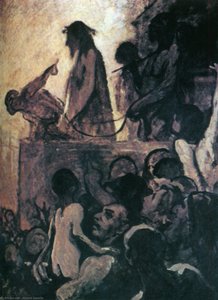

The Tree의 고해상도 이미지

Protected by copyright: these files are for personal reference, not a licence to republish.
막스 에른스트, The Tree, Museum Folkwang.
The Tree에 관한 질문과 답변
현재 막스 에른스트의 "The Tree"은(는) 어디에서 관람할 수 있나요?
막스 에른스트의 "The Tree"은(는) Museum Folkwang, 에센, 독일에 전시되어 있습니다. 박물관 목록은 복제품이 아닌 원작을 기준으로 합니다.
막스 에른스트의 "The Tree"의 기법은 무엇인가요?
"The Tree"은(는) Acrylic On Canvas 기법으로 제작되었습니다.
막스 에른스트의 "The Tree"에는 어떤 소재가 등장하나요?
"The Tree"에 담긴 소재는 tree, fruit, people, umbrellas, surrealism, ernst, landscape, tropical입니다.
막스 에른스트의 "The Tree"의 이미지를 자유롭게 복제할 수 있나요?
저작권과 관련하여, "The Tree"은(는) 저작권 보호 대상입니다 상태입니다.
"The Tree"은(는) 어떤 화풍에 속하나요?
"The Tree"은(는) Surrealist Expressionism 양식의 작품입니다. 이 사조는 해당 작품이 속한 예술적 전통을 나타냅니다.
"The Tree"은(는) 막스 에른스트의 예술적 발전 단계 중 어느 시기를 나타냅니까?
"The Tree"의 저작권 상태가 왜 이렇게 지정되어 있나요?
"The Tree"의 저작권 상태(저작권 보호 대상입니다)는 작가의 1976년 사망 시점을 기준으로 결정됩니다.
아티스트 막스 에른스트 소개

1891–1976, 독일
막스 에른스트
막스 에른스트의 삶과 기원 막스 에른스트는 1891년 4월 2일, 독일 브륌에서 세상에 첫발을 내디뎠습니다. 아홉 남매 중 셋째로 태어난 그는 중산층 가톨릭 가정의 울타리 안에서 성장했습니다. 그의 유년 시절은 청각 장애인을 가르치는 교사였던 아버지 필립의 영향 아래, 고요하고도 절제된 분위기 속에서 형성되었습니다. 아마추어 화가이기도 했던 아버지는 막스에게 예술적 도구와 창작의 실천이라는 소중한 경험을 처음으로 선사한 통로였습니다.
막스 에른스트의 다른 작품들
 Célèbes or Elephant Célèbes1921
 엘레펀트 셀레베스1921
 유럽의 비 이후 II1942
 남자는 이것을 알지 못한다1923
The Tree 관련 에세이
 25 Masterpieces by Ernst Ludwig Kirchner: The Soul of German ExpressionismExplore 25 iconic Ernst Ludwig Kirchner masterpieces of German Expressionism. Discover the full collection online at OriginalUniqueArt.com.
 Unlocking the Unconscious: The Top 25 Masterpieces by Max ErnstStep into the dreamscapes of Max Ernst. Explore 25 iconic Surrealist masterpieces, from pioneering collage to haunting Frottage techniques.…
 The Weight of an Apple: From Biblical Allegory to the Structural Vision of CézanneExplore the evolution of the apple from biblical allegory to Cézanne's geometry. Trace this artistic legacy with our expert analysis.