프린트 판매로 전환
 더 보기
더 보기







































 가로 또는 세로 중 어느 한 면이라도 105cm(약 41인치)를 초과하는 작품이나 복제화의 경우, 프레임은 분해된 키트 형태로 배송됩니다. 이는 안전한 배송을 보장하고 운송 중 발생할 수 있는 손상을 방지하기 위함입니다.


The Surrealist Vision of Max Ernst: Exploring “The Postman Cheval”
Max Ernst’s “The Postman Cheval,” painted in 1932 during the height of Dadaism and Surrealism, isn't merely a depiction of a postal worker; it’s an audacious manifesto against rationality and a profound meditation on human aspiration. Created amidst the anxieties of pre-war Europe – grappling with fascism, economic instability, and simmering discontent – Ernst’s artwork embodies the spirit of rebellion that characterized these artistic movements.
- Style: Dadaist Surrealism - Rejecting logic and embracing chance, Ernst fused disparate elements into a single unsettling image.
- Technique: Ernst employed a mixed media approach, combining oil paint with collage materials – newspaper clippings, wood shavings, and fragments of fabric – to disrupt traditional artistic conventions. This deliberate fragmentation mirrored the fractured psyche explored by Surrealist thinkers like Sigmund Freud.
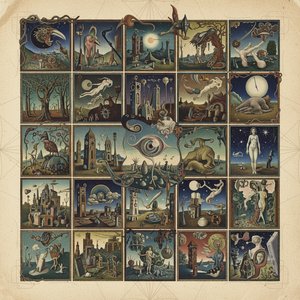
The painting itself presents a bizarre tableau: Cheval, the postman, ascends a monumental staircase constructed from driftwood, seemingly determined to deliver mail to the moon. Surrounding him are fantastical creatures – a giraffe, a rhinoceros, and a snail – each contributing to the dreamlike atmosphere. These animals aren’t simply decorative; they represent primal instincts and desires, symbolizing humanity's yearning for transcendence.
Symbolism and Psychological Depth
Ernst deliberately utilized symbolism to convey complex psychological ideas. The staircase embodies ambition and perseverance, yet its unstable construction underscores the futility of striving towards unattainable goals. Cheval’s unwavering gaze directs upwards, signifying a refusal to accept limitations imposed by earthly realities.
The inclusion of animals – particularly the giraffe and rhinoceros – speaks to Freud's theories on unconscious desires and primal instincts. They represent forces beyond conscious control, mirroring the irrational impulses that drive human behavior. The snail symbolizes slow progress and perseverance despite obstacles—a poignant reminder that even seemingly insignificant efforts can contribute to a larger purpose.
Historical Context: Dadaism’s Critique of Modernity
“The Postman Cheval” emerged from Dadaism, born in Zurich during World War I as a reaction against the horrors of conflict and the perceived hypocrisy of bourgeois society. Dadaists rejected artistic conventions altogether, advocating for absurdity and spontaneity as tools for dismantling established ideologies.
Ernst’s artwork embodies this Dadaist ethos by deliberately undermining expectations and challenging viewers to confront uncomfortable truths about human nature. It serves as a powerful indictment of societal values that prioritize order over creativity and reason over imagination—values Ernst believed were ultimately destructive.
Emotional Impact: A Dreamlike Reflection on Human Aspirations
Ultimately, “The Postman Cheval” evokes a sense of melancholy wonder. Its unsettling imagery compels contemplation about the nature of ambition, desire, and the human condition. The painting’s dreamlike quality invites viewers to immerse themselves in a realm beyond logic, prompting them to consider what it truly means to strive for something greater than oneself.
- Interior Design Inspiration: Consider incorporating driftwood textures and muted color palettes into contemporary spaces to capture the essence of Ernst’s surrealist vision.
- Collector's Perspective: This artwork exemplifies Surrealism's commitment to exploring the subconscious—a captivating subject for discerning collectors interested in challenging conventional artistic boundaries.
질의응답
"The postman Cheval"은(는) 어떤 감정을 전달하나요?
"The postman Cheval"은(는) Romantic한 분위기를 자아냅니다. 이 정서적 톤은 작품이 전달하는 인상을 설명합니다.
막스 에른스트의 "The postman Cheval"의 저작권 상태는 어떻게 되나요?
막스 에른스트의 "The postman Cheval"은(는) 저작권 보호 대상입니다 상태입니다. 저작권 보호 기간은 작가가 사망한 1976년부터 기산됩니다.
"The postman Cheval"이(가) 공간에 어떤 분위기를 선사할까요?
막스 에른스트의 "The postman Cheval"의 Elegant한 분위기는 추천 공간인 Living Room과 완벽하게 어우러집니다.
이 작품에 대해 더 알아보기
 미리보기
미리보기
 공유하기
공유하기 공유하기
공유하기
 상세 정보
상세 정보 가이드 보기

 다운로드
다운로드
 유사 작품 더 보기
 X-레이
X-레이 슬라이드 쇼 보기
 질의응답
질의응답 통계 정보
통계 정보