프린트 판매로 전환
 상세 보기
상세 보기







































 가로 또는 세로 중 어느 한 면이라도 105cm(약 41인치)를 초과하는 작품이나 복제화의 경우, 프레임은 분해된 키트 형태로 배송됩니다. 이는 안전한 배송을 보장하고 운송 중 발생할 수 있는 손상을 방지하기 위함입니다.


A Vision of Childhood Innocence Amidst Surreal Landscape
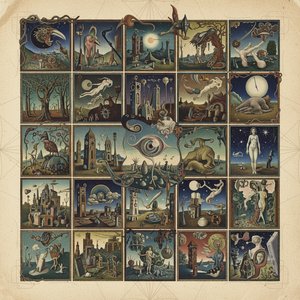
Max Ernst’s “Painting for Young People,” completed in 1943, stands as a striking testament to the artist's unwavering commitment to exploring the subconscious mind and confronting anxieties inherent within the human condition. More than just a depiction of a pastoral scene—rock formations, trees, and buildings intertwine—the painting embodies Ernst’s signature surrealist aesthetic, presenting an unsettling yet profoundly beautiful panorama that continues to captivate viewers decades after its creation.
- Subject Matter: The artwork portrays a stylized landscape reminiscent of childhood memories. Ernst deliberately eschewed realistic representation, opting instead for fantastical elements designed to stimulate imagination and provoke contemplation about the formative years of life.
- Style & Technique: Ernst’s masterful application of oil paint on canvas exemplifies the core principles of Surrealism. He employed techniques like frottage—rubbing textured surfaces onto canvas—and decalcomania—transferring pigment from one surface to another—to generate unpredictable patterns and textures that defy conventional artistic conventions. These methods deliberately disrupted rational thought, mirroring the irrational impulses of dreams.
- Historical Context: Created during World War II, “Painting for Young People” reflects the pervasive atmosphere of fear and uncertainty gripping Europe at the time. However, Ernst wasn’t merely documenting the horrors of war; he sought to transcend its immediate impact by delving into universal themes of innocence, vulnerability, and resilience—themes powerfully conveyed through his surreal imagery.
Symbolism: Layers of Meaning Beyond Appearances
The painting's visual elements resonate with symbolic significance. The prominent clock in the center serves as a poignant reminder of time’s relentless march, juxtaposed against the tranquil beauty of the landscape—a deliberate contrast that underscores the tension between childhood optimism and adult disillusionment. Ernst’s use of muted colors contributes to the overall mood, fostering a sense of melancholy yet simultaneously hinting at hidden depths.
- Color Palette: Ernst favored earthy tones – ochre, browns, greens – reflecting a desire for grounding amidst the dreamlike quality of his compositions. These hues evoke feelings of nostalgia and comfort while subtly conveying an underlying apprehension about the passage of time.
- Recurring Motifs: The scattered rocks and trees symbolize stability and permanence, albeit viewed through a distorted lens—a visual representation of how memories fade and transform over time. Ernst’s meticulous attention to detail reinforces the painting's emotional impact, inviting viewers to immerse themselves in its evocative atmosphere.
Emotional Resonance: An Invitation to Reflection
"Painting for Young People" transcends mere visual spectacle; it compels introspection. Ernst aimed to tap into the viewer’s subconscious, prompting them to confront their own anxieties and aspirations—much like a child encountering the complexities of the adult world. The painting's unsettling beauty lies in its ability to simultaneously soothe and disturb, reminding us that even amidst darkness, there remains an enduring yearning for innocence and wonder.
- Psychological Impact: Ernst’s work consistently explores themes of repression, desire, and transformation—subjects tackled with unflinching honesty. He believed that art could serve as a conduit for accessing hidden emotions and confronting unresolved traumas.
- Legacy & Influence: “Painting for Young People” solidified Ernst's position as a pioneer of Surrealism and profoundly influenced subsequent generations of artists. Its enduring appeal stems from its ability to capture the essence of human experience—the bittersweet blend of joy and sorrow, certainty and doubt—themes that continue to resonate with audiences today.
질의응답
막스 에른스트의 "Painting for Young People"의 느껴지는 밝기는 어느 정도인가요?
시각적 밝기 측면에서 볼 때, 막스 에른스트의 "Painting for Young People"은(는) balanced 수준입니다.
막스 에른스트의 "Painting for Young People"의 프린트를 어디에서 구매할 수 있나요?
막스 에른스트의 "Painting for Young People"의 프린트는 해당 파인 아트 프린트 페이지에서 바로 주문하실 수 있습니다: 코튼 캔버스 또는 아카이브용 캔버스지에 인쇄된 파인 아트 프린트
"Painting for Young People"은 어떤 종류의 작품인가요?
막스 에른스트의 "Painting for Young People"은(는) WallArt로 분류됩니다. 이 카테고리는 원작이 어떤 종류의 예술 작품인지를 설명합니다.
More about this painting
 실제 크기로 보기
 보내기
보내기 공유하기
공유하기
 상세 보기
상세 보기 가이드 보기

 이미지 다운로드
 유사 작품 더 보기
 X-레이
X-레이 슬라이드 쇼 보기
 Q&A
Q&A 통계 정보
통계 정보