

 미리보기
미리보기
 공유하기
공유하기 공유하기
공유하기
 상세 정보
상세 정보

 다운로드
다운로드
 유사 작품
유사 작품 X-레이
X-레이 슬라이드 쇼
 통계 정보
통계 정보La vie des animaux

 더 보기
더 보기
수제 유화 복제품
원하는 크기와 액자로 주문 제작되는, 작가들이 직접 캔버스에 손으로 그린 유화 작품입니다. ( 프린트 판매로 전환 디지털 이미지로 전환)




P118B $10

P118H $10

P118W $10

P438Z $10

P508JH $12

P508YH $12

P805H $10

P805Z $10

P919BZ $10

P919G $10

P919XJ $10

P959ZH $10

P968JZ $12

W106C $8

W218G $10

W218JH $8

W218Y $10

W307PJ $10

W316G $10

W316PJ $8

W316Y $10

W398PJ $8

W4111J $10

W500HY $15

W500JH $15

W692G $12

W849H $8

W940BG $15

W953PJ $8




작품의 원본 비율을 유지하는 미리 설정된 크기 중에서 선택하세요.

특정 프레임이나 공간에 맞도록 직접 크기를 입력할 수 있습니다. 선택하신 크기가 원본 이미지의 비율과 일치하지 않는 경우, 작품을 자르거나 추가적인 손으로 그린 요소를 사용하여 그림을 확장합니다. 제작 시작 전 승인을 위해 디지털 목업을 보내드립니다.
화면 미리 보기는 실제 자르기 또는 확장을 반영하지 않습니다. 최종 구성은 목업을 통해서만 정확하게 확인하실 수 있습니다.
맞춤 크기 제작도 가능하지만, 원본 비율을 유지하기 위해 사전 정의된 목록에서 크기를 선택하시는 것을 권장합니다.
주문 후 OriginalUniqueArt.com 팀에서 상세 안내를 위해 고객님께 이메일을 보내드리며, 미리보기 시안을 제공해 드립니다.


 유리 옵션은 110cm 미만 크기에서만 선택 가능합니다.

La vie des animaux
재현 기법
복제본 크기
-


최종 결제 금액
$ 300
A Symphony of Yellows and Blues: Exploring Max Ernst’s “La vie des animaux”
Max Ernst's "La vie des animaux" isn’t merely a painting; it’s an invitation into the subconscious mind—a realm where logic yields to dreamlike imagery and color becomes a conduit for emotion. Executed around 1964, this abstract composition exemplifies Ernst’s signature Surrealist style, prioritizing intuition over representation to capture the essence of animal existence.
- Composition: The canvas is dominated by a tranquil azure expanse—a shade reminiscent of twilight skies—providing a grounding counterpoint to the scattered bursts of vibrant yellow dots. These aren’t haphazard splashes; they are meticulously placed, creating an intricate visual tapestry that draws the eye across the surface.
- Technique: Ernst employed oil paint on burlap, a material chosen for its textural qualities and ability to absorb pigment evenly. This technique lends the artwork a palpable physicality, mirroring the organic rhythms of nature itself. The artist’s brushstrokes are loose and expressive, conveying movement and dynamism despite the apparent stillness of the scene.
- Symbolism: Yellow, traditionally associated with optimism and vitality, symbolizes the energy and fecundity inherent in animal life—the promise of new beginnings and the cycle of renewal. However, its distribution across the canvas isn’t uniform; some dots are large and prominent, while others are diminutive, hinting at complexities beneath the surface.
- Historical Context: “La vie des animaux” emerged during Ernst's prolific period as a Surrealist innovator. Influenced by Freud’s psychoanalytic theories and Dada’s rejection of bourgeois values, Ernst sought to liberate art from rational constraints, delving into the depths of human psyche and exploring fantastical landscapes.
- Emotional Impact: Viewing this artwork evokes a sense of wonder—a feeling akin to encountering an unexpected beauty in the natural world. The interplay of color and texture stimulates contemplation, prompting viewers to consider themes of metamorphosis, instinct, and the interconnectedness of all living things. It’s a piece that lingers in the mind long after it has been observed.
Further Exploration: Ernst's Artistic Legacy
Beyond “La vie des animaux,” Max Ernst’s oeuvre encompasses a diverse range of mediums and styles—from collage and etching to sculpture and lithography. His fascination with mythology, alchemy, and primitive art fueled his artistic explorations, resulting in groundbreaking works that challenged conventional notions of representation.
Consider visiting Musée de la Vie Romantique in Paris, where you can immerse yourself in the atmosphere of Romanticism—a movement Ernst himself admired—and witness firsthand the influence of artists like Ary Scheffer. Alternatively, delve into the world of Surrealist art at Musée des Beaux-Arts et de la Céramique in Rouen to appreciate the breadth of Ernst’s artistic vision.
Connecting with the Artwork Online
Discover more about “La vie des animaux” and Max Ernst's broader artistic journey through online resources. Pinterest showcases inspiring images and interpretations of his work, offering a glimpse into the creative spirit that shaped his oeuvre. MutualArt provides detailed information on auction records and stylistic analysis—a valuable tool for collectors interested in understanding the artwork’s significance.
Explore MutualArt to uncover fascinating insights into Ernst's career and artistic achievements. Don’t miss out on upcoming exhibitions at your favorite galleries—stay informed about events celebrating Ernst’s legacy!
Resources for Art Enthusiasts
Interested in expanding your knowledge of Surrealist art? Explore The Guggenheim Museum's collection featuring Max Ernst’s “City with Animals,” offering a captivating visual experience and scholarly commentary.
For detailed market analysis and appraisal services, consult Invaluable—the premier online platform for art valuation and sales.
작가 약력
막스 에른스트: 초현실의 탐험가
막스 에른스트(Maximilian Maria Ernst, 1891년 4월 2일 – 1976년 4월 1일)는 독일 브흘에서 태어나 프랑스를 대표하는 20세기 가장 중요한 예술가 중 한 명으로 자리매김했습니다. 그의 삶은 끊임없는 변화와 실험의 여정이었으며, 철학적 탐구, 심리적 매혹, 그리고 사회 규범에 대한 깊은 불만족을 연료로 삼아 초현실주의라는 독특한 예술 세계를 구축했습니다. 아버지 필립 에른스트는 청각 장애인을 가르치는 교사이자 아마추어 화가였으며, 막스에게 세상에 대한 민감성과 확고한 권위에 대한 반항심을 심어주었습니다. 이러한 이중성은 그의 예술적 비전을 정의하는 특징이 되었습니다.
막스는 본 대학교에서 철학, 미술사, 문학, 심리학, 정신의학 등 다양한 분야를 공부하며 지적인 깊이를 더했습니다. 그는 단순히 그림 그리는 방법을 배우는 데 만족하지 않고, 왜 그림을 그려야 하는지에 대한 근본적인 질문에 답하려 했습니다. 이러한 지적 호기심은 1912년 쾰른에서 열린 순데르분트 전시에 참여하면서 피카소, 고흐, 고갱의 혁신적인 작품들을 접하며 그의 예술적 방향을 완전히 바꾸는 계기가 되었습니다. 현대 미술의 씨앗이 뿌려진 순간이었습니다.
다다의 파괴와 초현실주의 비전의 탄생
제1차 세계 대전은 막스의 삶에 결정적인 전환점이 되었습니다. 동부 및 서부 전선에서 군인으로 복무하며 겪은 충격적인 경험은 기존 질서에 대한 깊은 회의감을 불러일으켰고, 새로운 표현 방식을 갈망하게 만들었습니다. 이러한 불만족은 1918년 독일로 돌아와 다다이즘 운동에 적극적으로 참여하면서 해소되었습니다. 막스는 한스 아르프와 함께 다다 그룹의 핵심 인물이 되어 전통적인 예술적 규범을 거부하고, 부조리함과 우연성, 비합리성을 포용했습니다.
그러나 다다이즘은 단지 발판에 불과했습니다. 1920년대 초반, 막스는 파리로 이주하여 안드레 브르통의 지도 아래 초현실주의 운동에 합류하며 새로운 장을 열었습니다. 이는 꿈의 영역, 무의식, 그리고 비합리적인 측면을 탐구하는 전환점이 되었습니다. 지그문트 프로이트의 정신분석학 이론에 영향을 받아 막스는 자신의 예술을 통해 인간 경험의 숨겨진 깊이를 밝혀내고자 했습니다. 그는 현실이 보이는 대로 묘사하기보다는 그것을 형성하는 근본적인 심리적 힘을 드러내는 데 관심을 가졌습니다.
혁신적인 기법: 프로타주, 그라따주, 콜라주
막스의 예술적 혁신은 주제뿐만 아니라 기법에도까지 확장되었습니다. 그는 기존의 방법을 단순히 채택하는 대신 새로운 기법을 끊임없이 실험했습니다. 아마도 그의 가장 유명한 공헌은 나무 결을 관찰하던 지루함에서 비롯된 프로타주(frottage)일 것입니다. 이 기술은 표면에 연필이나 목탄을 문질러 예상치 못한 표현력과 매력을 지닌 이미지를 만들어냈습니다. 막스는 이러한 과정을 통해 무의식에 접근하고 의식적인 통제 없이 형태를 생성할 수 있었습니다. 밀접하게 관련된 기법인 그라따주(grattage)는 캔버스 위에 페인트를 긁어내어 아래층을 드러내는 방식입니다.
또한 그는 잡지 이미지, 과학 일러스트레이션, 사진 등 다양한 요소를 초현실적인 구성으로 조립하는 콜라주(collage)를 능숙하게 활용했습니다. 이러한 기법은 단순한 스타일적 선택이 아니라 무의식을 탐구하고 전통적인 예술적 경계를 파괴하려는 그의 열망과 밀접하게 연결되어 있었습니다. 그의 그림에는 종종 새(특히 자신의 또 다른 모습인 로플롭), 황량한 풍경, 불안정한 대비, 그리고 짙은 신비감이 나타납니다.
혁신과 영향의 유산
제2차 세계 대전 발발로 인해 막스는 유럽을 떠나 미국에서 피난처를 찾아야 했습니다. 그는 망명 생활 동안에도 새로운 기법을 실험하며 그림 그리기를 멈추지 않았고, 전쟁 이후 프랑스로 돌아와 활동적인 삶을 이어갔습니다. 1976년 4월 1일 파리에서 세상을 떠날 때까지 그의 예술은 끊임없이 진화했습니다.
막스 에른스트의 다다이즘과 초현실주의에 대한 공헌은 혁명적이었으며, 예술적 규범에 도전하고 무의식의 깊이를 탐구하며 오늘날에도 예술가들에게 영감을 주는 혁신적인 기법을 창조했습니다. 그는 단순한 화가가 아니라 탐험가이자 선동가이며, 예술 자체의 경계를 확장시킨 선지자였습니다. 그의 작품은 상상력의 힘, 비이성적 매력, 그리고 인간 정신의 복잡성을 이해하려는 끊임없는 노력에 대한 증거입니다.
- 주요 작품: 전체 도시, 에우클리데스, 이 남자들은 이것을 알지 못한다, 숲과 비둘기
- 영향을 받은 예술가: 파블로 피카소, 빈센트 반 고흐, 폴 고갱, 지그문트 프로이트, 조르조 데 키리코
- 운동: 다다, 초현실주의
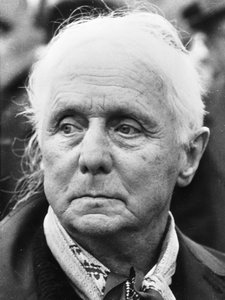
막스 에른스트
1891 - 1976 , 독일
주요 정보
- 국적: 독일-미국, 프랑스
- 사망일: 1976년 4월 1일
- 영향을 받은 예술 사조:
- 초현실주의
- 다다
- 영향을 준 예술가:
- 파블로 피카소
- 빈센트 반 고흐
- 폴 고갱
- 조르주 드 키리코
- 예술 사조: 다다이즘, 초현실주의
- 전체 이름: 막스 에른스트
- 주요 작품:
- 전체 도시
- 유클리데스
- 이것에 대해 사람은 아무것도 모를 것이다
- 숲과 비둘기
- 출생일: 1891년 4월 2일
- 출생지: 브륄, 독일
관련 기사 더 보기

Serene Blue Backgrounds: Discover Soulful Art to Transform Your Space with Timeless Elegance
Transform your home with soulful blue art. From serene Monet impressions to modern textured sculptures, discover curated masterpieces designed to inspire calm. Explore expert art consultations and bespoke hand-painted reproductions to create your personal sanctuary.

Slate Blue Masterpieces: 10 Iconic Paintings & Timeless Home Decor Ideas
Immerse yourself in the captivating world of slate blue! Explore 10 iconic paintings by Monet, Van Gogh & Renoir. Discover their stories, techniques & find museum-quality art reproductions for your home at .
생명의 공간으로: 예술 속 동물 형상의 지속적인 존재와 인테리어 디자인 탐구
예술 속 동물 형상의 깊은 의미와 인테리어 디자인 활용법을 탐구합니다. 기독교 미술의 상징주의부터 현대적인 공간 연출까지, OriginalUniqueArt에서 전문가의 통찰력을 만나보세요.

맥스 어른스트 최고 걸작 25선: 꿈과 무의식의 화가, 공간에 예술을 더하다
맥스 어른스트 최고 걸작 25선을 만나보세요. 초현실주의 화가 어른스트의 꿈, 무의식, 혁신적인 기법이 담긴 명화들을 감상하고, 공간에 예술적 영감을 불어넣으세요. OriginalUniqueArt.com에서 고품질 미술 작품을 컬렉션하세요.

추상표현주의를 정의한 10대 걸작: 예술과 인테리어의 새로운 영감
추상표현주의의 심장을 뛰게 한 10대 걸작을 만나보세요. 폴록, 로스코 등 거장의 작품 비하인드 스토리와 예술적 영감을 OriginalUniqueArt에서! 지금 바로 미술품 컬렉션을 탐험하고, 당신의 공간에 특별한 예술적 감성을 더하세요. OriginalUniqueArt.com


