미리보기
미리보기
 공유하기
공유하기 공유하기
공유하기
 상세 정보
상세 정보

 다운로드
다운로드
 유사 작품
유사 작품 X-레이
X-레이 슬라이드 쇼
La rueda solar


 더 보기
더 보기
지클레 / 아트 프린트
빠른 제작과 다양한 마감 옵션을 제공하는 박물관 품질의 지클레이 또는 캔버스 프린트. ( 수제 페인팅으로 전환하기 이미지로 전환)




P118B $10

P118H $10

P118W $10

P438Z $10

P508JH $12

P508YH $12

P805H $10

P805Z $10

P919BZ $10

P919G $10

P919XJ $10

P959ZH $10

P968JZ $12

W106C $8

W218G $10

W218JH $8

W218Y $10

W307PJ $10

W316G $10

W316PJ $8

W316Y $10

W398PJ $8

W4111J $10

W500HY $15

W500JH $15

W692G $12

W849H $8

W940BG $15

W953PJ $8




작품의 원본 비율을 유지하는 미리 설정된 크기 중에서 선택하세요.

특정 프레임이나 공간에 맞춰 직접 치수를 입력하실 수 있습니다. 선택하신 사이즈가 원본 이미지의 비율과 일치하지 않을 경우, 작품을 크롭(자르기)하거나 이미지를 대칭 또는 단색 채우기로 확장하여 제작합니다. 제작 시작 전, 최종 확인을 위해 디지털 목업이 전송됩니다.
화면상의 미리보기는 실제 크롭이나 확장 상태를 반영하지 않으므로, 최종 구도는 오직 목업을 통해서만 정확하게 확인하실 수 있습니다.
맞춤 사이즈 제작도 가능하지만, 원본 비율을 유지하기 위해서는 사전 정의된 목록에서 치수를 선택하시는 것을 권장합니다.


 유리 옵션은 110cm 미만 크기에서만 선택 가능합니다.

La rueda solar
지클레 / 아트 프린트
복제본 크기
-


최종 결제 금액
$ 80
작품 상세 설명
A Celestial Enigma: The Luminous Mystery of La Rueda Solar
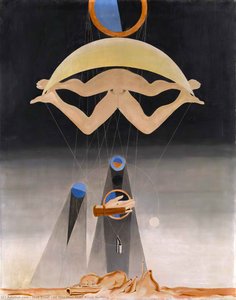
In the vast, shadowy corridors of Surrealist history, few works possess the hypnotic pull of Max Ernst’s “La Rueda Solar,” or The Sun Wheel. Created during the transformative years between 1927 and 1930, this masterpiece serves as a profound gateway into the artist's psyche, where the boundaries between the rational world and the dreamscape dissolve into a singular, radiant vision. At first glance, the viewer is confronted by a mesmerizing geometric dance—a central, orb-like sphere that seems to pulse with an inner light against an infinite, obsidian void. This is not merely a painting of shapes; it is an invitation to witness the birth of a cosmic order emerging from the darkness of the subconscious.
The composition is a masterclass in controlled tension. Ernst utilizes a series of concentric circles that radiate outward, creating a rhythmic vibration that draws the eye deeper into the heart of the work. While the primary focus remains on this celestial geometry, subtle human elements emerge within the periphery, adding a layer of poignant vulnerability to the abstract expanse. These figures, nestled within the complex patterns, remind us that even in the most profound cosmic explorations, the human experience remains inextricably linked to the universe. For the discerning collector or interior designer, this piece offers a sophisticated focal point, bringing a sense of intellectual depth and quiet drama to any curated space.
Technique and the Alchemy of Surrealism
To observe “La Rueda Solar” is to witness the alchemical mastery of Max Ernst’s technique. Eschewing the rigid constraints of traditional realism, Ernst employed a deliberate layering of oil paints to achieve a textured, almost tactile surface. This method allows for subtle gradations of color that catch the light differently depending on one's perspective, mimicking the shimmering quality of a true solar event. The stark contrast between the luminous, golden-hued circular motifs and the deep, velvety black background creates a chiaroscuro effect that intensifies the painting's perceived movement.
Ernst’s approach was deeply rooted in his desire to liberate art from the shackles of logic. By embracing a more intuitive, experimental process, he achieved what many call calculated chaos—a state where the artist’s hand guides the medium through spontaneous discovery. This technique is particularly evident in the way the edges of the circles seem to bleed into the surrounding darkness, suggesting an expansion that is both infinite and intimate. For those seeking a high-quality reproduction, capturing these delicate textures and the interplay of light is essential to preserving the emotional weight and the "breathing" quality of the original canvas.
A Legacy of Rebellion and Symbolism
The historical heartbeat of this work is found in the turbulent aftermath of World War I. Emerging from the ashes of the Dada movement, Ernst used his art as a weapon against the societal hypocrisy and rationalism that had led to global catastrophe. “La Rueda Solar” embodies this spirit of rebellion by replacing the recognizable world with a symbolic language of archetypes. The sun wheel itself is a potent symbol of cyclical time, rebirth, and the eternal motion of the cosmos—themes that resonate deeply with the human fascination with the unknown.
Beyond its historical significance, the painting offers an unparalleled emotional impact. It evokes a sense of awe and contemplative stillness, making it an ideal acquisition for those who value art that stimulates both the mind and the spirit. Whether placed in a modern gallery setting or as a centerpiece in a luxurious residential interior, this reproduction of Ernst’s vision serves as a constant reminder of the beauty found in mystery. It is a piece that does not merely decorate a room; it transforms it, providing a window into a realm where every circle tells a story of light, shadow, and the enduring power of the human imagination.
작가 약력
막스 에른스트: 초현실의 탐험가
막스 에른스트(Maximilian Maria Ernst, 1891년 4월 2일 – 1976년 4월 1일)는 독일 브흘에서 태어나 프랑스를 대표하는 20세기 가장 중요한 예술가 중 한 명으로 자리매김했습니다. 그의 삶은 끊임없는 변화와 실험의 여정이었으며, 철학적 탐구, 심리적 매혹, 그리고 사회 규범에 대한 깊은 불만족을 연료로 삼아 초현실주의라는 독특한 예술 세계를 구축했습니다. 아버지 필립 에른스트는 청각 장애인을 가르치는 교사이자 아마추어 화가였으며, 막스에게 세상에 대한 민감성과 확고한 권위에 대한 반항심을 심어주었습니다. 이러한 이중성은 그의 예술적 비전을 정의하는 특징이 되었습니다.
막스는 본 대학교에서 철학, 미술사, 문학, 심리학, 정신의학 등 다양한 분야를 공부하며 지적인 깊이를 더했습니다. 그는 단순히 그림 그리는 방법을 배우는 데 만족하지 않고, 왜 그림을 그려야 하는지에 대한 근본적인 질문에 답하려 했습니다. 이러한 지적 호기심은 1912년 쾰른에서 열린 순데르분트 전시에 참여하면서 피카소, 고흐, 고갱의 혁신적인 작품들을 접하며 그의 예술적 방향을 완전히 바꾸는 계기가 되었습니다. 현대 미술의 씨앗이 뿌려진 순간이었습니다.
다다의 파괴와 초현실주의 비전의 탄생
제1차 세계 대전은 막스의 삶에 결정적인 전환점이 되었습니다. 동부 및 서부 전선에서 군인으로 복무하며 겪은 충격적인 경험은 기존 질서에 대한 깊은 회의감을 불러일으켰고, 새로운 표현 방식을 갈망하게 만들었습니다. 이러한 불만족은 1918년 독일로 돌아와 다다이즘 운동에 적극적으로 참여하면서 해소되었습니다. 막스는 한스 아르프와 함께 다다 그룹의 핵심 인물이 되어 전통적인 예술적 규범을 거부하고, 부조리함과 우연성, 비합리성을 포용했습니다.
그러나 다다이즘은 단지 발판에 불과했습니다. 1920년대 초반, 막스는 파리로 이주하여 안드레 브르통의 지도 아래 초현실주의 운동에 합류하며 새로운 장을 열었습니다. 이는 꿈의 영역, 무의식, 그리고 비합리적인 측면을 탐구하는 전환점이 되었습니다. 지그문트 프로이트의 정신분석학 이론에 영향을 받아 막스는 자신의 예술을 통해 인간 경험의 숨겨진 깊이를 밝혀내고자 했습니다. 그는 현실이 보이는 대로 묘사하기보다는 그것을 형성하는 근본적인 심리적 힘을 드러내는 데 관심을 가졌습니다.
혁신적인 기법: 프로타주, 그라따주, 콜라주
막스의 예술적 혁신은 주제뿐만 아니라 기법에도까지 확장되었습니다. 그는 기존의 방법을 단순히 채택하는 대신 새로운 기법을 끊임없이 실험했습니다. 아마도 그의 가장 유명한 공헌은 나무 결을 관찰하던 지루함에서 비롯된 프로타주(frottage)일 것입니다. 이 기술은 표면에 연필이나 목탄을 문질러 예상치 못한 표현력과 매력을 지닌 이미지를 만들어냈습니다. 막스는 이러한 과정을 통해 무의식에 접근하고 의식적인 통제 없이 형태를 생성할 수 있었습니다. 밀접하게 관련된 기법인 그라따주(grattage)는 캔버스 위에 페인트를 긁어내어 아래층을 드러내는 방식입니다.
또한 그는 잡지 이미지, 과학 일러스트레이션, 사진 등 다양한 요소를 초현실적인 구성으로 조립하는 콜라주(collage)를 능숙하게 활용했습니다. 이러한 기법은 단순한 스타일적 선택이 아니라 무의식을 탐구하고 전통적인 예술적 경계를 파괴하려는 그의 열망과 밀접하게 연결되어 있었습니다. 그의 그림에는 종종 새(특히 자신의 또 다른 모습인 로플롭), 황량한 풍경, 불안정한 대비, 그리고 짙은 신비감이 나타납니다.
혁신과 영향의 유산
제2차 세계 대전 발발로 인해 막스는 유럽을 떠나 미국에서 피난처를 찾아야 했습니다. 그는 망명 생활 동안에도 새로운 기법을 실험하며 그림 그리기를 멈추지 않았고, 전쟁 이후 프랑스로 돌아와 활동적인 삶을 이어갔습니다. 1976년 4월 1일 파리에서 세상을 떠날 때까지 그의 예술은 끊임없이 진화했습니다.
막스 에른스트의 다다이즘과 초현실주의에 대한 공헌은 혁명적이었으며, 예술적 규범에 도전하고 무의식의 깊이를 탐구하며 오늘날에도 예술가들에게 영감을 주는 혁신적인 기법을 창조했습니다. 그는 단순한 화가가 아니라 탐험가이자 선동가이며, 예술 자체의 경계를 확장시킨 선지자였습니다. 그의 작품은 상상력의 힘, 비이성적 매력, 그리고 인간 정신의 복잡성을 이해하려는 끊임없는 노력에 대한 증거입니다.
- 주요 작품: 전체 도시, 에우클리데스, 이 남자들은 이것을 알지 못한다, 숲과 비둘기
- 영향을 받은 예술가: 파블로 피카소, 빈센트 반 고흐, 폴 고갱, 지그문트 프로이트, 조르조 데 키리코
- 운동: 다다, 초현실주의
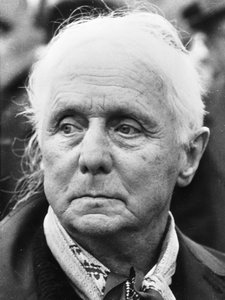
막스 에른스트
1891 - 1976 , 독일
주요 정보
- 국적: 독일-미국, 프랑스
- 사망일: 1976년 4월 1일
- 영향을 받은 예술 사조:
- 초현실주의
- 다다
- 영향을 준 예술가:
- 파블로 피카소
- 빈센트 반 고흐
- 폴 고갱
- 조르주 드 키리코
- 예술 사조: 다다이즘, 초현실주의
- 전체 이름: 막스 에른스트
- 주요 작품:
- 전체 도시
- 유클리데스
- 이것에 대해 사람은 아무것도 모를 것이다
- 숲과 비둘기
- 출생일: 1891년 4월 2일
- 출생지: 브륄, 독일
관련 기사 더 보기

맥스 어른스트 최고 걸작 25선: 꿈과 무의식의 화가, 공간에 예술을 더하다
맥스 어른스트 최고 걸작 25선을 만나보세요. 초현실주의 화가 어른스트의 꿈, 무의식, 혁신적인 기법이 담긴 명화들을 감상하고, 공간에 예술적 영감을 불어넣으세요. OriginalUniqueArt.com에서 고품질 미술 작품을 컬렉션하세요.

기하학적 추상 미술을 정의한 명작 10가지 | OriginalUniqueArt.com
몬드리안, 말레비치 등 거장들의 기하학적 추상 미술 명작 10선을 만나보세요. 각 작품의 예술사적 의미와 색채, 구성을 탐구하고 OriginalUniqueArt.com에서 고품질 아트 프린트를 소장하세요. 지금 바로 온라인 컬렉션을 확인하세요!

Neo-Abstract Art: The High-Impact Evolution of Modern Visual Energy and Geometric Sophistication
Discover the power of Neo-Abstract art. Explore how bold geometric forms and high-impact visual energy are redefining modern design. Learn to curate sophisticated, high-energy spaces with the latest trends in contemporary abstraction and structural color.

Kandinsky's Masterpieces: 25 Paintings That Define Abstract Art | OriginalUniqueArt
Journey through Wassily Kandinsky's 25 most iconic abstract paintings. Explore his revolutionary use of color, form & spiritual expressionism. Find museum-quality Kandinsky reproductions and elevate your home decor with OriginalUniqueArt.com. Discover all masterpieces on OriginalUniqueArt.com!

Beyond Form & Color: Geometric Abstraction's Evolution in 20th/21st Century Art
Explore the evolution of geometric abstraction from Cubism to contemporary art. Discover key artists like Malevich & Mondrian, investment insights, and expert collecting advice at OriginalUniqueArt.