프린트 판매로 전환
 상세 보기
상세 보기







































 가로 또는 세로 중 어느 한 면이라도 105cm(약 41인치)를 초과하는 작품이나 복제화의 경우, 프레임은 분해된 키트 형태로 배송됩니다. 이는 안전한 배송을 보장하고 운송 중 발생할 수 있는 손상을 방지하기 위함입니다.


El Beso: A Surrealist Embrace of Chance
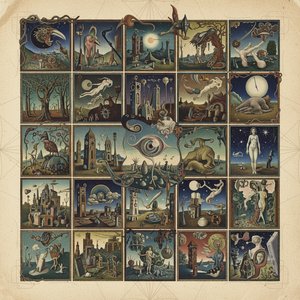
Max Ernst’s “El Beso,” or “The Kiss,” stands as a cornerstone of Dadaism and Surrealism, embodying the movement's rebellious spirit against rational thought and embracing the subconscious realm. Created in 1927 during Ernst’s passionate relationship with Marie-Berthe Aurenche, this oil on canvas masterpiece transcends mere depiction; it’s an exploration of desire, connection, and the transformative power of accidental beauty.
- Composition & Style: The painting's stark simplicity is deceptive. Against a muted blue backdrop, Ernst presents two figures intertwined—a man and a woman—whose forms are deliberately distorted, prioritizing expressive gesture over anatomical accuracy. This stylistic choice aligns perfectly with Dada’s rejection of traditional artistic conventions.
- Technique: Ernst pioneered innovative techniques like frottage (rubbing textured surfaces onto canvas) and graftage (layering materials to create complex textures), which he meticulously applied to achieve a palpable sense of materiality. The use of a coordinate grid system—a deliberate intervention against chance—highlights the artist’s conscious control over seemingly random elements.
- Historical Context: Dada emerged in Zurich during World War I as a reaction to the horrors of conflict and the perceived moral bankruptcy of bourgeois society. Artists like Ernst sought to dismantle established artistic hierarchies and challenge viewers' perceptions of reality, prioritizing emotion and intuition over logic.
Symbolism permeates “El Beso.” The figures’ ambiguous facial expressions convey a profound disconnection—a mirroring of the anxieties surrounding intimacy during this turbulent period. Yet, their embrace embodies an irresistible yearning for connection, reflecting Ernst's own fascination with psychoanalysis and his belief in the subconscious as a source of artistic inspiration. The bird motif—present in other Ernst paintings—represents freedom and aspiration, subtly reinforcing the painting’s overarching theme.
Beyond its formal innovations, “El Beso” resonates deeply with viewers due to its exploration of fundamental human emotions. It captures the vulnerability inherent in romantic relationships and celebrates the beauty found within unexpected juxtapositions. Ernst's masterful manipulation of texture and color contributes to an atmosphere of tension and uncertainty—a hallmark of Surrealist art that continues to captivate audiences today.
- Further Exploration: Interested in delving deeper into Ernst’s artistic vision? Explore his other celebrated works, including “The Garden of France” and “Approaching Puberty or The Pleiads,” which showcase similar stylistic approaches and thematic concerns. Discover more about Ernst's life and influence on the Surrealist movement at OriginalUniqueArt.com for a high-quality reproduction of this iconic artwork.
질의응답
막스 에른스트의 "El beso"의 전반적인 색조는 무엇인가요?
"El beso"은(는) Green to Violet Spectrum 톤에 가깝습니다.
막스 에른스트의 "El beso"은 어떤 소재와 분위기를 결합하고 있나요?
막스 에른스트의 "El beso"은(는) fantasy, embrace, abstraction, color palette, symbolism, dadaism, relationships와(과) Dramatic 분위기가 어우러진 작품입니다.
막스 에른스트 작가의 다른 활동명이나 알려진 이름이 있나요?
막스 에른스트은(는) 막시밀리안 마리아 에른스트(으)로도 알려져 있습니다.
More about this painting
 실제 크기로 보기
 보내기
보내기 공유하기
공유하기
 상세 보기
상세 보기 가이드 보기

 이미지 다운로드
 유사 작품 더 보기
 X-레이
X-레이 슬라이드 쇼 보기
 Q&A
Q&A 통계 정보
통계 정보